The Honest Answer: Almost Never
Does acupuncture hurt? For the vast majority of people, no. Most patients are surprised by how little they feel when a needle goes in, and many feel nothing at all. The sensation of acupuncture is nothing like a vaccination, a blood draw, or an injection at the dentist. Those involve thick, hollow needles designed to push fluid in or draw it out. Acupuncture needles are a completely different tool, and the experience is completely different too. If you are a nervous first timer, this is the reassurance we give every day at Piraluna, and it holds true treatment after treatment.
That said, acupuncture is not a sensation of nothing happening. You may feel a brief, light tap as the needle passes the skin, and once a point is active you may feel a unique kind of dull warmth or heaviness. This is not pain. It is a sign the treatment is working.
How Thin Is an Acupuncture Needle?
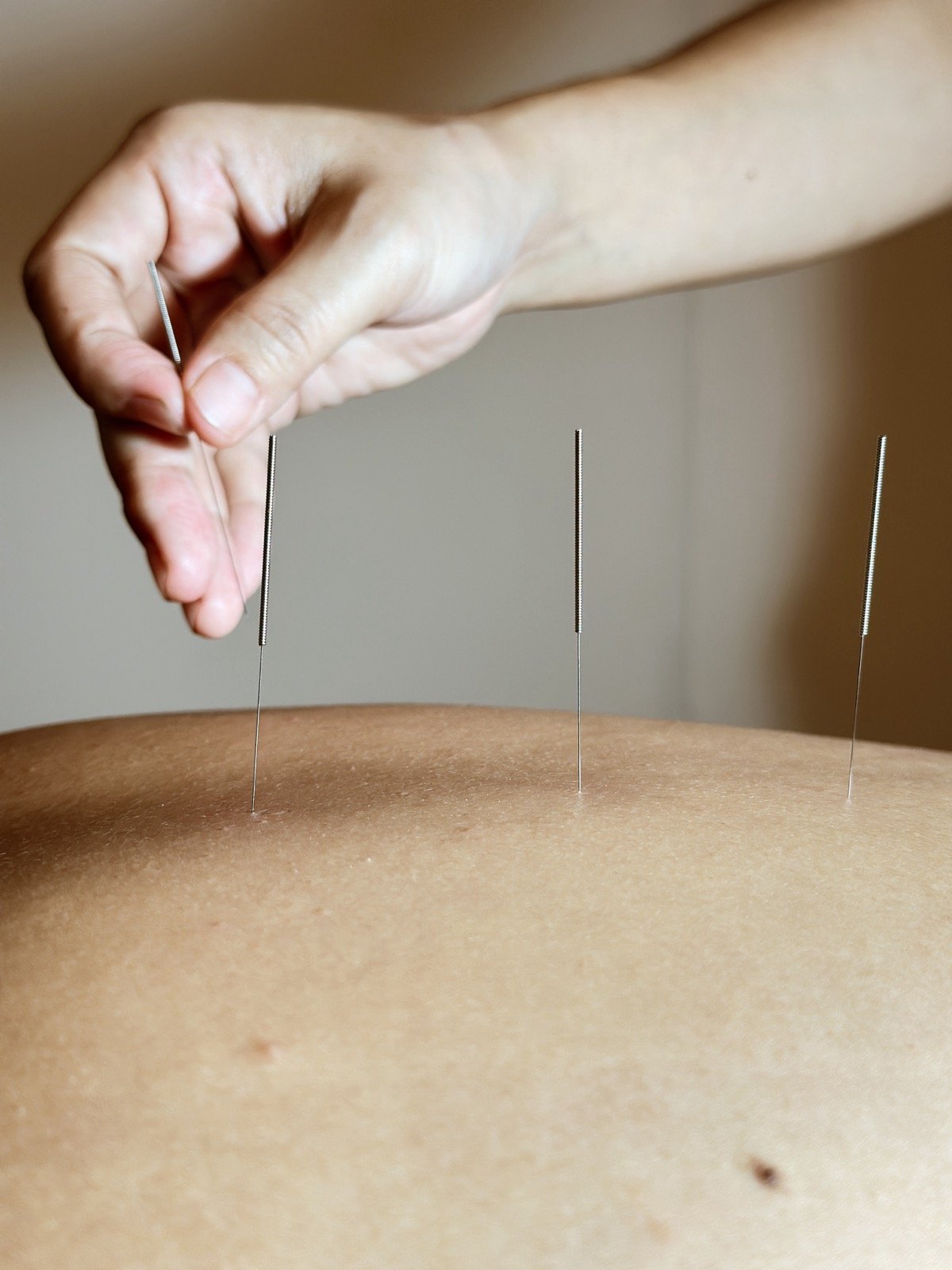
This is where most of the fear melts away. An acupuncture needle is about the thickness of a human hair. You could fit ten to fifteen of them inside the opening of a standard medical syringe needle. They are solid rather than hollow, which means they slide smoothly through the skin instead of cutting it. There is nothing to inject and nothing to draw out, so the needle does not need the width that makes medical needles uncomfortable.
Every needle we use at Piraluna is sterile, individually packaged, and single use. It is opened in front of you, used once, and disposed of immediately. If needle safety is part of what worries you, you can read more in our guide to whether acupuncture is safe.
What the Needles Actually Feel Like
When a needle is placed, most people notice one of the following.
- Nothing at all. Many points go in without the patient feeling a thing.
- A brief, light pinch. Similar to a mosquito landing on the skin, gone in under a second.
- A dull ache, heaviness, or warmth. This spreads gently around the point and settles quickly.
- A soft tingling that travels. Some people feel a sensation moving along a line away from the needle.
What you will not feel is sharp, lasting pain. If a point ever feels genuinely uncomfortable, you tell Claire and she adjusts or removes the needle straight away. You are in control the entire time, and nothing happens that you are not happy with.
What Is the De Qi Sensation?
That dull, heavy, slightly warm feeling has a name in Traditional Chinese Medicine. It is called de qi, pronounced "duh chee," and it loosely means the arrival of qi at the point. When a practitioner places a needle and the patient feels that gentle spreading ache, it tells us the point has been activated and the body is responding.
De qi is not pain. Patients describe it as a sense of fullness, a soft pulse, or a warmth radiating out from the spot. It usually lasts only a few seconds and then fades into the deep relaxation that acupuncture is known for. Claire trained at Chengdu University of TCM, where reading and working with de qi is a core part of the craft, and she will let you know when a point has reached it.
Reassurance for Nervous First Timers
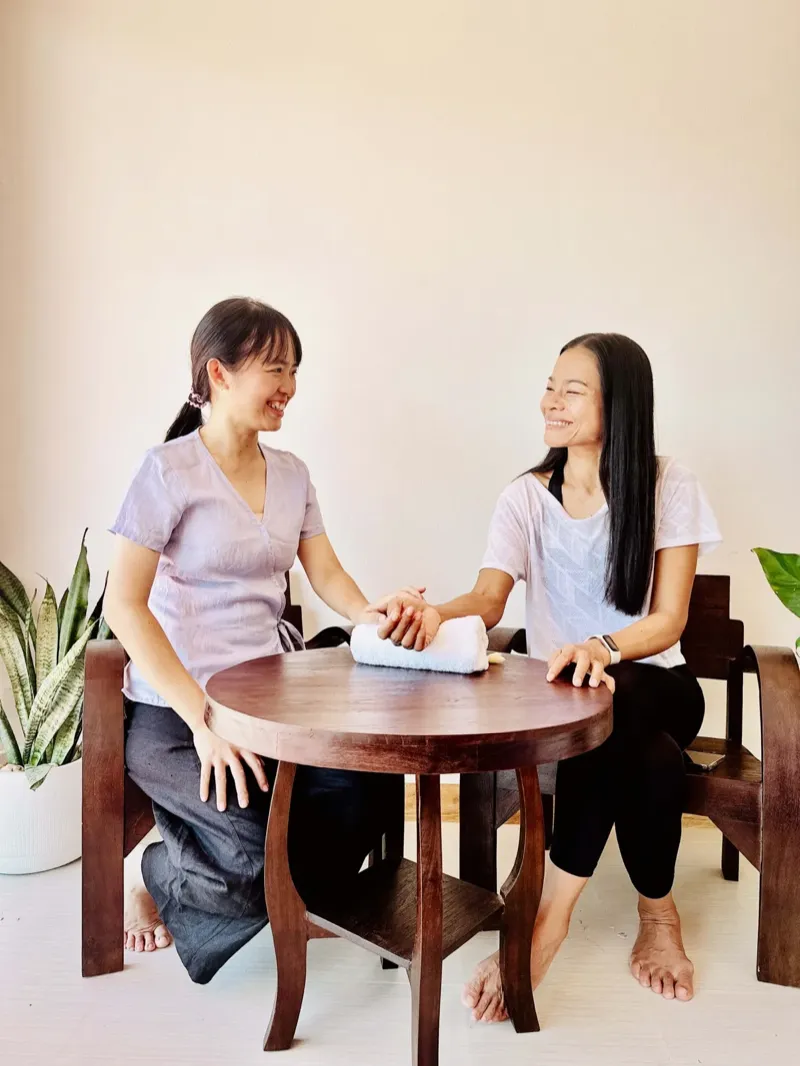
If you are anxious about needles, you are far from alone. A large share of the people who come to Piraluna are needle shy, and some have avoided trying acupuncture for years because of it. Here is what tends to help.
- You can go slowly. Claire can start with just a few points so you see how mild it feels before adding more.
- You can keep your eyes closed. Many people prefer not to watch, and the points are often in places you cannot see anyway.
- You stay in charge. Speak up at any moment and the treatment adapts to you.
- Eat something light first. Arriving fed rather than hungry helps you feel steady and calm on the table.
What a First Session at Piraluna Looks Like
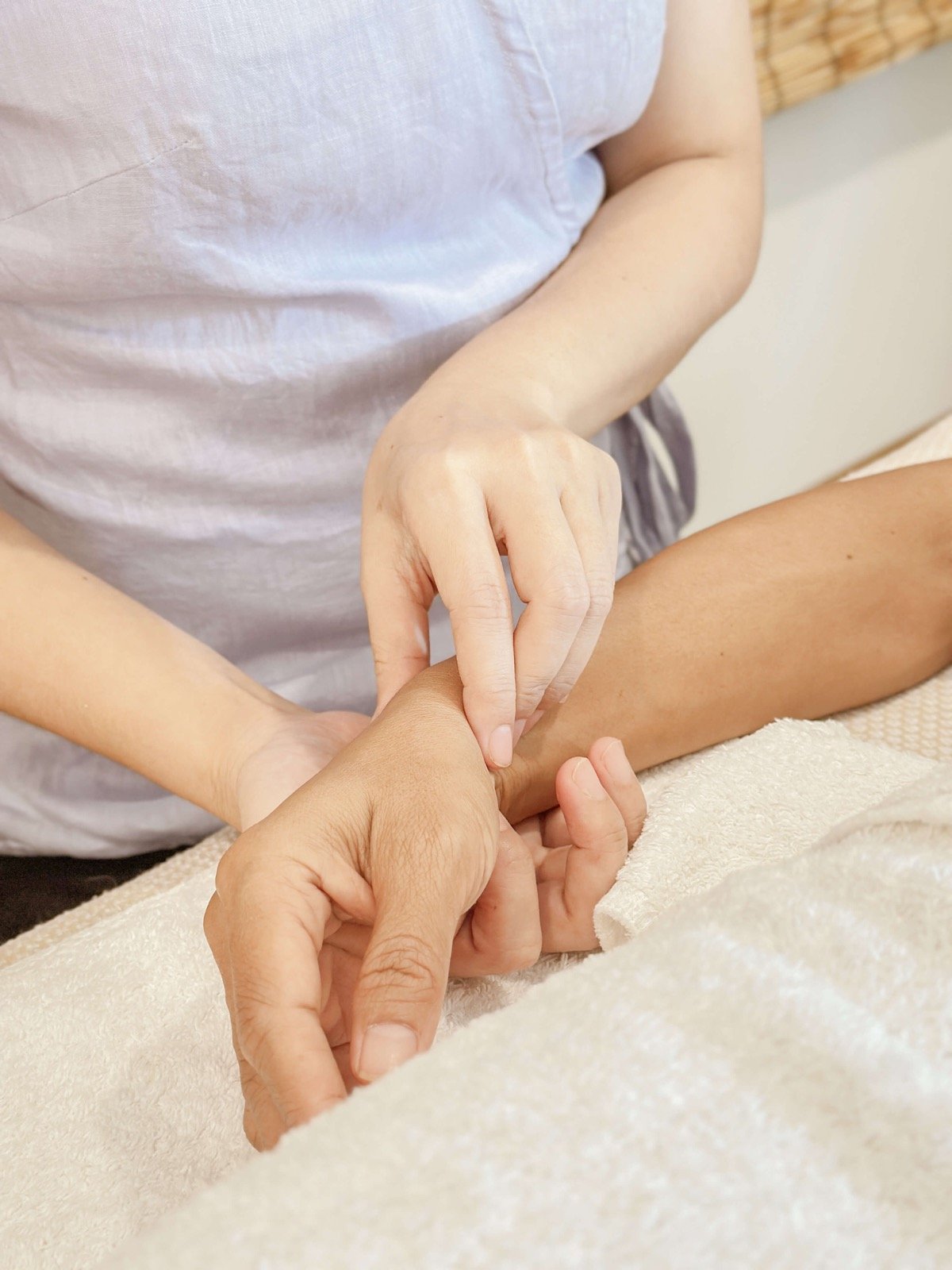
Your first visit begins with a conversation, not needles. Claire asks about your reason for coming, your sleep, your digestion, your stress, and your history, then checks your pulse and tongue to build a full picture in TCM terms. Only after that does treatment begin, and she explains each step before she takes it.
Typically eight to twenty fine needles are placed, and then you rest quietly for twenty to forty minutes while your nervous system settles. Claire stays close the whole time. If you would like a fuller walk through before you arrive, our guide to your first acupuncture session covers everything from what to wear to how you might feel afterward, and you can learn more about the treatment itself on our acupuncture page.
Ready to Find Out for Yourself?
The hardest part of acupuncture is usually the worry beforehand. Once people are on the table, most wonder why they waited so long. If gentle, honest care at your own pace sounds right, we would be glad to look after you. Book a session at Piraluna in Lamai, Koh Samui, and feel for yourself how little there really is to fear.