What Is the Difference Between Dry Needling and Acupuncture?
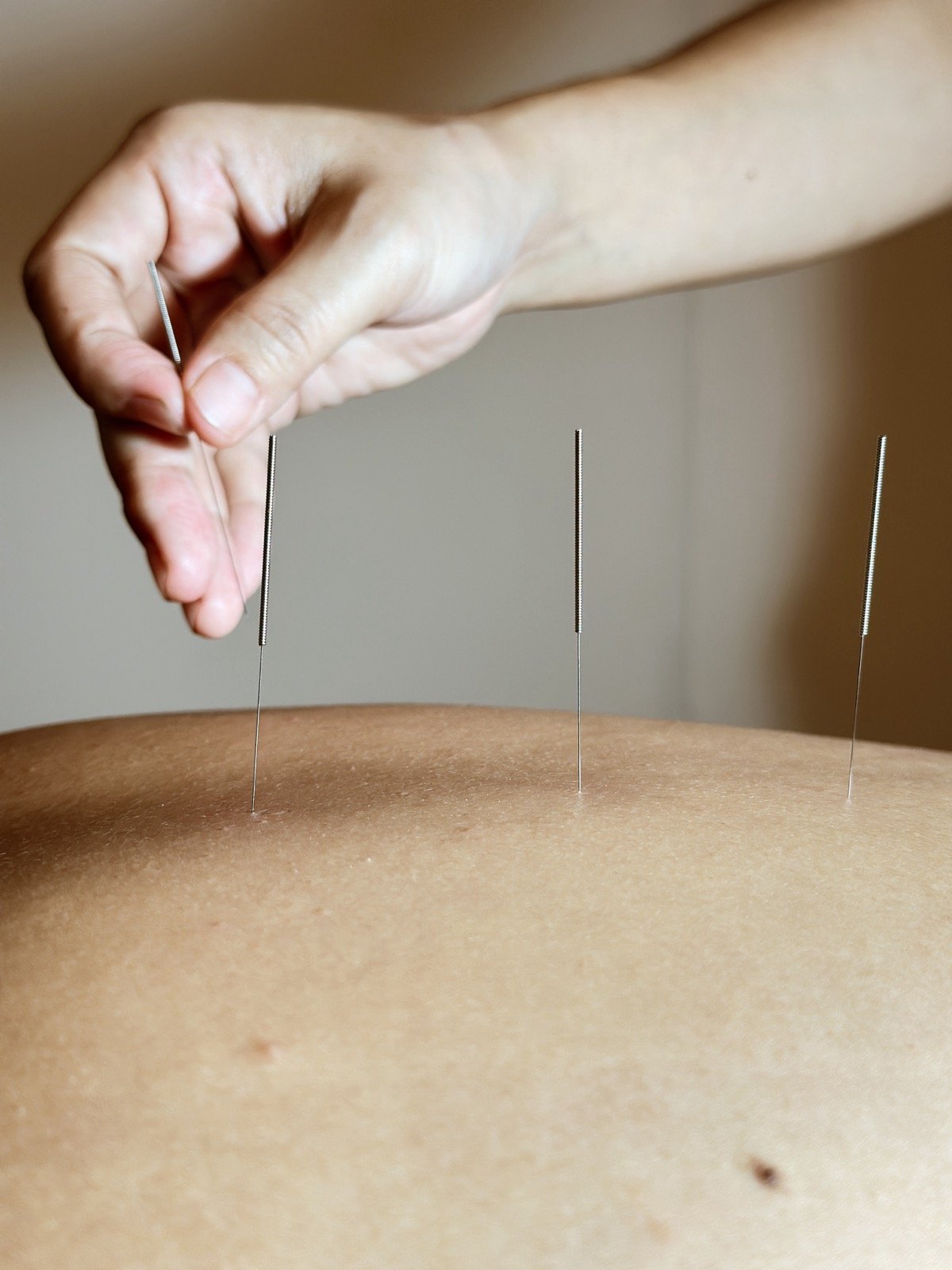
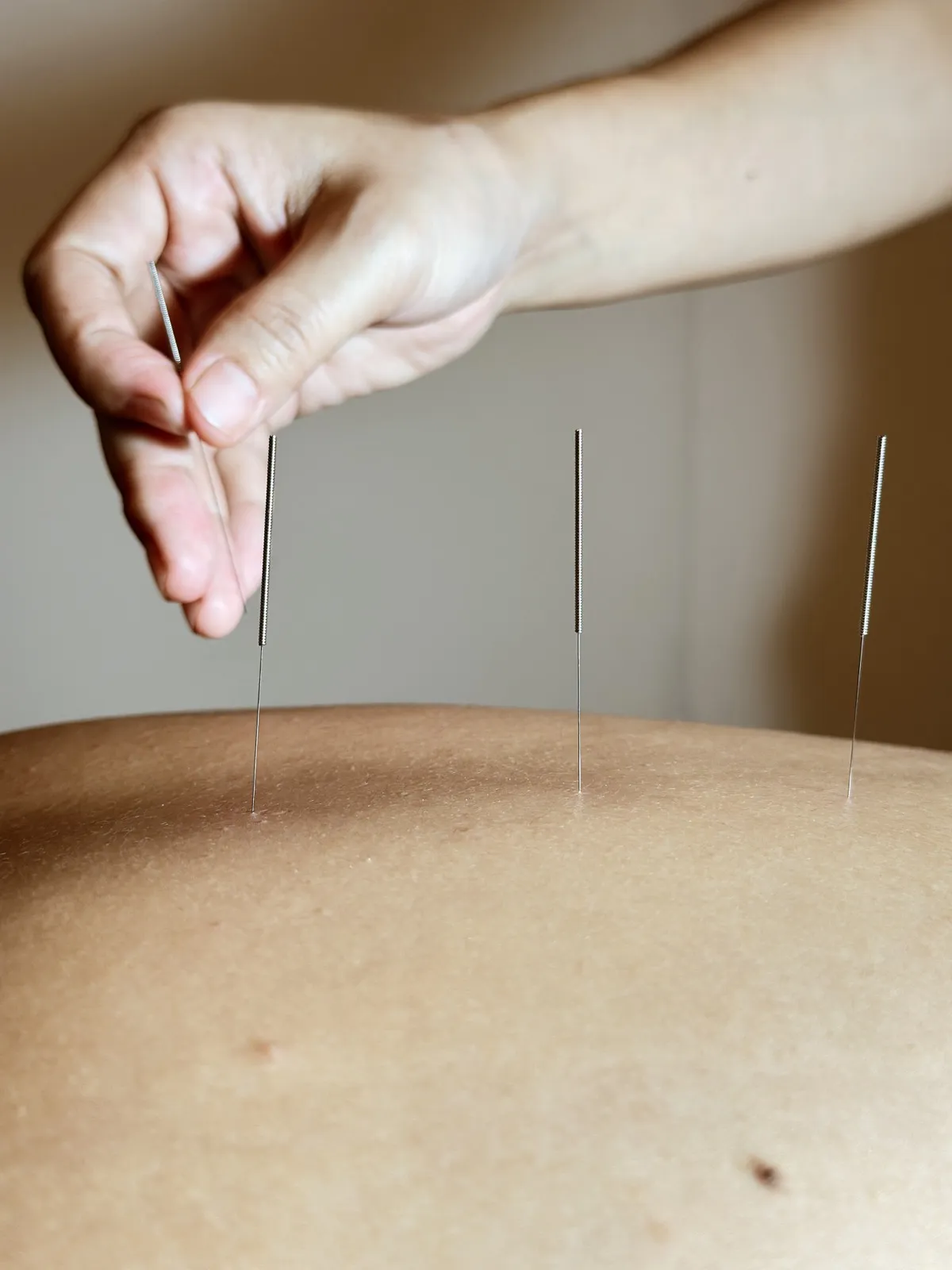
The short answer is that both use the same type of thin, solid, single use needle, but they come from different traditions and aim at different goals. Dry needling is a Western technique, usually practised by physiotherapists and other manual therapists, that targets tight muscle knots, called trigger points, to release tension and pain. Acupuncture is a complete medical system from Traditional Chinese Medicine that uses points across the whole body to influence circulation, the nervous system, and overall balance. Neither one is a watered down version of the other. They are distinct approaches that happen to share a tool, and at Piraluna we think it helps to understand both honestly rather than treating it as a contest.
This post lays out what each method is, how the training differs, and when each tends to be used, so you can make an informed choice.
What Dry Needling Is
Dry needling developed within Western musculoskeletal medicine over the last few decades. The name distinguishes it from a "wet" injection, since the needle delivers no fluid. The practitioner inserts the needle directly into a trigger point, a tight, tender band within a muscle, often aiming to provoke a brief twitch response that helps the muscle release.
Its focus is mostly local and mechanical. If you have a knotted shoulder, a stubborn calf, or tension around a joint, dry needling targets that exact spot. Many people find it effective for sports injuries and localised muscle pain. It is generally framed in the language of anatomy and the nervous system rather than meridians or energy, and it is most often offered as one part of a physiotherapy plan alongside exercise and manual therapy.
What Acupuncture Is
Acupuncture is far older and considerably broader. It is one branch of Traditional Chinese Medicine, a complete system that also includes moxibustion, herbal medicine, cupping, and dietary therapy. Rather than treating a single muscle in isolation, acupuncture works with a map of points across the whole body, chosen according to a diagnosis of the person's overall pattern.
That diagnosis is the part people often miss. Before any needle goes in, a trained acupuncturist reads your pulse, looks at your tongue, and asks about your sleep, digestion, energy, stress, and emotional state. The same complaint, say a sore lower back, might be treated quite differently in two people depending on what else is going on. Because of this whole body view, acupuncture is used not only for pain but also for sleep, stress, digestion, menstrual concerns, and general wellbeing. If you are curious about the experience itself, our walkthrough of what to expect at a first acupuncture session covers it step by step.
How the Training Differs
This is the difference that matters most, and it is worth being fair and precise about.
- Acupuncture training is long and specialised. A qualified acupuncturist typically completes several years of dedicated study covering point location, needle technique, TCM diagnosis, anatomy, contraindications, and clinical practice on real patients. Claire, for example, trained at Chengdu University of TCM and has more than five years of practice with over a thousand patients.
- Dry needling training is usually a shorter add on. It is most often taught as a continuing education course, sometimes spanning a number of weekends, to practitioners who already hold a primary qualification such as physiotherapy. The course concentrates on trigger point needling rather than a full medical system.
This is not a criticism of dry needling practitioners. A skilled physiotherapist using dry needling within their scope can genuinely help. The point is simply that the depth of training differs, and so do the goals. One is a focused technique layered onto an existing profession. The other is a complete medicine in its own right.
When Each One Tends to Be Used
In practice, the choice often comes down to what you are dealing with.
- A specific, recent muscle problem. If you have one tight, identifiable knot from overuse or a sports strain, and you are already working with a physiotherapist, dry needling may slot naturally into that rehabilitation plan.
- A complaint with a wider picture. If your pain comes with poor sleep, stress, fatigue, or has been present for a long time, acupuncture's whole body approach is built for exactly that kind of layered situation.
- Concerns beyond muscles. For sleep, anxiety, digestion, or menstrual issues, acupuncture is the relevant choice, as dry needling is not designed for these.
There is also genuine overlap. Acupuncture has long included a local needling approach often called "ashi" point treatment, where tender spots are needled directly, which is conceptually close to trigger point work. So the two methods are not as separate as the names suggest. A trained acupuncturist can treat a tight muscle locally and also address why it keeps tightening in the first place.
The Piraluna Approach
At Piraluna we practise acupuncture as part of full Traditional Chinese Medicine, which means every treatment starts with a proper assessment rather than a single technique applied to wherever it hurts. When local muscle tension is part of your picture, Claire can needle those points directly. When the cause runs deeper, she treats the wider pattern as well, and may combine acupuncture with moxibustion or cupping in the same session.
We are not here to dismiss dry needling. If a focused trigger point release within a physiotherapy programme is what your body needs, that is a reasonable path. What we offer is something broader, a complete system delivered by a practitioner trained over years rather than weekends. If you would like to understand the safety side of treatment first, our honest guide to whether acupuncture is safe is a good place to start. When you are ready to find out which approach fits your situation, book a session at Piraluna and we will talk it through with you.