What Is Cupping Therapy?
Cupping therapy is one of the oldest healing practices in the world. It has been used in China, the Middle East, Egypt, and Greece for thousands of years, and it remains one of the most popular and effective treatments in Traditional Chinese Medicine today.
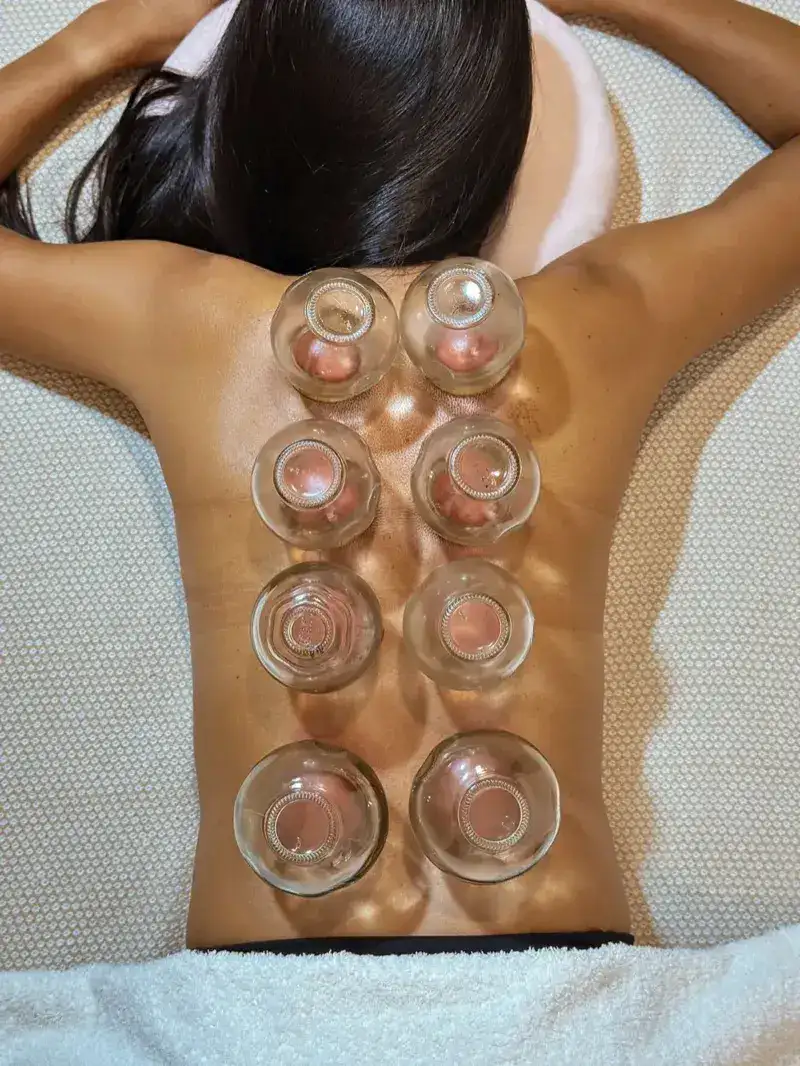
The concept is simple. A practitioner places cups on the skin and creates suction, either by heating the air inside the cup or by using a mechanical pump. This suction lifts the skin, fascia, and superficial muscle tissue upward into the cup, increasing blood flow to the area and releasing tension in the underlying tissue.
Think of it as the opposite of a massage. Instead of pressing down into the muscle, cupping pulls the tissue up and apart. This decompresses the layers of tissue, brings fresh blood into areas that may have become stagnant, and helps the body flush out metabolic waste products that accumulate in tight, overworked muscles.
The result is often immediate. Patients describe feeling looser, lighter, and more mobile right after a cupping session. Stubborn knots and areas of chronic tension that have resisted massage for months can soften significantly in a single treatment.
Fire Cupping vs. Modern Cupping
There are two main methods of cupping that you will encounter in TCM clinics: fire cupping and modern (pump) cupping.
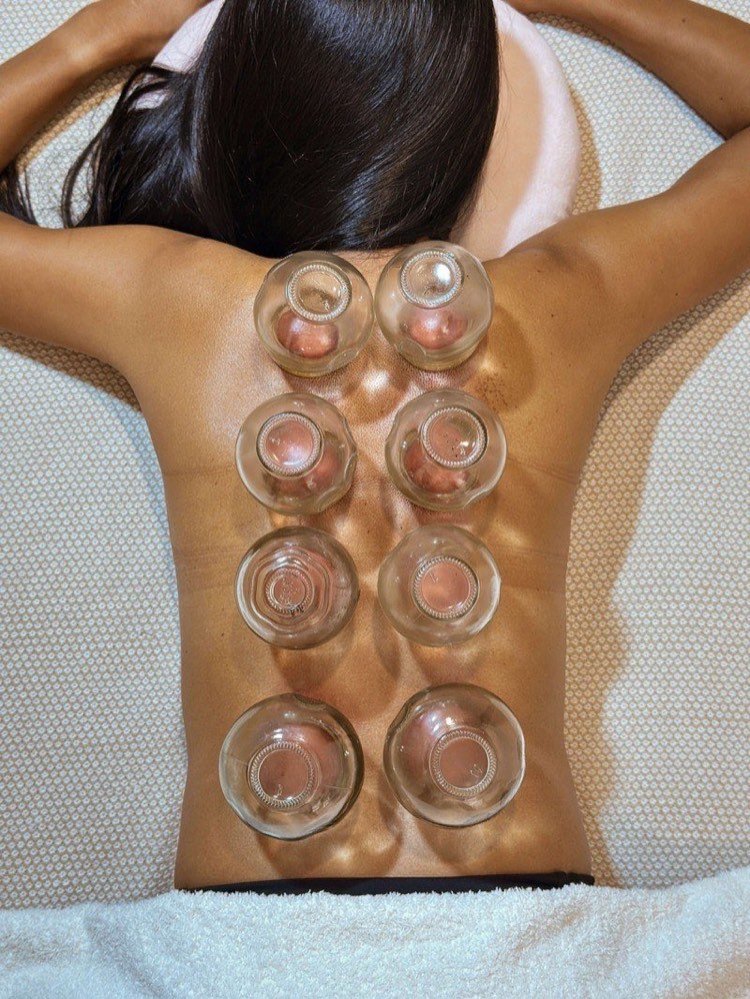
Fire cupping is the traditional method. The practitioner briefly holds a flame inside a glass cup to heat the air, then quickly places the cup on the skin. As the air inside the cup cools, it contracts and creates suction. Despite the name, the fire never touches the skin. The flame is only used to create the vacuum inside the cup. It is the same physics that makes a lid stick to a jar of hot jam as it cools.
Fire cupping is the method Claire uses at Piraluna. The glass cups provide consistent, even suction and allow the practitioner to see the skin's response in real time. Many patients find fire cupping more comfortable and effective than the pump method. There is also something undeniably satisfying about watching the traditional technique in action.
Modern pump cupping uses plastic cups with a valve on top. A hand pump is attached to the valve to create suction mechanically. This method gives the practitioner precise control over the level of suction and is commonly used in physiotherapy and sports medicine settings.
Both methods are effective. The choice between them often comes down to practitioner training and patient preference.
What Conditions Does Cupping Treat?
Cupping is remarkably versatile. At Piraluna, we use it most often for the following conditions.
Back and neck pain. This is the most common reason patients receive cupping at our clinic. The suction relieves tension in the trapezius, rhomboids, and erector spinae muscles that run along the spine. For chronic upper back tightness, cupping can provide relief that lasts well beyond the treatment session.
Shoulder tension. Combined with acupuncture, cupping on the upper shoulders and the area between the shoulder blades can dramatically reduce the hunched, locked up feeling that comes from desk work and phone use.
Muscle recovery after exercise. Athletes and active people use cupping to speed recovery, reduce soreness, and improve mobility. The increased blood flow helps flush lactic acid and bring nutrients to fatigued muscles. We use cupping extensively in our sports recovery treatments.
Respiratory issues. Cupping on the upper back can help loosen chest congestion and improve breathing. In TCM, this area corresponds to the lung meridian, and cupping here has been used for centuries to support respiratory health.
Stress and tension. The physical release of cupping often produces a profound sense of relaxation. Many patients report sleeping better on the night after a cupping session, even if they came in for a purely muscular complaint.
Headaches. Tension headaches that originate from tight neck and shoulder muscles often respond well to cupping on the upper back and base of the skull.
What Do the Marks Mean?
The circular marks left by cupping are probably the most recognizable feature of the treatment. You may have seen them on athletes, celebrities, or fellow travelers at the beach. Let us clear up what they actually mean.
The marks are not bruises. A bruise is caused by trauma that damages blood vessels. Cupping marks are caused by the suction drawing stagnant blood, metabolic waste, and cellular debris to the surface of the skin. They look dramatic, but they are not painful.
The color of the marks provides diagnostic information:
- Light pink or no mark at all suggests good circulation in that area. The tissue is healthy.
- Dark red indicates moderate stagnation. Blood flow has been sluggish in this area.
- Deep purple or very dark red suggests significant stagnation. This area has been holding tension and poor circulation for a while.
Most cupping marks fade within 3 to 7 days. With repeated treatments, the marks typically become lighter as circulation in the area improves. Many patients notice that areas that produced dark marks in their first session produce much lighter marks by the third or fourth session. This is a visible sign that the tissue is healing.
What a Cupping Session at Piraluna Looks Like
Cupping at Piraluna is usually done as part of a broader TCM treatment that includes acupuncture. Here is what you can expect.
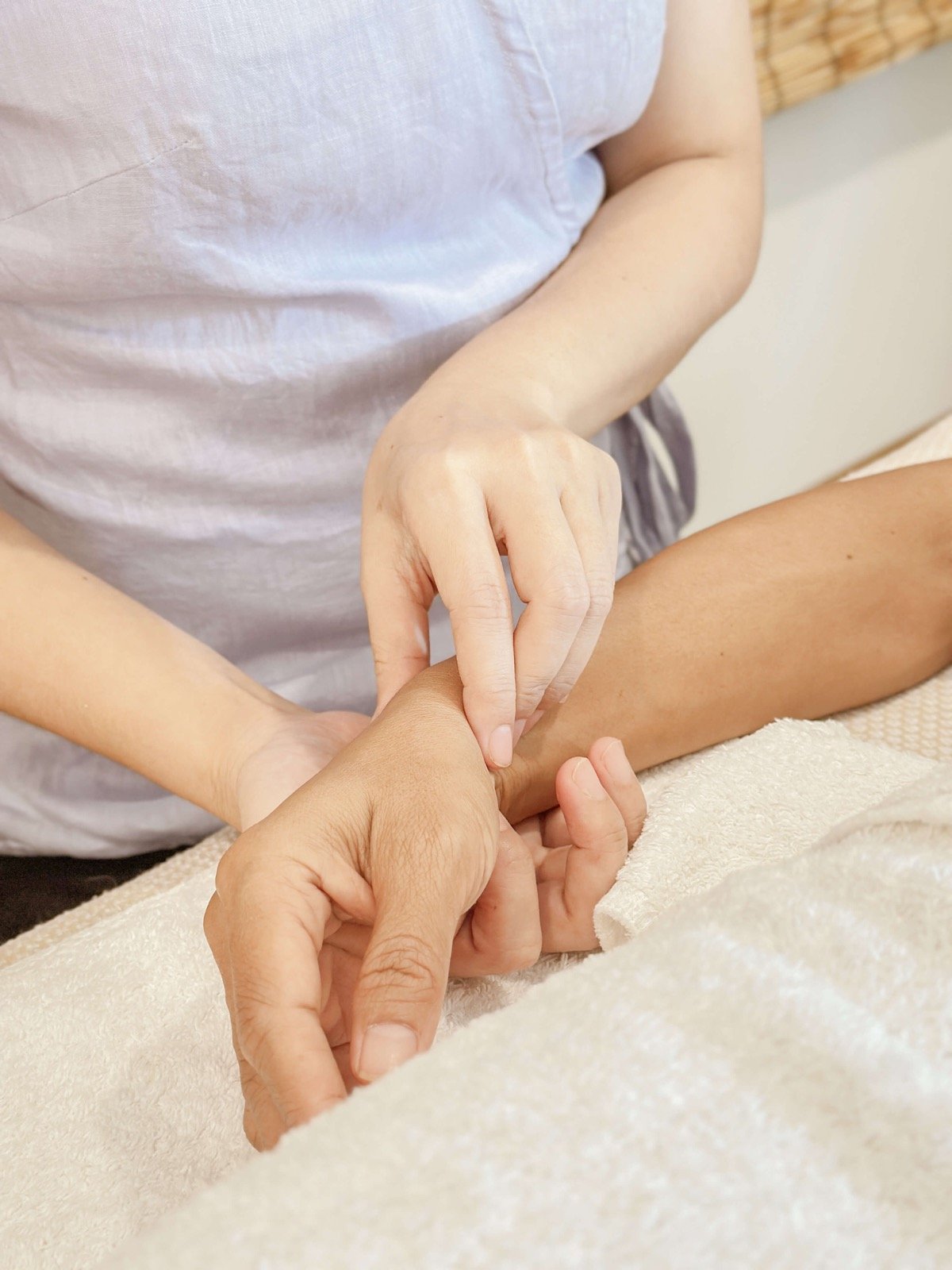
Claire will start by assessing the areas of tension. She will palpate your back and shoulders, looking for knots, tightness, and areas of restricted movement. Based on this assessment, she will decide where to place the cups and how many to use.
Before placing the cups, she will apply a thin layer of oil to the treatment area. This helps the cups seal properly and allows for a technique called sliding cupping, where the cup is moved along the muscle while maintaining suction. Sliding cupping feels like a deep tissue massage and is particularly effective for large muscle groups.
The cups are then placed and left in position for 5 to 15 minutes, depending on the area and your tolerance. You will feel a pulling sensation and a sense of pressure. It should feel strong but not painful. If any cup feels too intense, tell Claire and she will adjust the suction immediately.
After the cups are removed, you will likely feel warmth in the treated area, along with a noticeable reduction in tightness. Claire may then continue with acupuncture or other techniques as part of your overall treatment plan.
Who Should Avoid Cupping?
Cupping is safe for most people, but there are some situations where it should be avoided or modified.
- Sunburned or broken skin. Cups should not be placed over burns, rashes, open wounds, or inflamed skin.
- Blood thinning medication. If you take anticoagulants, let your practitioner know. Cupping may still be possible with lighter suction, but this needs to be assessed individually.
- Pregnancy. Cupping on the lower back and abdomen is avoided during pregnancy. Other areas may be treated with caution.
- Severe skin conditions. Conditions like eczema or psoriasis in the treatment area may be aggravated by cupping.
During your consultation, Claire will ask about your health history and any medications you take. If cupping is not appropriate for you, she will recommend alternative treatments.
Is Cupping Right for You?
If you are dealing with back pain, shoulder tension, muscle stiffness, or chronic stress that manifests as physical tightness, cupping may be exactly what you need. It works quickly, it pairs beautifully with acupuncture, and the effects are often felt immediately.
At Piraluna, Claire combines fire cupping with acupuncture and other TCM techniques to create treatments that address both the symptom and the underlying cause. Whether you are curious about cupping for the first time or you have been wanting to try it since you saw those circles on an Olympic swimmer's back, you are welcome here.
Book a session at Piraluna and experience what cupping therapy can do for your body.