The Conditions That Conventional Medicine Struggles to Name
If you have fibromyalgia or chronic fatigue syndrome (CFS, also called ME/CFS or myalgic encephalomyelitis), you likely already know what it feels like to be poorly served by the medical system. You have had tests come back normal. You have been told the pain is in your head, or that you are simply stressed, or that there is nothing more to be done. You have been handed a diagnosis that describes your symptoms but offers little in the way of a mechanism or a path forward.
This is not a failure of your experience. It is a failure of a diagnostic framework that is built around finding discrete, measurable abnormalities. Fibromyalgia and CFS produce real, disabling suffering. They are characterised by central sensitisation of the nervous system, dysregulation of the hypothalamic pituitary adrenal axis, altered immune signalling, and disrupted sleep architecture. These are measurable biological phenomena. The problem is that no single biomarker captures the full picture, and the conditions overlap so significantly that they are often diagnosed together.
Traditional Chinese Medicine was developed to address exactly this kind of complexity. It does not require a single abnormal test result to diagnose and treat. It looks at the whole pattern of your experience, the location and character of your pain, your energy levels at different times of day, the quality of your sleep, your digestive function, your emotional state, your sensitivity to temperature, and dozens of other signals that together describe what is happening in your system. That pattern becomes the basis of treatment.
How TCM Understands Fibromyalgia and CFS
In Traditional Chinese Medicine, fibromyalgia and CFS are not single entities with single causes. They are the visible expression of underlying imbalances that can take several different forms depending on the person. Understanding the most common patterns helps explain why TCM treatment is highly individualised and why what works well for one person may be calibrated differently for another.
The most common pattern in fibromyalgia is Liver qi stagnation with blood deficiency. The Liver in TCM governs the smooth flow of qi through the body and stores blood that nourishes muscles and tendons. This is the same pattern that drives much of the chronic stress and anxiety we treat at the clinic. When the Liver system is under stress, physical or emotional, qi flow becomes erratic. Pain arises where qi is stuck. Because the Liver also nourishes the nervous system and governs emotional regulation, people with this pattern often experience the pain as migratory or fluctuating, with significant sensitivity to stress, temperature change, and touch. Sleep is usually disturbed, and exhaustion compounds the pain.
Chronic fatigue syndrome more commonly involves Kidney and Spleen deficiency. The Kidney system in TCM is the root of constitutional energy, what is sometimes called jing or essence. It governs the adrenal function, bone marrow, and the deep reserves that sustain prolonged effort. The Spleen governs digestion and the transformation of food into the energy the body uses moment to moment. When both systems are depleted, the result is exhaustion that sleep does not resolve, brain fog, muscle weakness, and a general sense that the body cannot generate the vitality it needs. Cold intolerance, frequent urination, low libido, and hair loss are common companions.
A third pattern, common to both conditions, involves dampness and phlegm obstructing the channels. In TCM, dampness arises when the digestive system cannot properly process and transform fluids, leaving a kind of heaviness that settles in the muscles and joints. People with this pattern describe their pain as deep, aching, and heavy rather than sharp, their fatigue as feeling waterlogged, and their cognition as foggy or slowed. Digestive symptoms like bloating, loose stools, and food sensitivities are frequent features.
Most people with fibromyalgia or CFS present with a combination of these patterns rather than a single pure type. That is why a thorough intake assessment is essential before any treatment begins.
What the Research Shows
The research base for acupuncture in fibromyalgia has grown substantially over the past decade. A 2019 Cochrane-adjacent systematic review of randomised controlled trials found that acupuncture significantly reduced pain intensity and improved physical function compared to sham acupuncture and pharmacological controls. The effect sizes were clinically meaningful, not marginal. Importantly, acupuncture showed fewer adverse effects than the medications typically prescribed for fibromyalgia, which include anticonvulsants, antidepressants, and muscle relaxants, all of which carry significant side effect burdens.
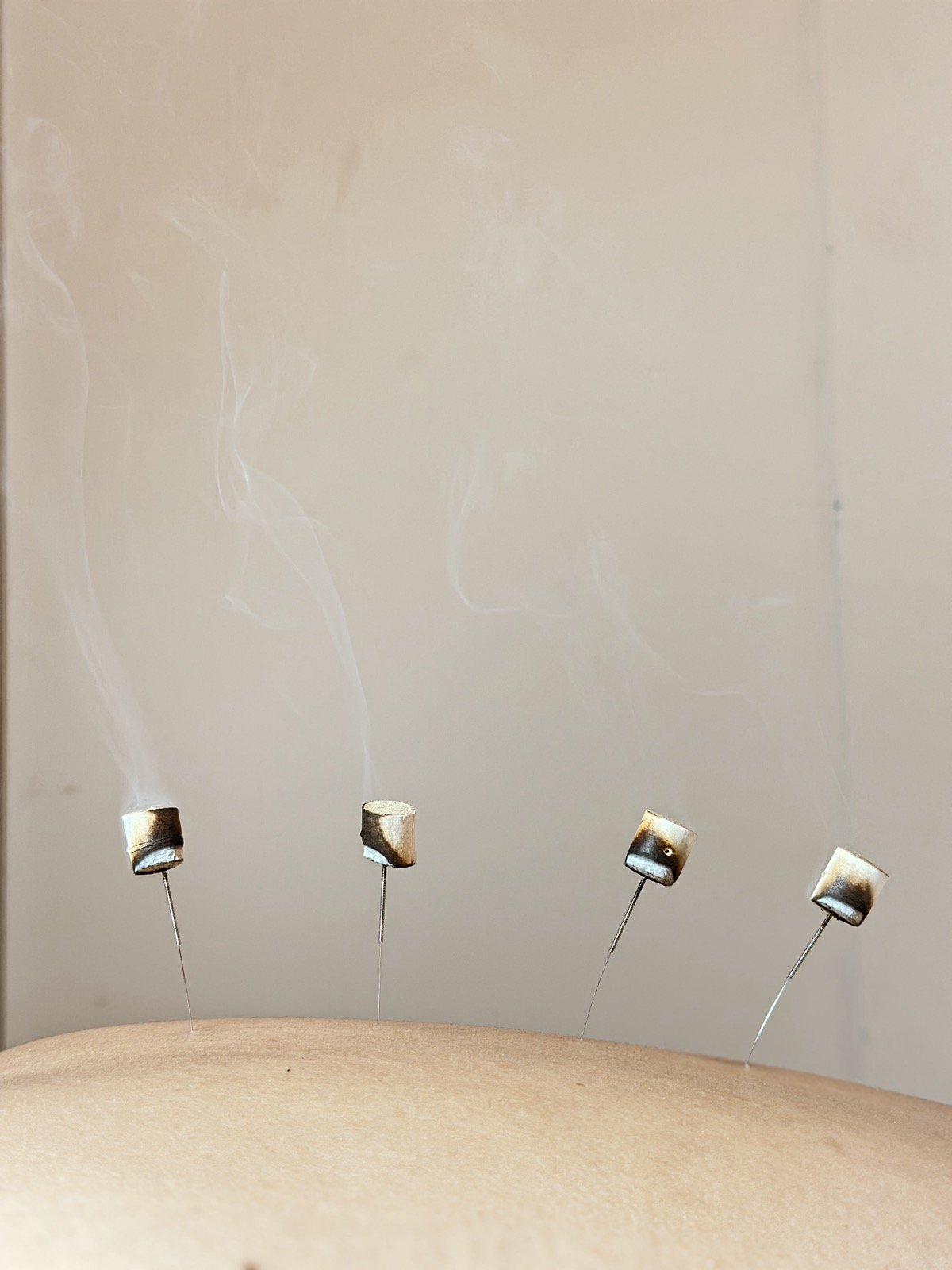
For CFS, the evidence base is smaller because the condition is harder to study uniformly, but the existing trials are encouraging. A 2017 meta analysis of acupuncture for CFS found significant improvements in fatigue scores, with several trials demonstrating improvements in sleep quality, physical capacity, and quality of life. Moxibustion, the therapeutic burning of dried mugwort near acupuncture points, has also shown promise in CFS research, particularly for the deep fatigue and cold sensitivity that characterise Kidney deficiency patterns.
The mechanistic evidence is perhaps more revealing than the trial data alone. Acupuncture has been shown to modulate the hypothalamic pituitary adrenal axis, precisely the system that is dysregulated in both fibromyalgia and CFS. It reduces levels of substance P, a neurotransmitter that is chronically elevated in fibromyalgia and contributes to the central sensitisation that amplifies pain signals. It normalises serotonin and dopamine activity, which affects both mood and pain perception. And it reduces inflammatory cytokines while supporting the resolution of the low grade, chronic inflammation that underlies these conditions.
What Treatment Looks Like in Practice
For someone with fibromyalgia or CFS, the first session at Piraluna begins with a thorough assessment that is longer than a standard intake. Claire will spend time understanding the full pattern of your experience: where the pain is located and how it moves, what time of day your energy is worst, how your sleep architecture feels (trouble falling asleep is different from waking at 2am and being unable to return to sleep, which is different again from sleeping ten hours and waking unrefreshed), what your digestive function is like, and what preceded the onset of your symptoms. Viral illness, severe stress, trauma, overtraining, pregnancy, and major surgery are among the common triggers, and the origin matters because it shapes the treatment approach.
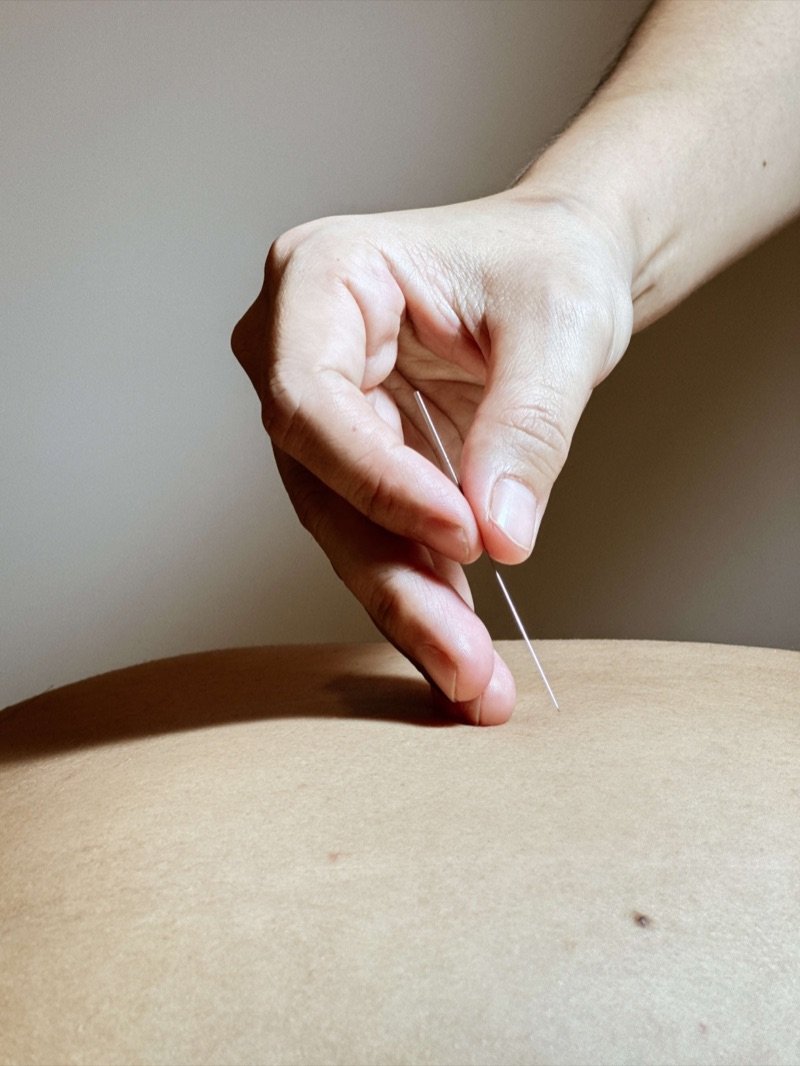
Needles are placed at a selection of points chosen for your specific pattern. For Liver qi stagnation with blood deficiency, points along the Liver and Pericardium meridians are often combined with nourishing points that build blood and calm the spirit. For Kidney and Spleen deficiency, points that tonify the root energy, support digestion, and build yang warmth form the core of the protocol. For dampness, points that move fluids and support the transformative function of the digestive system take priority.
Moxibustion is frequently incorporated for people with significant fatigue, cold sensitivity, or a deficiency pattern. The warmth of moxa penetrates deeply into the points, tonifying in a way that needles alone cannot fully achieve. If you have been told you are always cold, sleep under heavy covers regardless of temperature, and feel worse in winter or cold air conditioning, moxa will likely be part of your treatment.
Cupping may be used selectively depending on your presentation. For fibromyalgia patients with significant muscle tension and fascial restriction, gentle cupping can provide relief without overstimulating a sensitised nervous system. It is applied carefully, with lighter suction than would be used for a straightforward sports injury, because the goal is to gently open channels and increase circulation without triggering a flare.
How Quickly Will You Notice a Difference?
This is the most important expectation to set correctly. For conditions that have been present for months or years, significant change takes time. Fibromyalgia and CFS develop over long periods of depletion, dysregulation, and nervous system adaptation. Reversing that pattern requires sustained treatment, not a single session miracle.
Most patients notice some change in the first two to three sessions: better sleep is often the first improvement, followed by reduced intensity of the worst pain episodes, and then slowly improving energy levels. Full remission, where it is achievable, typically takes months of regular treatment. The trajectory is not linear. There will be weeks that feel like regression, particularly if life stress is high or if an infection disrupts the system. This is normal and does not mean the treatment has stopped working.
What distinguishes TCM from many conventional interventions for these conditions is that the improvements tend to compound rather than plateau. Each session builds on the previous one, and patients who commit to a regular course of treatment usually find that they need to come less frequently over time as the underlying patterns stabilise.
A realistic initial plan might look like one or two sessions per week for the first four to six weeks, then weekly, then fortnightly as symptoms improve. Periodic maintenance sessions help prevent relapse when life gets demanding.
What You Can Do Between Sessions
Treatment outcomes improve significantly when supported by habits that reinforce the work being done in the clinic. The following are commonly recommended for fibromyalgia and CFS patients.
- Regulate your sleep schedule rigorously. Going to bed and waking at the same time every day stabilises cortisol rhythms and supports the nervous system regulation that acupuncture is also working toward. Irregular sleep patterns undermine treatment progress. This is discussed in more depth in the post on acupuncture for better sleep.
- Pace your activity deliberately. The boom and bust cycle, pushing hard on better days and crashing afterward, is one of the most common patterns that perpetuates CFS. Staying below your energy ceiling consistently produces more cumulative improvement than alternating between overexertion and collapse.
- Eat warm, cooked foods. In TCM, raw and cold foods burden the Spleen and produce dampness. Warm, easy to digest meals support the digestive function that is often compromised in both fibromyalgia and CFS. Soups, stews, and cooked grains are preferred over salads and cold smoothies, particularly in the morning.
- Protect yourself from cold and damp environments. Air conditioning at full strength, cold water immersion, and prolonged exposure to damp weather can all aggravate deficiency and dampness patterns. In Koh Samui's climate, air conditioning is often the main culprit.
- Address the nervous system directly. Gentle breathwork, restorative yoga (not power yoga), and reduced screen time in the evenings all support the autonomic nervous system regulation that both conditions disrupt. These complement the acupuncture rather than replacing it.
Why Koh Samui Can Be Part of the Healing Environment
People with fibromyalgia and CFS often find that their symptoms are significantly affected by their environment. Cold, damp climates, high stress workplaces, and disrupted routines all tend to worsen both conditions. Many patients describe notable improvement when they travel to warm climates, slow down, sleep more, and remove themselves temporarily from the pressures of their normal lives.
Koh Samui's warm climate, slower pace, and access to natural environments can support the healing process in ways that are genuinely therapeutic, not just pleasant. If you are visiting for an extended stay or considering longer term living on the island, the combination of regular acupuncture treatment and a slower, warmer lifestyle can accelerate improvement more than either alone.
Claire works with a small number of patients at a time and is able to adjust treatment plans as your condition evolves across a course of treatment. If you are planning to be in Koh Samui for several weeks and want to use that time for intensive treatment, that is a conversation worth having before you arrive.
Is Acupuncture Right for Your Situation?
Acupuncture is not a cure for every case of fibromyalgia or CFS, and Claire will not tell you otherwise. Some people respond dramatically. Others improve partially but maintain better function than they had before. A small number do not experience significant benefit, typically those with the longest histories and the most severe depletion who would need more intensive support than weekly acupuncture alone can provide.
What acupuncture does consistently, across most people who commit to a course of treatment, is reduce pain intensity, improve sleep quality, and slowly restore the energy reserves that these conditions deplete. These improvements are meaningful even when full remission is not achieved, because they shift the baseline from which you live your daily life.
If you have tried conventional approaches without adequate relief, or if you are looking to reduce your reliance on medications with significant side effect profiles, acupuncture is a reasonable next step with a sound evidence base and a low risk profile.
Book a session and mention fibromyalgia or chronic fatigue when you book so Claire can allocate the extra time needed for your initial assessment. Or if you want to ask questions about whether your specific situation is something she has experience treating, reach out via the contact page or WhatsApp first.
Can acupuncture help fibromyalgia?
Yes. Multiple systematic reviews have found that acupuncture significantly reduces pain intensity and improves physical function in fibromyalgia compared to sham acupuncture and standard pharmacological treatment. The mechanism involves reducing substance P (a pain neurotransmitter chronically elevated in fibromyalgia), modulating the hypothalamic pituitary adrenal axis, and downregulating central sensitisation of the nervous system. Most patients require a course of six to twelve sessions before the full benefit is apparent, as fibromyalgia patterns typically take time to stabilise.
Does acupuncture work for chronic fatigue syndrome?
Research trials on acupuncture for chronic fatigue syndrome (ME/CFS) show significant improvements in fatigue scores, sleep quality, and quality of life compared to control groups. TCM combines acupuncture with moxibustion for CFS, which is particularly effective for the deep fatigue, cold sensitivity, and adrenal depletion that characterise this condition. Results develop gradually over a sustained course of treatment and tend to compound over time. CFS requires a gentle, paced approach because the nervous system is sensitised and the energy reserves are fragile.