Acupuncture for Sciatica: Effective Pain Relief Without Medication
That Lightning Bolt Down Your Leg
You know it the moment it hits. A sharp, burning pain that shoots from your lower back through your buttock and down the back of your leg. Sometimes it stops at the knee. Sometimes it runs all the way to your foot. It might be a constant ache or an electric shock that fires when you bend, sit, cough, or sneeze. This is sciatica, and if you are dealing with it right now, you already know how much it can take over your life.
Sciatica is not a diagnosis in itself but a description of symptoms caused by irritation or compression of the sciatic nerve, the longest and thickest nerve in the body. It runs from the lower spine through the pelvis, down through the buttock, and along the back of each leg. When something presses on or inflames this nerve, the pain can be intense, and sitting, standing, walking, and sleeping all become difficult.
Acupuncture for sciatica is one of the most effective natural treatments available. It addresses both the pain and the underlying conditions that created the nerve irritation in the first place.
What Causes Sciatica
Understanding what is actually causing your sciatica matters because it determines the best treatment approach.
Disc herniation is the most common cause. When one of the cushioning discs between the vertebrae in the lower spine bulges or ruptures, the displaced material can press directly on the sciatic nerve root. This typically happens at the L4 L5 or L5 S1 levels and often results from a combination of prolonged sitting, repetitive bending, and weakened core muscles.
Piriformis syndrome occurs when the piriformis muscle, which sits deep in the buttock directly over the sciatic nerve, becomes tight or spasms. When this muscle contracts, it can compress the nerve and produce symptoms identical to disc related sciatica. This is more common in people who sit for long periods, runners, and those who carry tension in their hips.
Spinal stenosis involves a narrowing of the spinal canal that puts pressure on the nerve roots. This is more common in older patients and tends to produce symptoms that worsen with walking and improve with sitting or bending forward.
Degenerative changes in the spine, including bone spurs and facet joint arthritis, can gradually encroach on the space available for the nerve roots.
For many patients, especially travelers and digital nomads who visit Piraluna, the cause is a combination of prolonged sitting during flights and at laptops, deconditioning from irregular exercise, and accumulated muscular tension in the lower back, hips, and glutes.
How TCM Views Sciatica
Traditional Chinese Medicine categorizes sciatica as a form of Bi syndrome, which translates roughly as "painful obstruction." The pain occurs because the flow of qi and blood through the affected channels has been blocked. TCM identifies several patterns that can produce this blockage.
Cold damp obstruction is characterized by a heavy, dull ache that worsens in cold or damp weather and improves with warmth. The pain tends to be constant rather than sharp. This pattern is common in tropical climates where air conditioning creates repeated exposure to cold while the external environment is humid.
Damp heat obstruction produces more acute, burning pain with possible swelling and inflammation. The area may feel hot to the touch. This pattern often corresponds to acute disc herniation with active inflammation.
Blood stasis produces fixed, stabbing pain that is worse at night and does not respond to changes in position. This pattern often develops after injury or surgery, or when an acute condition becomes chronic.
Kidney deficiency is the root pattern behind many chronic sciatica cases. When the Kidneys are depleted, the lower back and legs lack the structural support and nourishment they need. The result is recurring episodes of sciatica, chronic weakness in the lower back, and slow recovery from flare ups.
The channel most commonly involved in sciatica is the Gallbladder channel, which runs along the lateral aspect of the leg and closely follows the path of the sciatic nerve. The Bladder channel, running down the back of the leg, is also frequently affected.
How Acupuncture Treats Sciatica
Acupuncture works through multiple mechanisms that are directly relevant to sciatica.
Pain modulation. Acupuncture stimulates the release of endorphins and enkephalins, the body's natural pain relieving chemicals. It also activates descending pain inhibitory pathways in the spinal cord, effectively turning down the volume on pain signals traveling from the sciatic nerve to the brain.
Inflammation reduction. Acupuncture reduces local and systemic inflammation by modulating inflammatory cytokines. For sciatica caused by disc herniation, reducing inflammation around the nerve root can significantly decrease pain and allow healing to proceed.
Muscle relaxation. When the muscles around the lower back, pelvis, and hip are in spasm (which they almost always are with sciatica, as the body tries to protect the area), acupuncture releases this guarding. This is particularly important in piriformis syndrome, where muscular tension is the primary cause of nerve compression.
Nerve function. Acupuncture has been shown to promote nerve regeneration and improve nerve conduction velocity. For sciatica involving numbness or weakness in the leg, this is an important mechanism that supports recovery beyond just pain relief.
Blood flow. By increasing local blood circulation, acupuncture delivers oxygen and nutrients to damaged tissues and removes inflammatory waste products. Improved blood flow to a herniated disc area supports the natural resorption process by which the body gradually breaks down disc material.
What the Research Shows
A systematic review and meta analysis published in the journal Evidence Based Complementary and Alternative Medicine, examining 30 randomized controlled trials, concluded that acupuncture is more effective than conventional treatment (medication and physical therapy) for sciatica. The review found significant improvements in pain scores, functional disability, and overall response rates.
Research published in the Annals of Internal Medicine compared acupuncture to simulated acupuncture and to standard care for chronic low back pain with sciatica and found that acupuncture produced significantly greater improvement in both pain and function.
A study in the Journal of Traditional Chinese Medicine demonstrated that acupuncture combined with herbal medicine produced an overall effective rate of 95 percent for piriformis syndrome, with most patients experiencing significant relief within two weeks.
The National Institute for Health and Care Excellence (NICE) in the UK and the World Health Organization both recognize acupuncture as a treatment for sciatica and low back pain.
What Treatment at Piraluna Looks Like
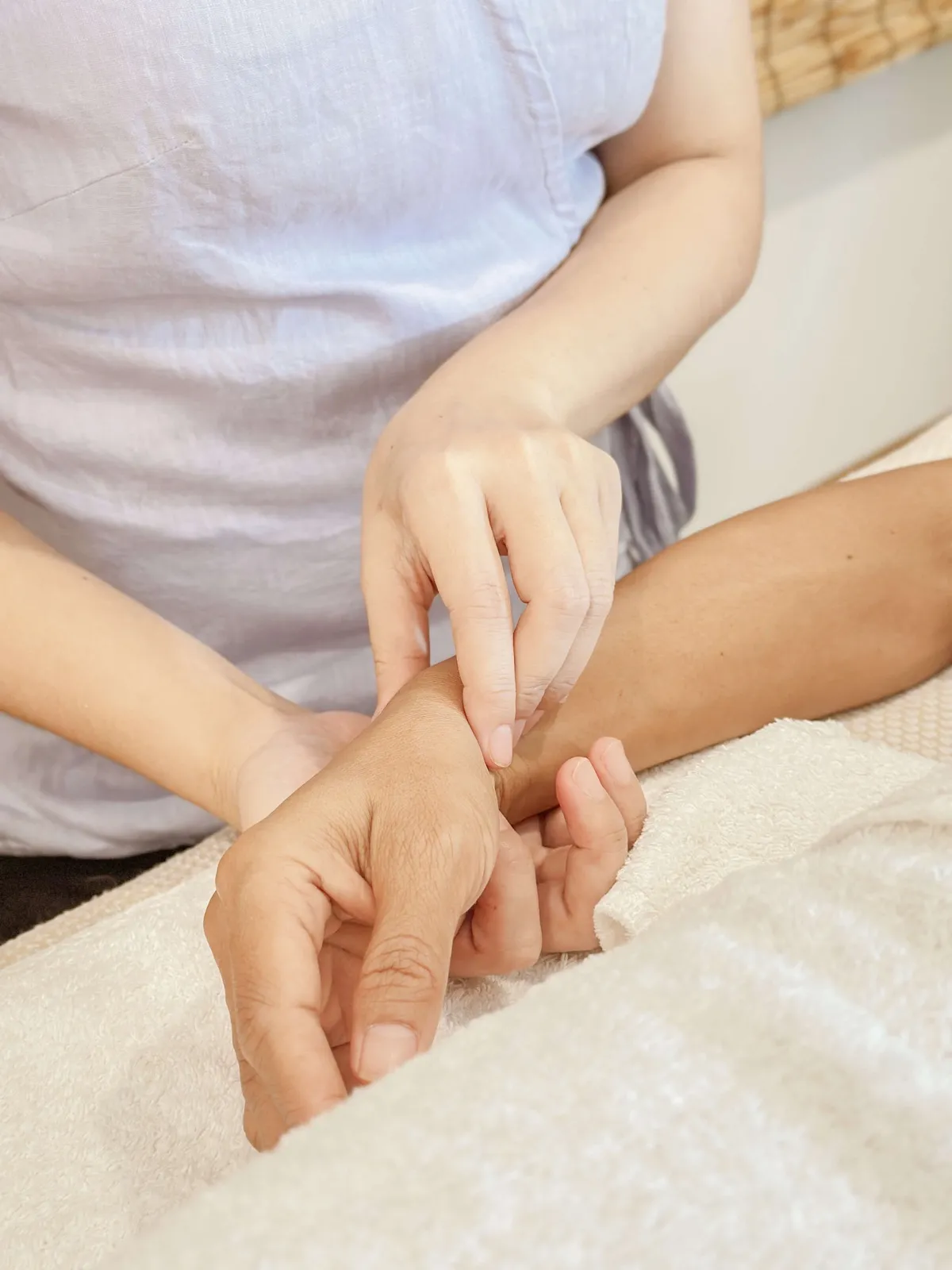
When you come to Piraluna with sciatica, Claire begins with a thorough assessment. She will ask about the location and nature of your pain, what triggers or relieves it, how long you have had it, and whether you have any numbness, tingling, or weakness. She will also examine your range of motion, identify specific trigger points, and perform pulse and tongue diagnosis to determine your TCM pattern.
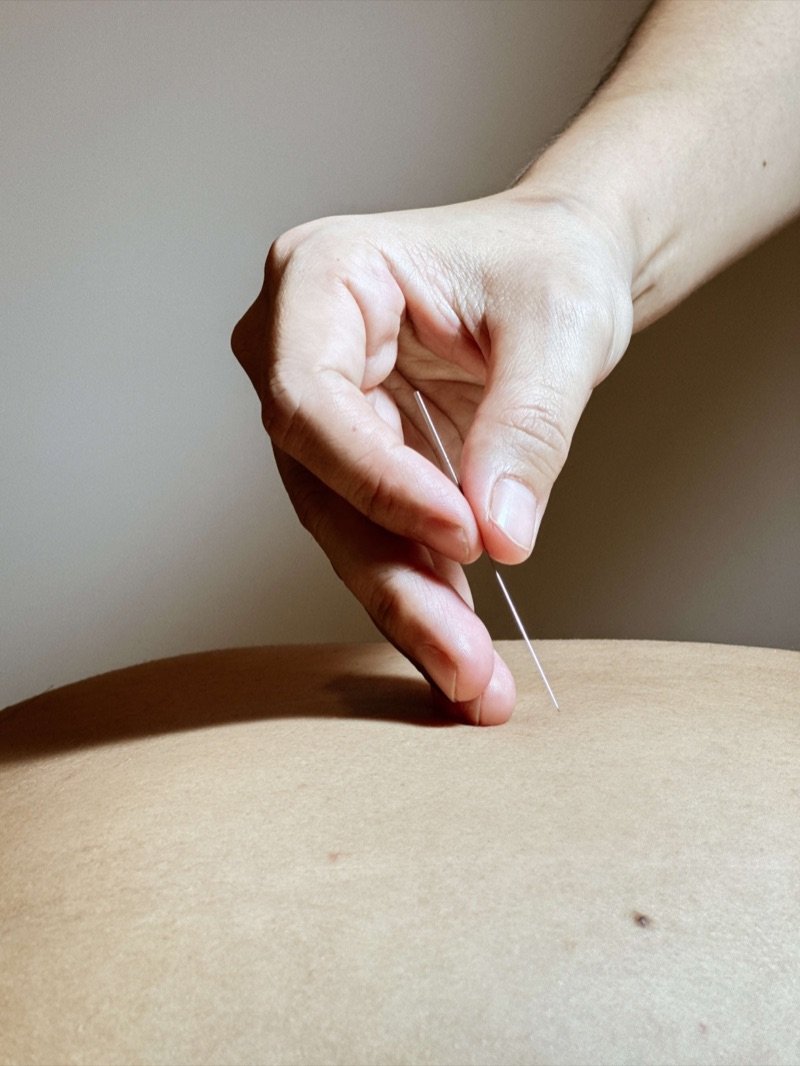
Treatment typically combines several approaches. Acupuncture points along the Gallbladder and Bladder channels are selected based on the specific pathway of your pain. Local points in the lower back and buttock address the source of nerve compression, while distal points on the hand, foot, and lower leg help regulate pain signaling and reduce inflammation along the entire nerve pathway.
Cupping therapy is frequently added for sciatica, particularly along the lower back and over the piriformis muscle. The suction draws blood flow to the area, releases deep fascial adhesions, and reduces muscular spasm. For cold damp patterns, moxibustion (the warming of acupuncture points with dried mugwort) is used to drive out cold and improve circulation.
For acute sciatica, Claire typically recommends two to three sessions per week for the first one to two weeks, then tapering to once or twice weekly as pain improves. Most patients experience significant relief within four to six sessions. Chronic sciatica that has persisted for months or years may require a longer treatment course of eight to twelve sessions.
What You Can Do Between Sessions
Your daily habits have a significant impact on sciatica recovery. Here are the most important things you can do between treatments.
- Avoid prolonged sitting. This is the single most aggravating factor for most sciatica patients. If you work at a desk, stand up and move every 30 minutes. Use a timer if you need to. When you do sit, ensure your hips are slightly higher than your knees and your lower back is supported.
- Gentle movement. Complete rest makes sciatica worse, not better. Gentle walking, swimming, and specific stretches keep the muscles from tightening further and maintain blood flow to the area. Avoid high impact activities, heavy lifting, and deep forward bending during the acute phase.
- Piriformis stretch. Lie on your back with both knees bent. Cross the affected leg over the other knee, then gently pull the bottom knee toward your chest until you feel a stretch deep in the buttock. Hold for 30 seconds, three times daily. This stretch directly addresses piriformis related nerve compression.
- Apply warmth. Unless your sciatica involves active inflammation (red, hot, swollen), applying a warm compress or hot water bottle to the lower back and buttock for 15 to 20 minutes promotes blood flow and muscle relaxation. In TCM terms, warmth dispels the cold and damp that block the channels.
- Sleep position. Sleep on your side with a pillow between your knees to keep your pelvis aligned. If you sleep on your back, place a pillow under your knees to reduce pressure on the lower spine.
When to Seek Emergency Care
While acupuncture is excellent for most sciatica cases, certain symptoms require immediate medical attention. If you experience sudden loss of bowel or bladder control, progressive weakness in both legs, or numbness in the inner thighs (saddle area), seek emergency medical care immediately. These are signs of cauda equina syndrome, a rare but serious condition that requires surgical intervention.
Start Your Recovery
Sciatica does not have to control your life. Whether your pain is from a disc problem, piriformis syndrome, or accumulated tension from years of sitting, acupuncture offers an effective path to relief that addresses the root cause rather than masking the symptoms.
If you are in Koh Samui and dealing with sciatica, book a session at Piraluna. Claire will identify the specific cause and pattern behind your pain and create a treatment plan tailored to your situation. Many patients notice meaningful improvement after just two to three sessions.
How effective is acupuncture for sciatica?
Research consistently shows that acupuncture is more effective than conventional treatment (medication and physical therapy alone) for sciatica. A meta analysis of 30 randomized controlled trials found significant improvements in pain, functional disability, and overall response rates. Most patients at Piraluna experience meaningful pain reduction within the first four to six sessions.
How many acupuncture sessions do I need for sciatica?
Acute sciatica from a recent flare up may resolve in four to six sessions over two to three weeks. Chronic sciatica that has persisted for months or years typically requires eight to twelve sessions over four to six weeks. Treatment begins with more frequent sessions (two to three per week) and tapers as symptoms improve. Claire will recommend a specific plan based on your assessment.
Can acupuncture help a herniated disc?
Acupuncture does not physically push a herniated disc back into place, but it addresses the pain, inflammation, and muscle spasm that the herniation causes. By reducing inflammation around the nerve root, releasing protective muscle spasm, and promoting blood flow, acupuncture creates the conditions for your body's natural healing process to resolve the herniation. Many disc herniations resorb naturally over time, and acupuncture supports and accelerates this process.
Is it better to see a chiropractor or acupuncturist for sciatica?
Both can be effective, and they work through different mechanisms. Chiropractic adjustments address spinal alignment and joint mobility, while acupuncture addresses pain signaling, inflammation, muscle tension, and energy flow. Many patients benefit from combining both approaches. At Piraluna, Claire focuses on the TCM approach, which treats the pain pattern as well as the underlying constitutional factors that made you vulnerable to sciatica in the first place.
Want the free acupressure guide?
Enter your email and get it delivered instantly.
About Claire
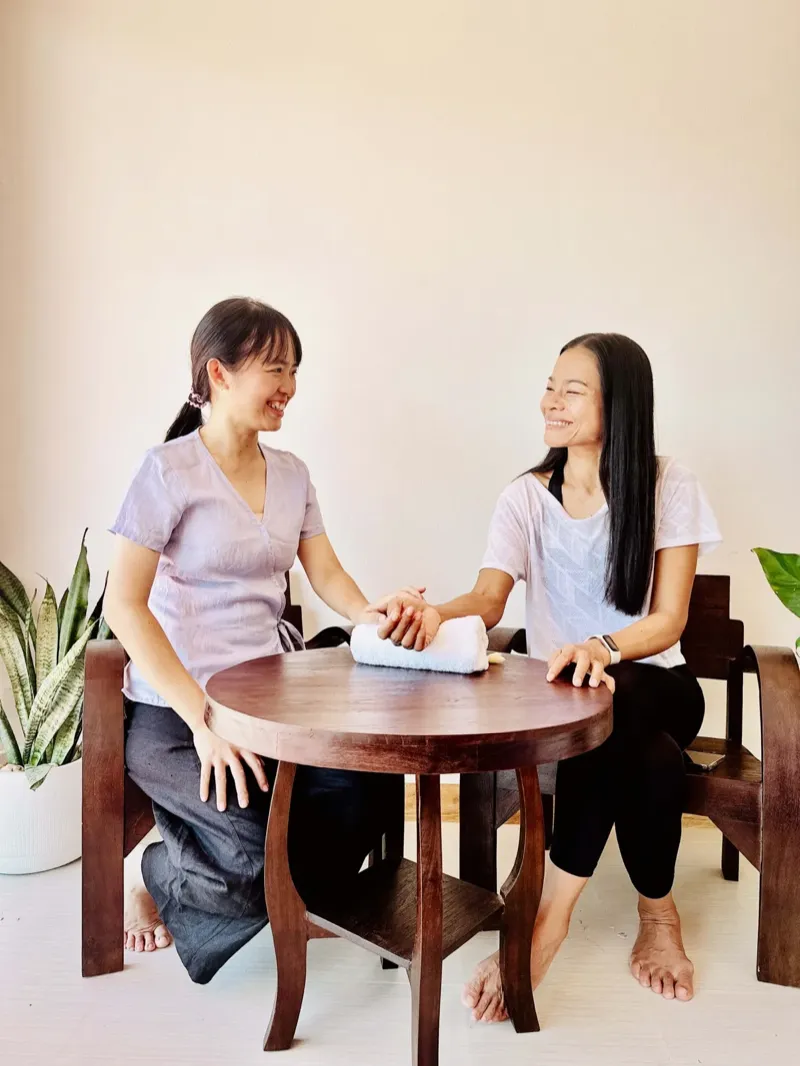
Claire holds both a Bachelor's and Master's degree in Traditional Chinese Medicine from Chengdu University of TCM, one of China's top TCM institutions. With over five years of clinical experience and fluency in Thai, Chinese, and English, she treats patients from more than 20 countries for everything from chronic pain and sleep problems to digestive issues and emotional health.
Learn More →Ready to try acupuncture?
Book a session at Piraluna and feel the difference for yourself.
Book Your SessionContinue reading
Acupuncture for Lower Back Pain and Sciatica: A Natural Path to Relief
How acupuncture treats lower back pain and sciatica naturally. Learn how TCM diagnoses back pain, what a treatment cours
Read More →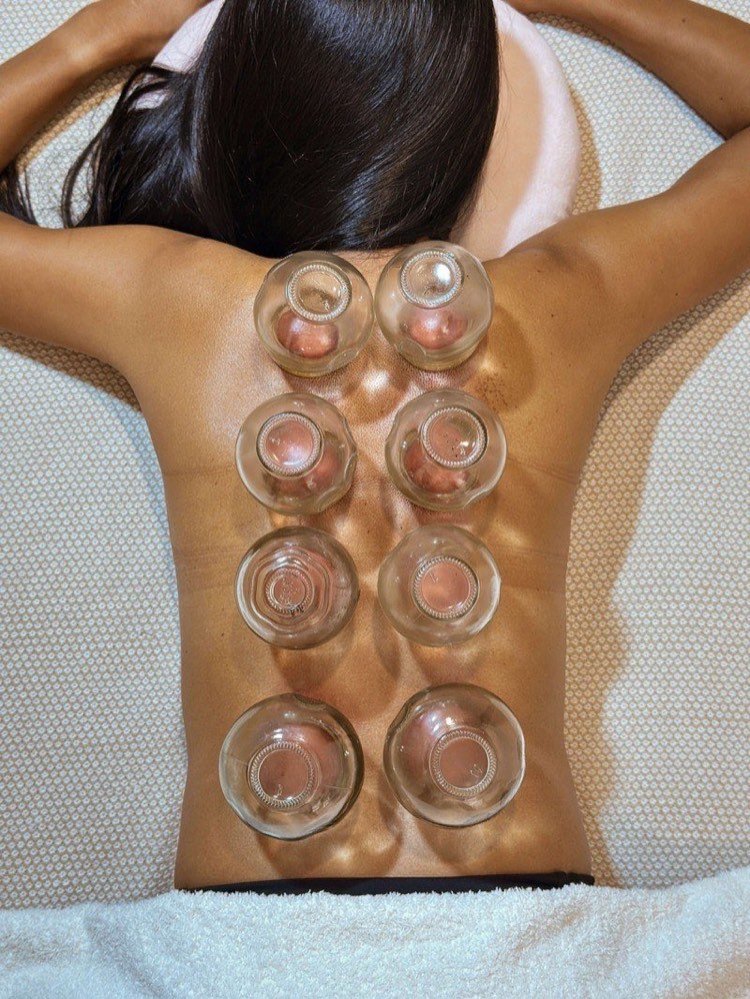
Cupping Therapy: What It Does, How It Works, and Who It Helps
Everything you need to know about cupping therapy. Learn how it works, what conditions it treats, what the marks mean, a
Read More →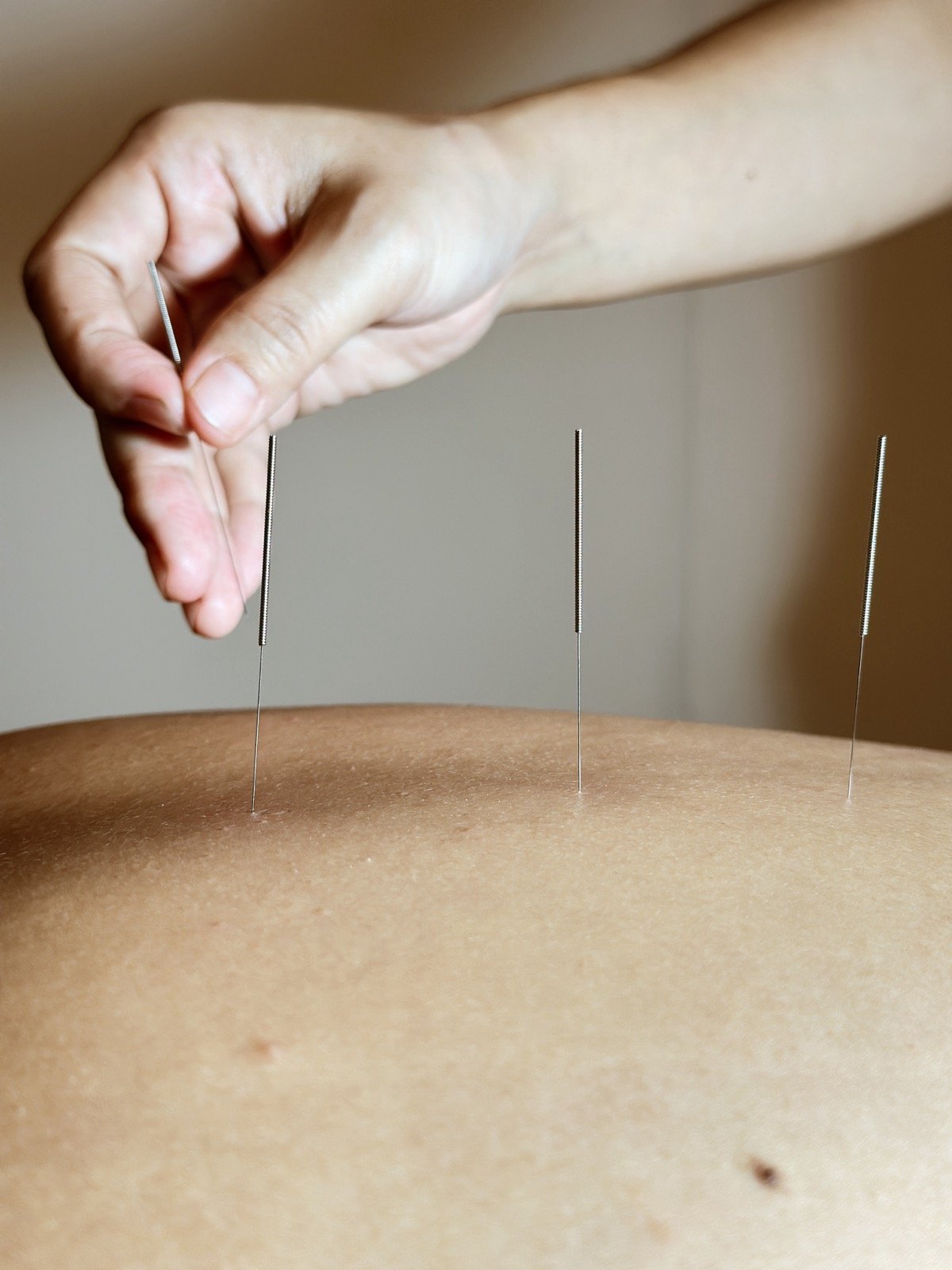
Acupuncture for Tinnitus: Can TCM Help With Ringing in the Ears?
Discover how acupuncture and TCM treat tinnitus and ringing in the ears. Learn the TCM patterns behind ear conditions, w
Read More →