Why Active People Turn to Cupping
Cupping for sports recovery works by lifting tight, overworked tissue, pulling fresh blood into fatigued muscles, and helping the body clear the waste products that build up after hard training. For athletes and active people, that translates into less soreness, looser muscles, and a quicker return to feeling ready for the next session. It is not a magic shortcut and it will not replace good sleep, hydration, and sensible loading, but used alongside them it is one of the most satisfying recovery tools we offer at Piraluna. Many of the runners, divers, lifters, and Muay Thai trainees in Koh Samui come to us precisely because cupping reaches the deep, stubborn tightness that foam rolling and stretching never quite touch.
If you have ever seen circular marks on the back of an Olympic swimmer, you have already seen cupping in the world of sport. This post is about how it helps a body that trains, so we will focus on recovery, soreness, and tension rather than the basics.
How Cupping Helps Muscle Recovery
Training breaks muscle down so it can rebuild stronger, but that process leaves behind tightness, restricted fascia, and pooled metabolic waste. Cupping addresses all three at once. The suction lifts the skin, fascia, and superficial muscle upward, which decompresses layers of tissue that stick together under repeated load. As the tissue lifts, circulation surges into the area, flushing the byproducts of exercise and delivering fresh, oxygen rich blood to muscles that are trying to repair.
Think of it as the opposite of a deep tissue massage. Instead of pressing down, cupping pulls up and apart, which is exactly the change of direction tight, overworked tissue needs.
Cupping and DOMS
Delayed onset muscle soreness, or DOMS, is the stiffness and tenderness that peaks a day or two after an unfamiliar or intense session. Patients consistently tell us that cupping takes the edge off that heavy, seized up feeling and helps them move more freely the next morning. The increased blood flow appears to ease the soreness and shorten how long it lingers. We would never promise it removes DOMS entirely, but for many active people it makes the recovery days far more comfortable.
Cupping for Tension and Overuse
Beyond general soreness, sport tends to load the same areas again and again. Cupping is excellent for the chronic tightness that builds up in those overused regions.
- Upper back and shoulders. Common in swimmers, paddlers, climbers, and anyone who trains the pulling muscles hard. Cupping here often relieves the locked up feeling between the shoulder blades.
- Lower back and the muscles along the spine. Lifters, runners, and divers carry a lot of load here, and the suction helps release the long erector muscles that flank the spine.
- Calves, hamstrings, and quads. Endurance athletes accumulate deep tightness in the legs that responds well to sliding cupping along the muscle.
- Neck and shoulder line. Tension that creeps in from training, travel, and screens often eases quickly. You can read more in our guide to neck and shoulder pain.
What the Marks Mean for Athletes
The circular marks are the most recognizable part of cupping, and active people tend to ask about them most. They are not bruises. A bruise comes from impact that damages blood vessels. Cupping marks come from the suction drawing stagnant blood and metabolic waste to the surface, and they are not painful to the touch.
For a training body, the marks can be a useful map of where you hold the most stress. Darker marks point to areas of heavier stagnation and tighter tissue, which is often exactly where your sport loads you most. Most marks fade within three to seven days, and a helpful sign for athletes is that the same spot usually marks lighter over a course of treatments as circulation in that overused area improves. For a deeper breakdown, see our cupping marks color guide. One practical note: if you have an event or a photo shoot coming up, tell us so we can plan the timing of your marks.
What a Recovery Session at Piraluna Looks Like
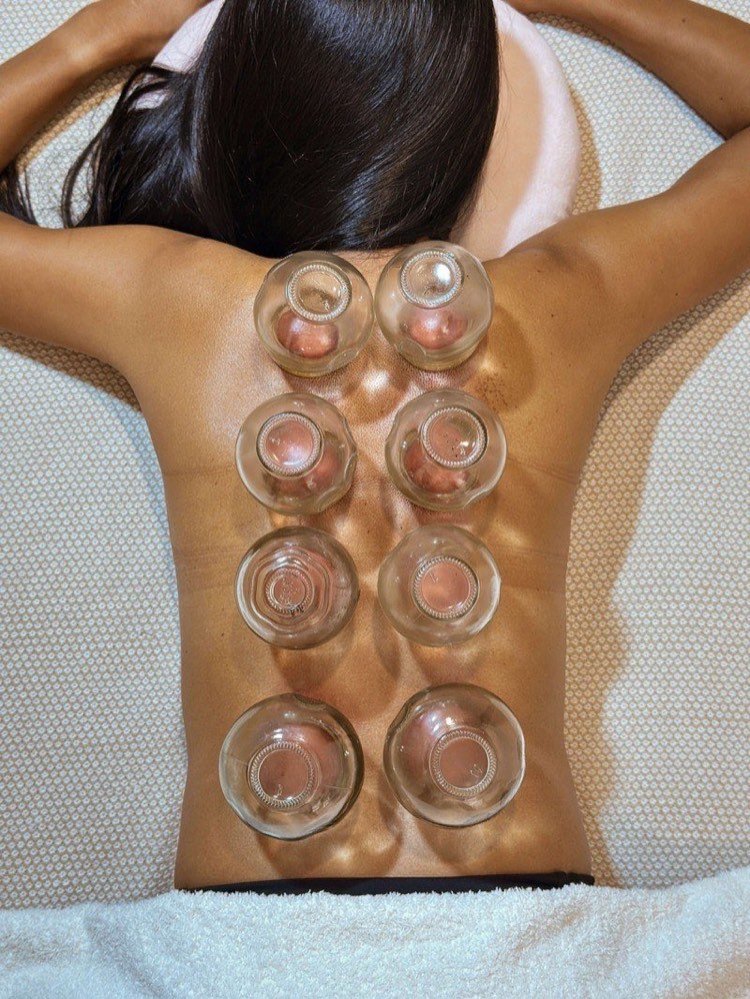
Claire starts by assessing where you are tight, palpating the muscles you have been loading and asking about your training and your soreness. She trained at Chengdu University of TCM and uses fire cupping, where a flame briefly heats the air inside a glass cup to create suction before it is placed on the skin. The fire never touches you. The glass cups give even suction and let her watch how your tissue responds in real time.
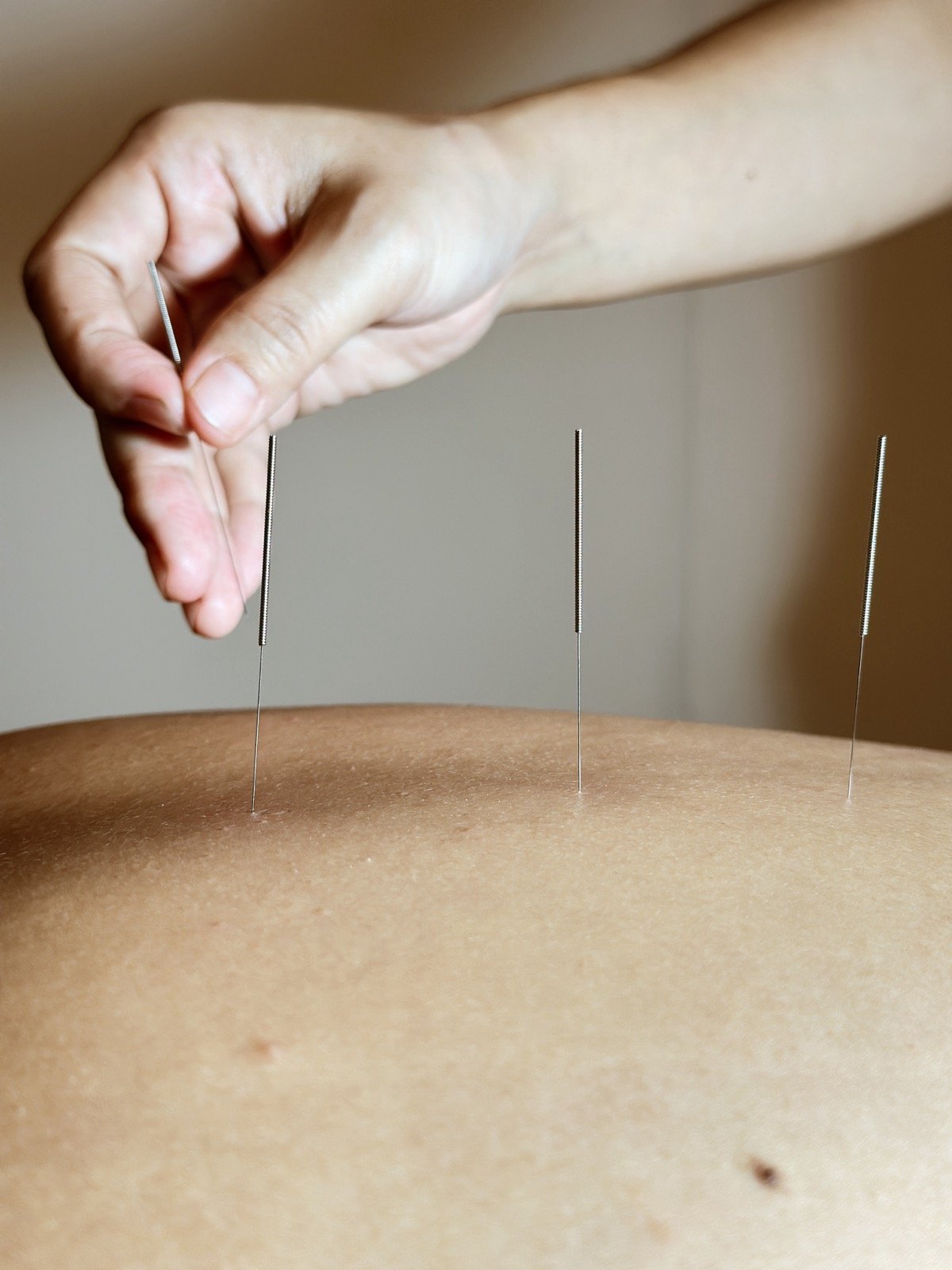
A thin layer of oil goes on first so the cups seal well and so she can perform sliding cupping, moving a cup along a large muscle while keeping the suction. That technique feels like a deep, broad massage and works beautifully on legs and backs. Static cups are left in place for five to fifteen minutes depending on the area and your tolerance. You will feel a strong pulling and a sense of pressure, never sharp pain, and if anything is too intense Claire eases the suction at once. For many athletes the cupping is combined with acupuncture in the same visit. Our guide to what cupping does covers the fundamentals if you want the full overview.
Recover Smarter Between Sessions
If you train hard in Koh Samui and want your body to bounce back faster, cupping is one of the simplest additions you can make to your recovery routine. It works quickly, it pairs well with acupuncture, and the relief is often felt the same day. Book a session at Piraluna in Lamai and give your muscles the recovery they have earned.