Why Fertility Can Be So Frustrating
Few things in life carry the emotional weight that fertility does. When you decide you are ready to start a family and your body does not cooperate, every month becomes a cycle of hope and disappointment. You track your ovulation, time everything perfectly, do all the things you have been told to do, and still the test comes back negative. After a few months of this, frustration gives way to something heavier: doubt, anxiety, and a creeping fear that something is wrong with you.
You are not alone in this. Roughly one in six couples worldwide experience difficulty conceiving. And while that statistic might offer some comfort, it does not make the experience any less isolating. Friends announce pregnancies. Family members ask questions. Social media is full of baby photos. Meanwhile, you are quietly wondering what you are doing wrong.
The conventional approach to fertility tends to focus on identifying what is broken and fixing it. Hormone levels are tested. Ovulation is tracked. If those look fine, the next step is often medicated cycles, IUI, or IVF. These interventions can be effective, but they can also be physically demanding, emotionally draining, and expensive. And for many women, the testing comes back "normal," leaving them in a frustrating limbo where nothing is technically wrong but pregnancy is not happening.
Traditional Chinese Medicine offers a different perspective. Rather than searching for a single broken part, TCM looks at the whole system. It asks whether your body is in the best possible condition to conceive and carry a pregnancy. And if it is not, it works to get you there. For a deeper look at the research and treatment protocols, see our detailed guide on acupuncture for fertility.
How TCM Understands Fertility
In Western reproductive medicine, fertility is primarily about eggs, sperm, hormones, and anatomy. TCM does not contradict any of that. It adds another layer of understanding by looking at the energetic and functional systems that support reproduction.
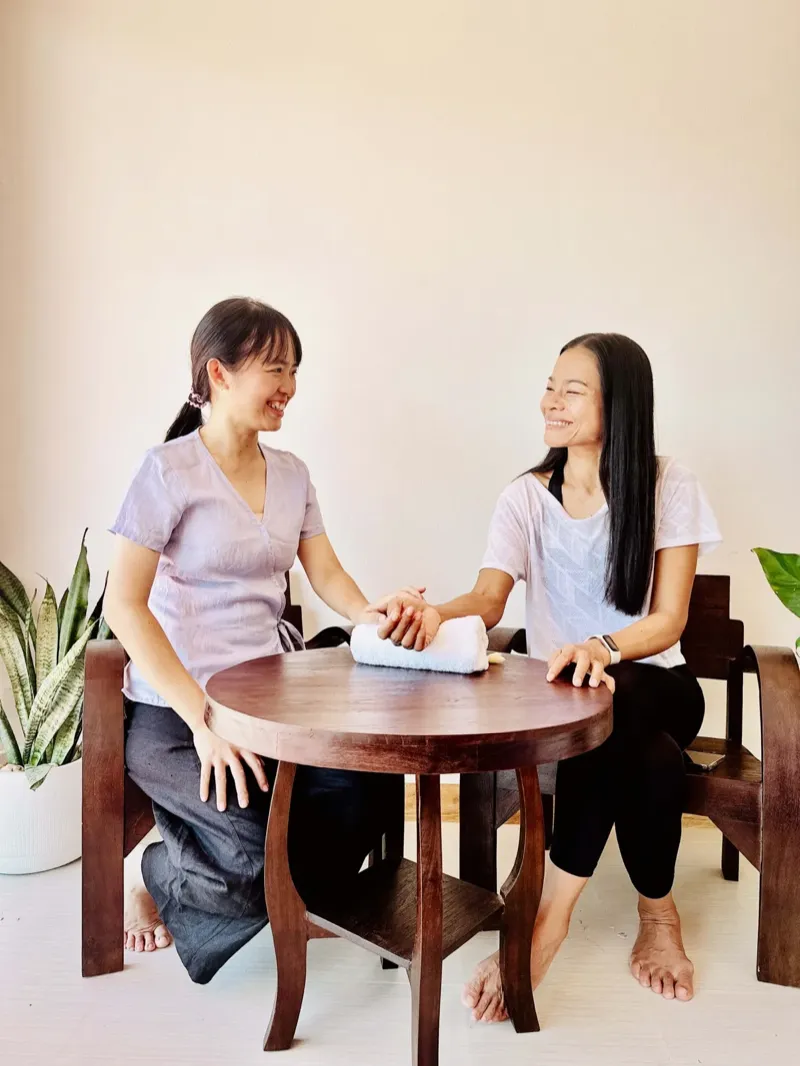
Three organ systems are central to fertility in TCM, and when Claire assesses a patient at Piraluna, these are the systems she evaluates first.
The kidneys govern reproductive essence. In TCM, the kidneys are the foundation of fertility. They store what is called jing, or essence, which you can think of as your deep constitutional reserve. Jing determines the quality of your eggs, the strength of your reproductive function, and your overall vitality. Every woman is born with a finite amount of jing, and it naturally declines with age. But lifestyle factors can accelerate that decline: chronic overwork, sleep deprivation, excessive exercise, prolonged stress, and poor nutrition all deplete kidney essence faster than necessary. Supporting the kidneys is the foundation of every TCM fertility treatment.
The liver ensures smooth hormonal flow. The liver in TCM is responsible for the free movement of qi throughout the body. When liver qi flows smoothly, your hormonal signals move in the right sequence at the right time. Estrogen rises when it should. The LH surge triggers ovulation on schedule. Progesterone supports the luteal phase adequately. But when the liver becomes stagnant (most often from chronic stress, frustration, or emotional suppression), those signals get disrupted. Ovulation becomes irregular or absent. PMS intensifies. The whole hormonal cascade loses its rhythm. If you have been told your cycles are "a bit off" but nothing is technically wrong, liver qi stagnation is very often the missing piece.
The spleen produces blood to nourish the uterus. In TCM, the spleen transforms the food you eat into qi and blood. Blood nourishment is essential for building a thick, receptive uterine lining where an embryo can implant and grow. When the spleen is weak (from poor diet, irregular eating, chronic worry, or overthinking), blood production falls short. The uterine lining becomes thin. Periods may be scanty or pale. Energy drops, especially around menstruation. Many women with unexplained fertility challenges have an underlying spleen and blood deficiency that conventional testing does not detect because it is not looking for it.
Most women do not present with a single clean pattern. Claire typically identifies a combination: kidney essence depletion with liver qi stagnation, or spleen weakness with blood deficiency layered on top. Understanding your specific combination is what makes TCM treatment precise rather than generic.
What Acupuncture Does for Fertility
Acupuncture is not a mystical process. Its effects on fertility have been studied extensively, and the mechanisms are well documented in peer reviewed research.
Increases blood flow to the uterus and ovaries. Adequate blood supply to the reproductive organs is essential for egg quality, follicle development, and building a healthy uterine lining. Acupuncture has been shown to increase uterine artery blood flow, which directly supports these processes. Better blood flow means more oxygen and nutrients reaching the tissues that matter most for conception.
Regulates reproductive hormones. Acupuncture influences the hypothalamic pituitary ovarian (HPO) axis, the communication loop between your brain and your reproductive organs. Research shows it can regulate levels of follicle stimulating hormone (FSH), luteinizing hormone (LH), estrogen, and progesterone. For women with irregular ovulation, high FSH, or luteal phase defects, this hormonal regulation can be the factor that tips the balance toward conception.
Reduces cortisol and calms the nervous system. Stress is one of the most underestimated fertility disruptors. When cortisol stays elevated, it interferes with GnRH (gonadotropin releasing hormone), which sits at the top of the reproductive hormone cascade. Your body essentially deprioritizes reproduction when it perceives ongoing threat. Acupuncture activates the parasympathetic nervous system, lowers cortisol, and shifts your body out of survival mode and into a state where reproduction becomes possible again. If you have ever been told to "just relax," you know how unhelpful that advice is. Acupuncture actually provides the physiological shift that relaxation advice cannot.
Supports egg quality. Egg quality depends on adequate blood supply, proper hormonal signaling, and reduced oxidative stress. Acupuncture addresses all three. While it cannot reverse age related decline, it can optimize the conditions under which your remaining eggs develop, potentially improving the quality of the eggs you do produce.
Improves uterine lining thickness. A lining of at least 8mm is generally considered necessary for successful implantation. Women with thin linings often struggle to conceive even when ovulation and fertilization occur normally. By increasing blood flow to the uterus, acupuncture helps build a thicker, more receptive lining.
Common Fertility Patterns Claire Sees at the Clinic
Every woman who comes to Piraluna for fertility support receives an individualized assessment. But certain patterns appear again and again. Understanding these can help you recognize what might be happening in your own body.
Liver qi stagnation. This is the most common fertility pattern Claire sees, and it is almost always connected to stress. Women with this pattern often have irregular ovulation, cycles that vary in length from month to month, premenstrual tension, breast tenderness before their period, and a feeling of tightness or frustration that builds as the cycle progresses. They may be ovulating, but not consistently or predictably. The emotional weight of trying to conceive often makes this pattern worse, creating a cycle where stress blocks fertility and fertility struggles increase stress. Acupuncture is remarkably effective at moving liver qi and restoring regular ovulation.
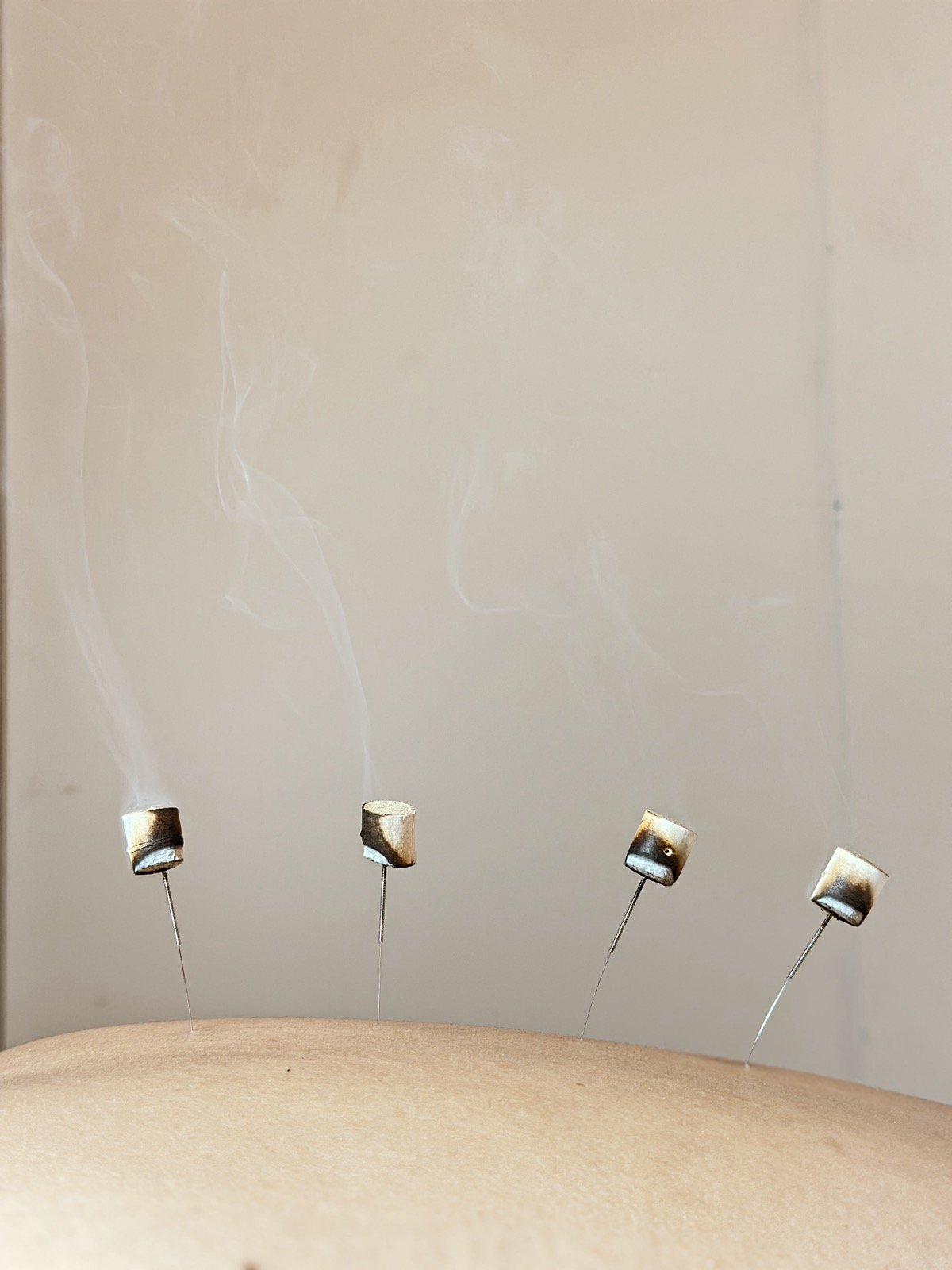
Kidney yang deficiency. Women with this pattern often describe feeling cold, particularly in their lower abdomen, feet, and lower back. Their basal body temperature may stay low throughout the cycle without a clear rise after ovulation, suggesting weak progesterone production. Libido is often low. Energy dips in the afternoon. Lower back pain is common. In TCM, this is described as a "cold uterus," meaning the reproductive environment lacks the warmth needed to support conception and implantation. Moxibustion (the burning of dried mugwort near specific acupuncture points) is particularly effective for this pattern because it introduces deep, penetrating warmth directly into the lower abdomen and kidney area.
Blood deficiency. This pattern appears in women who have scanty periods (light flow lasting only one or two days), a thin uterine lining on ultrasound, fatigue around menstruation, pale skin, dizziness when standing up quickly, and dry skin or hair. The uterus does not have enough nourished blood to build the thick lining that embryo implantation requires. Blood deficiency often develops over years of poor nutrition, restrictive dieting, overexercise, or chronic stress. Treatment focuses on strengthening the spleen's ability to produce blood and nourishing the blood directly through acupuncture, dietary changes, and sometimes herbal formulas.
Dampness and phlegm accumulation. This pattern often presents similarly to polycystic ovary syndrome (PCOS). Women with dampness and phlegm may have long cycles (35 days or more), absent or infrequent ovulation, excess cervical mucus, a feeling of heaviness in the body, bloating, and sometimes excess weight that resists conventional dieting. In TCM, dampness obstructs the reproductive system, preventing the smooth hormonal signaling needed for ovulation. Treatment focuses on transforming dampness through acupuncture, dietary modification (reducing sugar, dairy, and cold raw foods), and restoring spleen function.
TCM Alongside IVF and Modern Fertility Treatment
TCM is not a replacement for reproductive medicine. Claire is clear about this with every patient. If you need IVF, you need IVF. If there is a structural issue like blocked fallopian tubes, acupuncture cannot fix that. What TCM can do is optimize your body's readiness so that whatever path you choose has the best possible chance of success.
Many women use acupuncture alongside IVF, and research supports this approach. Studies have found that women who receive acupuncture before and after embryo transfer have higher implantation and clinical pregnancy rates compared to those who do not. The proposed mechanisms include increased uterine blood flow, reduced uterine contractions (which can interfere with implantation), lower stress hormones, and improved endometrial receptivity.
At Piraluna, Claire works with women at every stage of the fertility process. Some come before they start trying, wanting to optimize their health first. Some come after months of trying naturally without success. Some are preparing for an IVF cycle and want to give themselves the best foundation. And some come between failed IVF rounds, looking for a way to recover physically and emotionally before trying again.
If you are working with a reproductive endocrinologist or fertility clinic, TCM fits alongside that care without conflict. Claire coordinates her treatment timing with your medical protocol so that acupuncture supports rather than interferes with each stage of treatment.
What a Fertility Treatment Course Looks Like
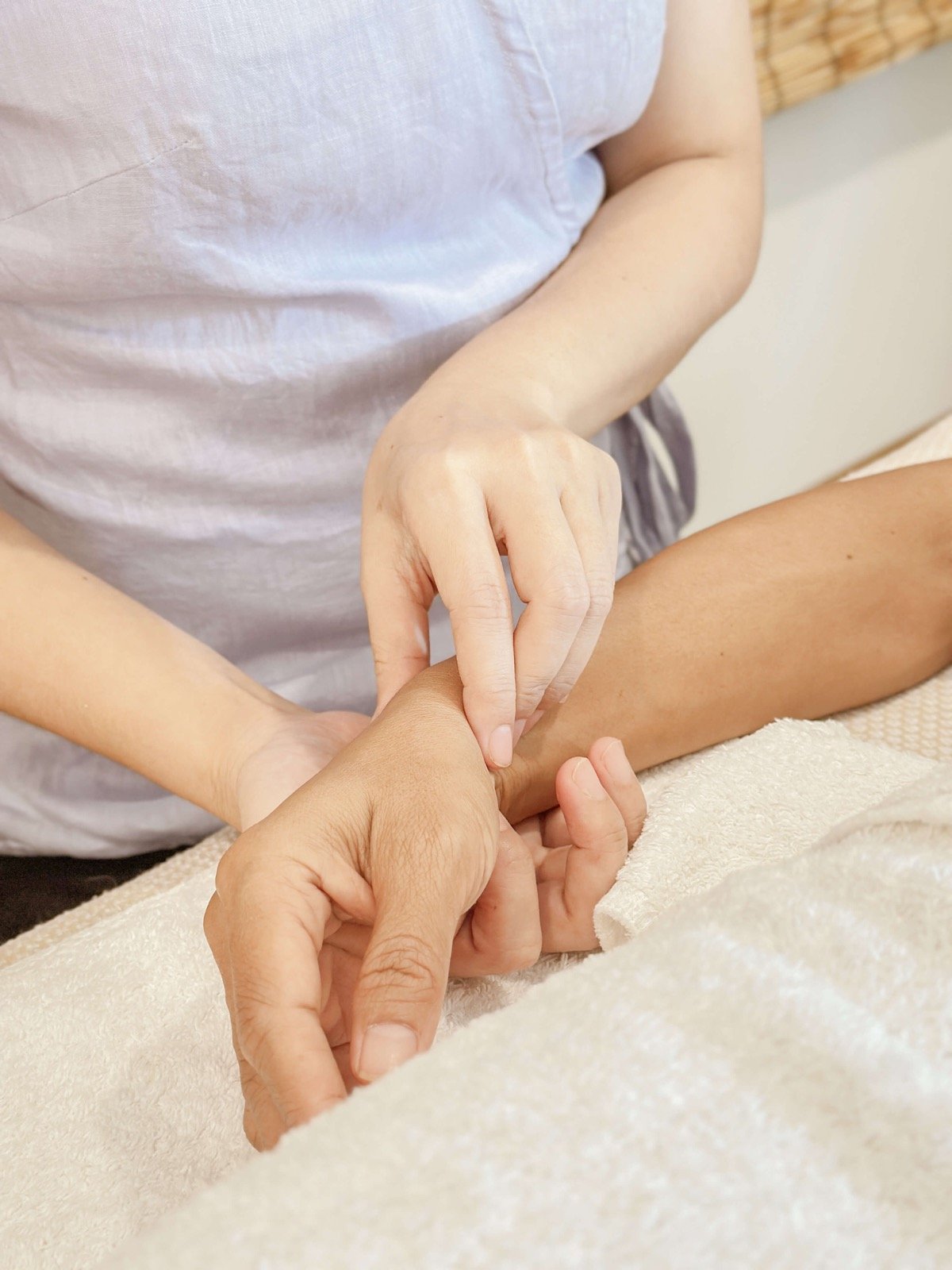
Fertility treatment at Piraluna begins with a thorough first consultation. Claire will ask detailed questions about your menstrual cycle: its length, regularity, flow volume, color, any clotting, pain levels, and PMS symptoms. She will ask about your basal body temperature patterns, any previous pregnancies or losses, your sleep quality, stress levels, digestion, and energy. She will check your pulse at both wrists (in TCM, different pulse positions correspond to different organ systems) and examine your tongue, which provides information about blood quality, dampness, heat, and constitutional strength.
This initial assessment takes 20 to 30 minutes and gives Claire the information she needs to identify your pattern and build a treatment plan.
Treatment is typically aligned to the four phases of your menstrual cycle, because each phase has different needs.
During menstruation (days 1 to 5), the focus is on promoting smooth flow, moving blood, and clearing the uterus completely so the next cycle starts fresh. Points that invigorate blood circulation are emphasized.
During the follicular phase (days 5 to 12), treatment shifts to nourishing blood and yin, supporting follicle development, and building the uterine lining. This is the phase where the body is preparing for ovulation, and acupuncture supports that preparation.
Around ovulation (days 12 to 16), treatment focuses on promoting smooth qi movement to ensure the egg releases on time. Points that warm the kidney yang and move liver qi are used to support the LH surge and ovulation itself.
During the luteal phase (days 16 to 28), the priority is warming the kidney yang to support progesterone production, calming the mind to reduce stress that could interfere with implantation, and maintaining uterine blood flow. This is the phase where many women experience the most anxiety ("Am I pregnant? Did it work?"), and acupuncture helps manage that emotional intensity while supporting the physiological conditions for implantation.
Sessions are typically weekly, and most fertility treatment courses run for a minimum of three menstrual cycles. Egg development takes approximately 90 days from recruitment to ovulation, so giving treatment at least three months allows it to influence the quality of the eggs that are maturing during that window.
Between sessions, Claire provides guidance on food therapy (what to eat during each cycle phase), lifestyle adjustments, and self care practices. Sleep quality is a particular focus because sleep directly affects reproductive hormone production, and improving it is one of the fastest ways to support fertility.
You Deserve Support on This Path
Trying to conceive can feel lonely, even when you are surrounded by people who care about you. The monthly waiting, the uncertainty, the feeling that your body is letting you down: these take a toll that is hard to explain to someone who has not been through it.
What TCM offers is not a miracle or a guarantee. It is a way to actively participate in your fertility rather than passively waiting and hoping. It is a structured approach that addresses the factors within your control: your stress levels, your hormonal balance, your blood flow, your sleep, your nutrition, your nervous system. When you optimize these factors, you create the best possible environment for conception, whether that happens naturally or with the support of assisted reproductive technology.
Claire has worked with many women on this path. She understands the emotional weight of it. At Piraluna, you will not be rushed, and you will not be given false promises. You will get an honest assessment of your pattern, a clear treatment plan, and consistent support across as many cycles as you need.
If you are ready to take a proactive step, book a consultation at Piraluna. Whether you are just starting to try, have been trying for months, or are preparing for IVF, Claire can assess your constitution, identify what your body needs, and design a treatment plan around you.
In the meantime, if hormonal balance is something you want to understand better, start there. And if sleep is an issue (it often is when stress and fertility concerns overlap), download our free acupressure guide for three points you can use tonight. Better sleep supports every aspect of reproductive health, and it is one of the simplest places to begin.