Those Marks Are Not Bruises
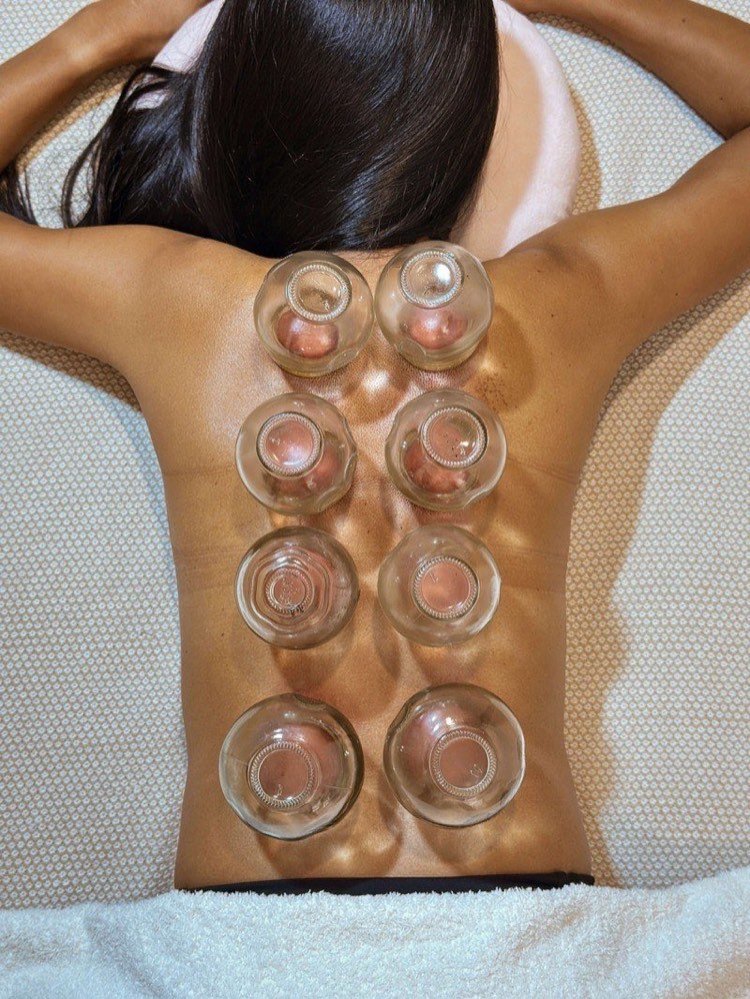
You walk out of a cupping session with a constellation of circles on your back. They range from pale pink to deep eggplant purple. Your friend at the pool asks what happened. You know they are not bruises, but you cannot quite explain what they actually are or what the different colors mean.
This is the most common question we get at Piraluna after a cupping session. The marks look dramatic, but they tell a clear and useful story about what is happening beneath the surface of your skin. Once you understand what each color means, those marks become a diagnostic tool rather than a cosmetic concern.
Let us walk through the colors one by one.
Light Pink: Good Circulation, Minimal Stagnation
Light pink marks are the best case scenario. They mean blood and qi are flowing freely through the area. The suction brought a healthy amount of fresh blood to the surface, and your body responded the way it should.
Light pink marks usually show up in areas that are not carrying much tension. They tend to fade within a few hours to a day. If most of your cupping marks come out light pink, your circulation is in solid shape and your muscles are not holding onto much old tension.
You will often see light pink marks on the lower back when the upper back and shoulders are the real problem areas. The contrast between the light marks and the darker ones above them tells the practitioner exactly where the stagnation is concentrated.
Medium Red: Moderate Stagnation
Medium red marks indicate areas where blood and qi flow has slowed down. There is stagnation here, but it is not deeply entrenched. These marks are common in people who sit at desks all day, carry tension in their shoulders, or have had mild soreness in an area for a few weeks.
From a TCM perspective, red marks suggest that qi and blood are present but not moving efficiently. The suction pulls stagnant blood and metabolic waste from the deeper tissue layers up toward the surface, where your body can clear it through normal circulation. This is why the area often feels lighter and less restricted after treatment, even before the marks fully fade.
Medium red marks typically last three to five days. They may feel slightly tender to the touch for the first day or two, similar to light muscle soreness after a workout. This tenderness fades quickly.
Dark Red to Deep Purple: Significant Stagnation
This is where the story gets more interesting. Dark red to deep purple marks indicate significant stagnation in the tissue. The blood and qi in this area have been stuck for a while, sometimes weeks, sometimes months. The darker the mark, the longer and more severe the stagnation.
At Piraluna, we see deep purple marks most often in the upper trapezius muscles (the thick muscles between the neck and shoulders) and across the upper back. These are the same areas where people report the deepest, most persistent tension. That is not a coincidence. The marks are essentially showing you on the surface what you already feel underneath.
Deep purple marks form because the suction draws up old, deoxygenated blood that has been trapped in the fascia and muscle tissue. Healthy tissue does not produce dark marks, no matter how strong the suction. The color comes from what was already stuck there.
These marks can take seven to ten days to fully fade. They often start deep purple, shift to a brownish red over the next few days, then gradually lighten to yellow before disappearing completely. Each stage of color change reflects your body processing and clearing the old blood.
Blueish Purple: Cold and Deep Stagnation
A blueish or purplish tint with a cold sensation during treatment points to what TCM calls cold stagnation. This pattern often shows up in people who feel cold easily, have stiff joints that are worse in air conditioning, or experience dull aching pain that gets worse on rainy or humid days.
In Koh Samui, we see this pattern more often than you might expect. Despite the tropical heat outside, many people spend hours in heavily air conditioned offices, bedrooms, and restaurants. Over time, that cold exposure can penetrate the muscles and joints, slowing circulation and creating a specific type of deep stagnation.
When blueish marks appear, Claire often combines cupping with moxibustion, a warming herbal therapy that drives heat into the tissue to break up the cold pattern. The combination of suction from the cups and warmth from the moxa is particularly effective for this type of stagnation.
Blueish marks fade at about the same rate as dark purple marks, roughly seven to ten days.
Blisters or Raised Skin: What It Means
Occasionally, cupping can produce small blisters or raised bumps on the skin. This happens when the suction pulls moisture and toxins out of the deeper tissue layers. In TCM, this is associated with damp accumulation, a pattern that often accompanies digestive sluggishness, a feeling of heaviness in the body, or swelling.
At Piraluna, we adjust suction strength and duration to minimize blistering while still achieving a therapeutic effect. If blisters do appear, they are small, painless, and resolve on their own within a few days. We recommend keeping the area clean and dry and avoiding swimming pools or the ocean until they have fully healed.
If you have a history of blistering easily from cupping, let Claire know before your session. She can modify the technique to reduce suction intensity while still addressing the underlying stagnation.
Why Marks Get Lighter Over Repeated Sessions
Here is the most encouraging thing about cupping marks: they get lighter with each treatment. Your first session might produce deep purple marks across your upper back. By the third or fourth session, the same areas may only turn medium red or light pink.
This progression tells you the treatment is working. Each session clears a layer of stagnation. As the old blood and metabolic waste are flushed out through your lymphatic system, fresh blood moves in. The tissue becomes healthier, more elastic, and better circulated. There is simply less old material to pull up, so the marks fade faster and appear lighter.
At Piraluna, we track mark progression from session to session as one of several indicators of treatment response. It gives both you and your practitioner visible evidence that the body is changing underneath.
How to Help Your Marks Fade Faster
Your body does most of the work, but you can support the process.
- Stay hydrated. Water helps your lymphatic system flush the metabolic waste that cupping draws to the surface. Drink plenty of water for the 24 to 48 hours after treatment.
- Keep the area warm. Avoid cold showers, swimming in cold pools, or sitting directly in air conditioning drafts immediately after cupping. Cold exposure can slow the clearing process and potentially reintroduce the stagnation pattern.
- Move gently. Light walking or gentle stretching encourages circulation through the treated areas. Avoid intense exercise for the rest of the day after your session.
- Avoid alcohol. Alcohol adds heat and can interfere with your body's natural detoxification process. Give your body at least 24 hours after cupping before drinking.
Quick Color Reference
Here is a summary you can refer back to after your session.
- Light pink: Good circulation, minimal stagnation. Fades in hours to one day.
- Medium red: Moderate stagnation, slowed blood and qi flow. Fades in three to five days.
- Dark red to deep purple: Significant stagnation that has been present for weeks or months. Fades in seven to ten days.
- Blueish purple: Cold stagnation, often from air conditioning or cold exposure. Fades in seven to ten days. May benefit from moxibustion.
- Blisters or raised skin: Damp accumulation in the tissue. Resolves in a few days. Keep clean and dry.
What Your Marks Cannot Tell You
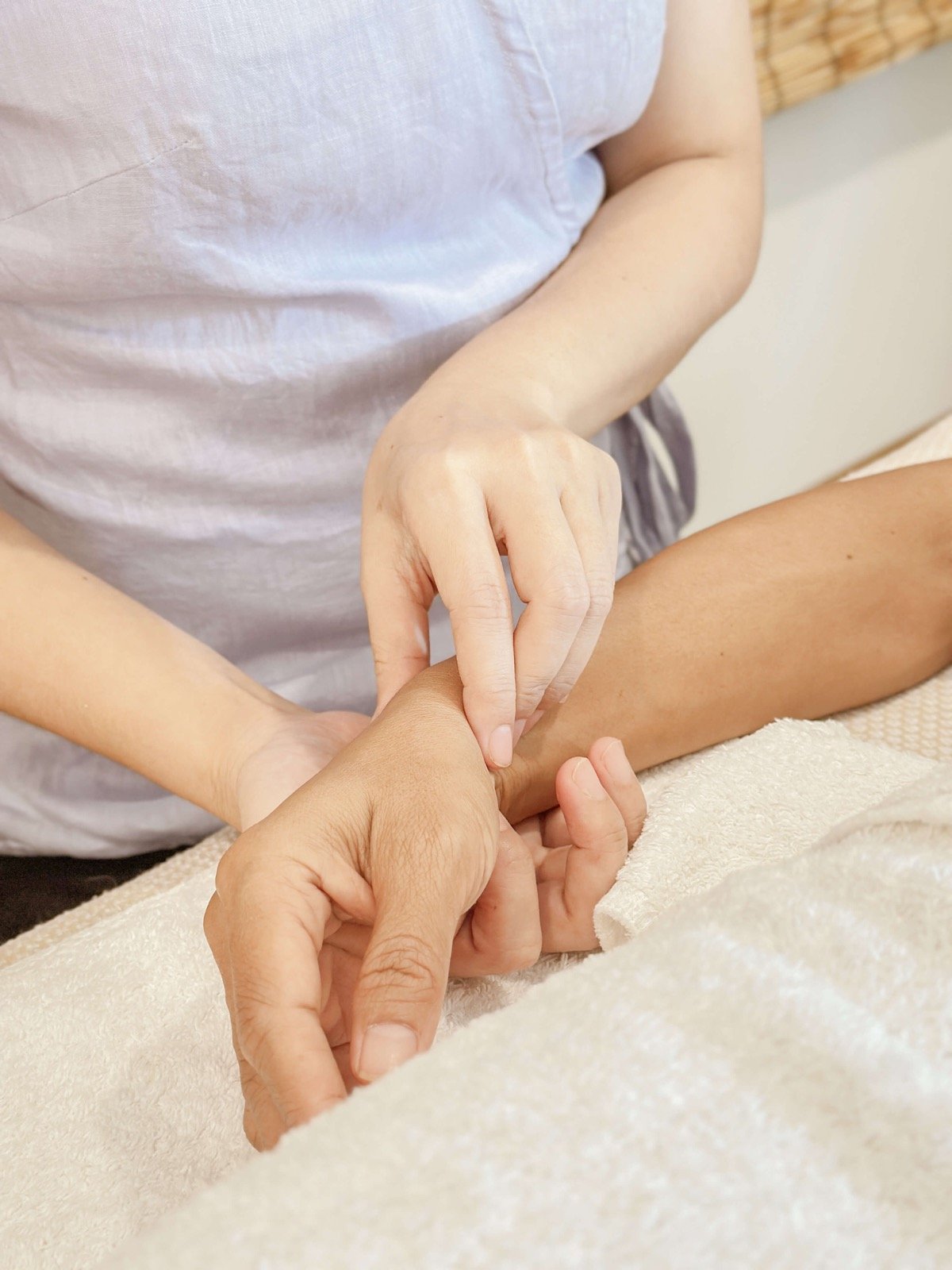
Cupping marks are useful but they are not the full diagnostic picture. They show what is happening in the muscle and fascia layer, but they do not replace the pulse and tongue diagnosis, health history review, and clinical assessment that TCM practitioners use to understand the complete pattern.
The marks confirm and complement the diagnosis. They do not replace it. This is why working with an experienced practitioner matters. At Piraluna, Claire reads the cupping marks alongside your other signs and symptoms to build the most accurate picture of what your body needs.
First Time? Here Is What to Expect
If you have never had cupping before, the marks can look alarming. But now you know what they mean. They are not damage. They are information. Every color tells you something about the state of your tissue, and with each session, the story changes as your body heals.
Most first time patients are surprised by two things: how good the suction actually feels during the session, and how much lighter the treated areas feel afterward. The marks are just the visible evidence of work that has already been done beneath the surface.
Curious about how cupping can help you? Learn more about cupping therapy at Piraluna or book a session to experience it for yourself. Claire will explain everything before, during, and after treatment so you always know exactly what is happening and why.