Acupuncture for Fertility: How TCM Supports Your Journey to Conception
The Weight of Wanting
Few experiences carry more emotional weight than wanting to conceive and finding that it is not happening as easily as expected. You may have been trying for months or years. You may be navigating the world of assisted reproduction. You may simply be looking for ways to optimize your fertility before you start trying. Wherever you are on this path, acupuncture for fertility offers a well researched, time tested approach that supports conception by addressing the whole body rather than treating reproduction in isolation.
Traditional Chinese Medicine has supported fertility for over two thousand years. Long before hormone panels and ultrasound monitoring existed, TCM practitioners developed sophisticated methods for assessing and improving reproductive function. Modern research is now validating many of these approaches, revealing the mechanisms through which acupuncture improves fertility outcomes for both natural conception and assisted reproduction.
How TCM Understands Fertility
In TCM, fertility is not governed by the reproductive organs alone. It depends on the health and balance of several organ systems working together, particularly the Kidney, Liver, and Spleen.
The Kidney system is the foundation of reproductive health in TCM. The Kidneys store what is called Jing, the essence that governs growth, development, and reproduction. Kidney deficiency, whether yin or yang, is the most fundamental pattern behind fertility challenges. Kidney yin deficiency may present as a short luteal phase, thin uterine lining, poor egg quality, low AMH, or scanty cervical fluid. Kidney yang deficiency may show as long irregular cycles, low basal body temperature, cold extremities, fatigue, and low progesterone.
The Liver system governs the smooth flow of qi and blood. For fertility, this is critical because the Liver controls the timing and regularity of the menstrual cycle. Liver qi stagnation, commonly caused by chronic stress, frustration, or emotional suppression, can disrupt ovulation, cause irregular cycles, create premenstrual tension, and contribute to conditions like endometriosis and PCOS. If you have been told to "just relax and it will happen," there is actually a physiological basis for that advice, though "just relax" is rarely helpful without tools to actually achieve it. Acupuncture is one of those tools.
The Spleen system is responsible for transforming food into qi and blood. When the Spleen is weak, often from poor diet, chronic worry, or overwork, the body cannot produce enough blood to build a thick, nourishing uterine lining. Spleen qi deficiency may present as fatigue, bloating, loose stools, spotting before the period, and a pale thin uterine lining on ultrasound.
Blood stasis can also impair fertility. When blood does not circulate freely through the uterus, conditions like endometriosis, fibroids, and adhesions can develop. Painful periods with dark clotted blood are a classic sign. Treatment focuses on moving blood and breaking up stagnation to restore healthy circulation to the reproductive organs.
What the Research Shows
The evidence base for acupuncture and fertility has grown substantially. Here are some key findings.
A systematic review published in Fertility and Sterility found that acupuncture given around the time of embryo transfer during IVF increased pregnancy rates by 65 percent compared to controls. While subsequent studies have shown more variable results, the overall body of evidence supports a positive effect.
Research published in the Journal of Endocrinological Investigation demonstrated that acupuncture can regulate reproductive hormones including FSH, LH, estradiol, and progesterone. It does this by modulating the hypothalamic pituitary ovarian (HPO) axis, the hormonal communication system that governs the menstrual cycle.
A study in the American Journal of Reproductive Immunology showed that acupuncture reduces elevated natural killer cell activity, a factor linked to implantation failure and recurrent miscarriage.
Research has also demonstrated that acupuncture increases blood flow to the uterus and ovaries. A study using Doppler ultrasound showed significantly improved uterine artery blood flow after acupuncture treatment. Better blood flow means a thicker, more receptive endometrial lining and better delivery of nutrients and hormones to developing follicles.
For male fertility, a study in Fertility and Sterility showed that acupuncture improved sperm morphology, motility, and count in men with subfertile sperm parameters.
How Acupuncture Supports Each Phase of Your Cycle
One of the strengths of the TCM approach to fertility is that treatment adapts to each phase of the menstrual cycle, working with your body's natural rhythms rather than overriding them.
Menstrual phase (days 1 to 5). Treatment focuses on ensuring complete and smooth shedding of the uterine lining. Points are selected to move blood and relieve any pain or cramping. A clean, complete period sets the stage for healthy growth in the next cycle.
Follicular phase (days 5 to 12). Treatment shifts to nourishing yin and blood, supporting the growth of follicles and the thickening of the uterine lining. Points that tonify the Kidney yin and Spleen are emphasized. If you are undergoing IVF, this phase corresponds to stimulation, and acupuncture can support the body's response to medication.
Ovulation (around day 14). Treatment aims to promote the smooth release of the egg by moving qi and warming the Kidney yang. Points that activate the Liver channel help ensure the transition from yin to yang phase happens cleanly. This is a critical pivot point in the cycle, and many fertility challenges involve a disruption at exactly this transition.
Luteal phase (days 15 to 28). Treatment supports progesterone production and maintains the warmth and stability of the uterine lining. Kidney yang tonifying points are emphasized. If implantation has occurred, treatment is gentle and supportive, focused on maintaining pregnancy rather than stimulating circulation.
Acupuncture and IVF
If you are undergoing IVF or IUI, acupuncture can be integrated at several stages.
During stimulation. Weekly acupuncture sessions can support your body's response to medication, improve blood flow to the ovaries, reduce the stress response that can impair follicle development, and manage side effects of the medications.
Around embryo transfer. The most studied application is acupuncture immediately before and after embryo transfer. Treatment at this stage aims to increase blood flow to the uterus, relax the uterine muscles, reduce stress hormones, and create optimal conditions for implantation.
During the two week wait. Gentle treatment supports implantation, calms anxiety, improves sleep, and helps manage the enormous emotional stress of this period. Many patients describe these sessions as the only time during their IVF cycle when they feel genuinely calm.
Between cycles. If a cycle does not succeed, acupuncture can help reset your body physically and emotionally before the next attempt. Recovery between cycles matters more than most people realize.
What Treatment at Piraluna Looks Like
When you come to Piraluna for fertility support, the first session involves a comprehensive assessment that goes far beyond your reproductive history. Claire will ask about your menstrual cycle in detail, including cycle length, flow quality, pain, PMS symptoms, and cervical fluid patterns. She will also assess your digestion, sleep, stress levels, energy patterns, and emotional state. Pulse and tongue diagnosis provide additional information about your underlying TCM pattern.
Treatment is then tailored to your specific pattern and the phase of your cycle. Sessions typically include acupuncture, and may incorporate moxibustion (particularly for Kidney yang deficiency), and dietary guidance based on TCM principles.
For natural conception, Claire typically recommends weekly sessions for a minimum of three menstrual cycles. This timeframe reflects the approximately 90 day maturation cycle of both eggs and sperm. The improvements you make today influence the eggs and sperm that will be available three months from now.
For IVF support, treatment frequency is adjusted around your protocol. Weekly sessions during preparation and stimulation, with additional sessions around transfer if the timing allows.
Lifestyle and Dietary Support for Fertility
TCM views fertility as an expression of overall health. Supporting conception goes beyond acupuncture sessions.
Warm, cooked foods. TCM emphasizes warm, easily digestible foods during fertility treatment. Bone broths, slow cooked stews, roasted root vegetables, and warm grains support the Spleen and build blood. Raw, cold foods require more energy to digest and can weaken the Spleen over time.
Reduce cold exposure. In TCM, cold constricts blood flow and can impair uterine receptivity. Avoid iced drinks, minimize cold raw foods, and keep your lower abdomen and feet warm. This advice aligns with research showing that uterine blood flow is temperature sensitive.
Manage stress actively. Chronic stress disrupts the HPO axis and impairs fertility through elevated cortisol, disrupted LH pulsatility, and impaired progesterone production. Acupuncture itself is one of the most effective stress reduction tools available. Between sessions, even ten minutes of slow breathing or gentle yoga can make a meaningful difference.
Sleep before 11pm. In TCM, the hours between 11pm and 3am are when the Liver regenerates and blood is replenished. Consistently sleeping during these hours supports hormone balance and egg quality.
Moderate exercise. Gentle to moderate exercise supports circulation and reduces stress. Excessive high intensity exercise can be counterproductive for fertility by diverting blood away from the reproductive organs and depleting the body's reserves.
A Note About the Emotional Side
The fertility journey is emotionally exhausting in ways that are difficult to describe to anyone who has not experienced it. The monthly cycle of hope and disappointment, the well meaning but painful questions from friends and family, the feeling that your body is failing you. This emotional burden is not separate from the physical. In TCM, unresolved grief, frustration, and anxiety directly impair the organ systems involved in reproduction.
Acupuncture sessions at Piraluna offer a space where you do not have to perform optimism or manage anyone else's discomfort. Many patients find that the treatment room is the one place where they can fully exhale and let go of the tension they have been carrying. This is not a luxury. It is a therapeutic necessity.
Taking the Next Step
If you are in Koh Samui and looking for fertility support, whether you are trying naturally, preparing for IVF, or simply want to optimize your reproductive health before you start trying, book a session at Piraluna. Claire will take the time to understand your unique situation, identify your TCM pattern, and create a treatment plan that supports your body's natural ability to conceive.
Fertility treatment works best when started early. If you are considering acupuncture as part of your fertility plan, beginning at least three months before you want to conceive (or before an IVF cycle) gives your body the best opportunity to respond.
How does acupuncture improve fertility?
Acupuncture improves fertility through several mechanisms: it regulates reproductive hormones by modulating the HPO axis, increases blood flow to the uterus and ovaries, reduces stress hormones that impair conception, modulates immune function to support implantation, and addresses underlying imbalances in the Kidney, Liver, and Spleen systems that TCM identifies as the root of reproductive challenges.
How many acupuncture sessions do I need for fertility?
For natural conception, a minimum of three months (approximately 12 weekly sessions) is recommended to influence the full egg maturation cycle. For IVF support, treatment typically begins four to eight weeks before stimulation and continues through transfer. The exact number depends on your individual situation and the complexity of the factors involved.
Can acupuncture help with PCOS and fertility?
Yes. Acupuncture has been shown to improve ovulation rates in women with PCOS by regulating hormones, reducing insulin resistance, and addressing the underlying TCM patterns (often a combination of Kidney deficiency and phlegm dampness) that contribute to the condition. Regular acupuncture treatment can help restore more regular cycles and improve the quality of ovulation.
Is acupuncture safe during IVF?
Yes. Acupuncture is safe to use alongside IVF and other assisted reproduction treatments. It does not interfere with fertility medications. Many reproductive endocrinologists now recommend acupuncture as a complementary treatment during IVF cycles. At Piraluna, Claire adjusts treatment according to your protocol and stage of treatment.
Want the free acupressure guide?
Enter your email and get it delivered instantly.
关于 Claire
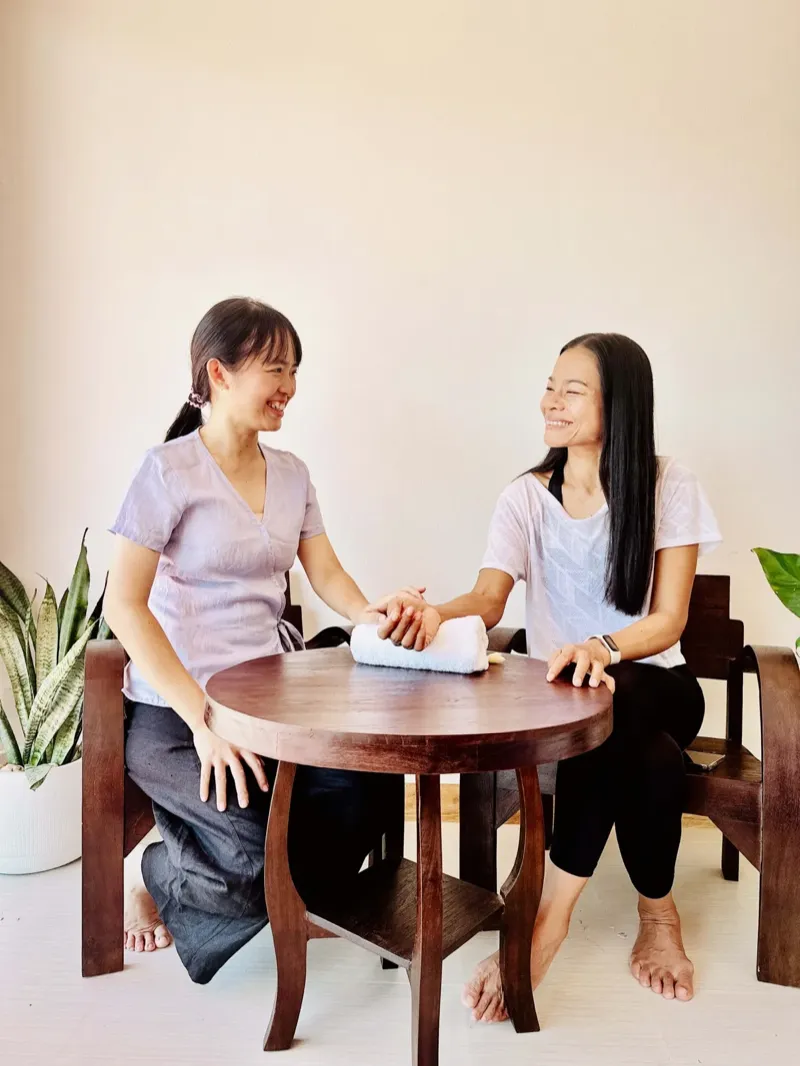
Claire holds both a Bachelor's and Master's degree in Traditional Chinese Medicine from Chengdu University of TCM, one of China's top TCM institutions. With over five years of clinical experience and fluency in Thai, Chinese, and English, she treats patients from more than 20 countries for everything from chronic pain and sleep problems to digestive issues and emotional health.
了解更多 →继续阅读
TCM for Insomnia: Why You Cannot Sleep and What to Do About It
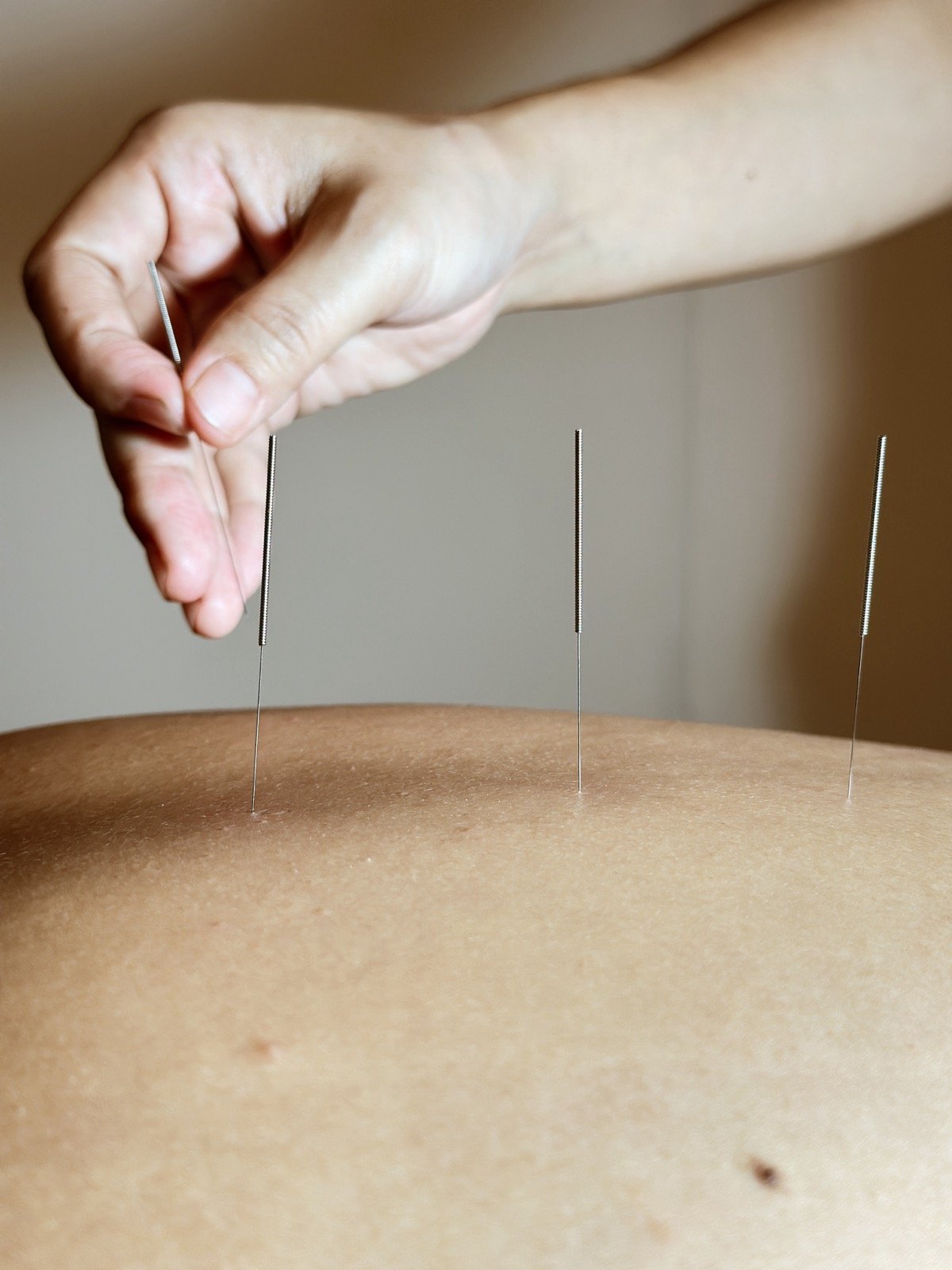
Discover how Traditional Chinese Medicine treats insomnia at its root. Learn the TCM patterns behind sleeplessness, acup
阅读全文 →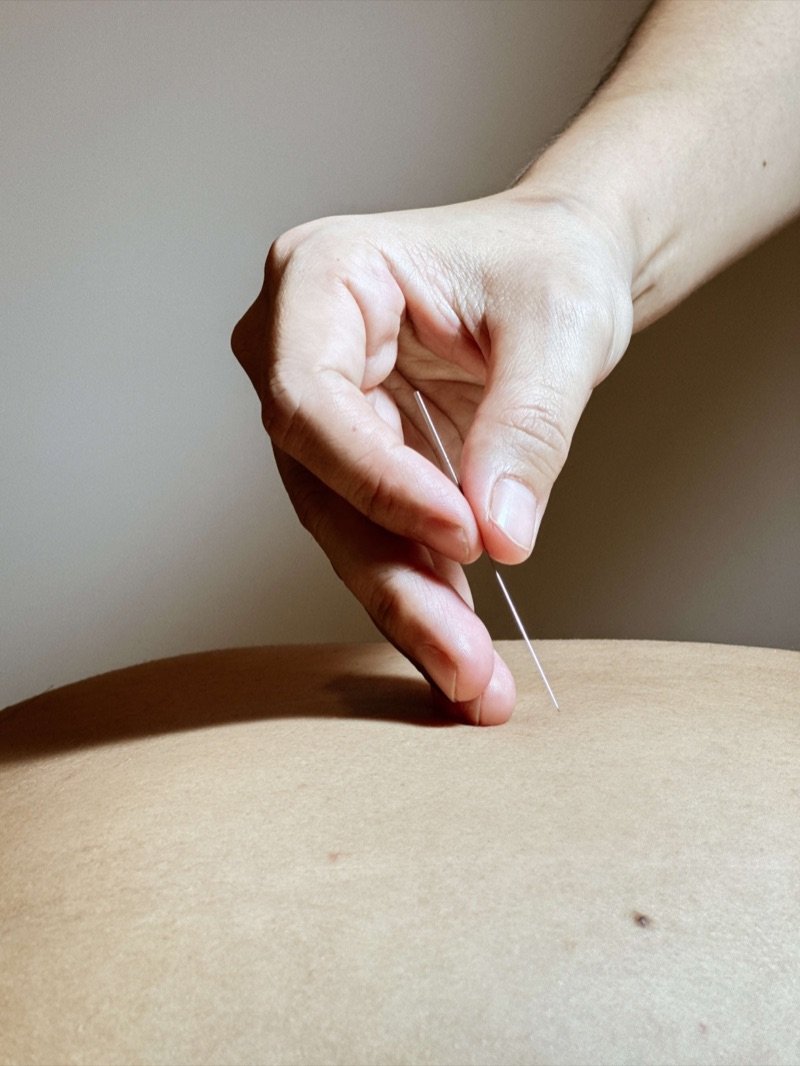
Acupuncture for Lower Back Pain and Sciatica: A Natural Path to Relief
How acupuncture treats lower back pain and sciatica naturally. Learn how TCM diagnoses back pain, what a treatment cours
阅读全文 →
TCM for PMS: Why You Have It and How to Actually Fix It
PMS is not something you have to endure every month. Traditional Chinese Medicine identifies the specific imbalance caus
阅读全文 →