What Is Moxibustion?
Moxibustion is one of the oldest healing techniques in Traditional Chinese Medicine, and one of the least understood outside of Asia. While acupuncture and cupping have become familiar to Western audiences, moxibustion remains something of a hidden treasure. Many patients who visit Piraluna have never heard of it until Claire introduces it during their treatment.
The practice involves burning a dried herb called mugwort (known as "moxa" in Chinese medicine) near the surface of the skin to warm specific acupuncture points or areas of the body. The heat penetrates deep into the tissue, stimulating circulation, strengthening energy, and promoting the body's natural healing processes.
Mugwort has been used medicinally for thousands of years across multiple cultures. In TCM, it holds a special status because of its unique ability to warm without burning, to penetrate deeply into the meridians, and to move stagnant energy in ways that no other herb can replicate. The classical TCM texts describe moxibustion as essential for conditions that acupuncture alone cannot fully address, particularly those involving cold, weakness, and depletion.
How Moxibustion Works in TCM
To understand why moxibustion is so effective, it helps to understand how TCM views temperature in the body.
In Chinese medicine, your body maintains a balance between warmth (yang energy) and coolness (yin energy). When this balance tips too far toward cold, you experience symptoms like fatigue, poor circulation, digestive sluggishness, dull aching pain that worsens in cold weather, cold hands and feet, and a general feeling of heaviness or depletion.
This is especially common in certain situations. Overwork and chronic stress drain yang energy over time. Eating too many cold and raw foods can weaken the digestive fire. Exposure to cold environments, including heavily air conditioned offices and bedrooms, allows cold to accumulate in the muscles and joints. Women are particularly susceptible during and after menstruation, postpartum, and during perimenopause, when yang energy naturally fluctuates.
Moxibustion directly addresses these patterns by infusing warmth into the meridians and organs that need it most. The burning mugwort emits a type of infrared heat that penetrates well beyond the skin surface, reaching the deeper layers of fascia, muscle, and connective tissue. This warmth expels cold, invigorates blood flow, and strengthens the body's core vitality.
From a modern research perspective, studies have shown that moxibustion increases local blood circulation, stimulates immune function, and activates anti inflammatory pathways. It has also been shown to influence white blood cell counts and improve hemoglobin levels, which helps explain why it has been used for thousands of years to support recovery from illness and fatigue.
What Does Moxibustion Feel Like?
Most patients are pleasantly surprised by how comfortable moxibustion is. The sensation is a gentle, penetrating warmth that spreads outward from the treatment point. Patients often describe it as deeply soothing, like sunlight warming you from the inside.
The warmth is never sharp or burning. Claire monitors the temperature carefully throughout the treatment and adjusts the distance of the moxa from the skin to keep it in the comfortable zone. If any point feels too hot, you simply say so and she adjusts immediately. You are always in control.
Many patients find moxibustion deeply relaxing. The warmth activates your parasympathetic nervous system (your body's rest and recovery mode), and it is common for patients to drift into a calm, drowsy state during the treatment. Combined with acupuncture in the same session, the effect can be profoundly settling.
There is one thing you will notice: the smell. Burning mugwort has a distinctive herbal, slightly smoky aroma. Most people come to associate it with relaxation after a session or two. At Piraluna, the treatment room is well ventilated, and the smoke is managed carefully. But if you are sensitive to smoke, let Claire know and she can use smokeless moxa sticks as an alternative.
What Conditions Does Moxibustion Treat?
Moxibustion is remarkably versatile. At Piraluna, Claire uses it frequently for the following conditions.
Chronic pain that worsens in cold or damp weather. If your lower back pain, knee pain, or joint stiffness gets worse on rainy days, after swimming, or when you sit in air conditioning, cold damp accumulation is likely part of the picture. Moxibustion is the treatment of choice for this pattern. The warmth drives out the cold and dampness, loosens the tissue, and often provides relief that lasts well beyond the session.
Digestive weakness. In TCM, the spleen and stomach are responsible for transforming food into energy. When the digestive fire is weak (a condition TCM calls "spleen yang deficiency"), you experience bloating, loose stools, fatigue after eating, poor appetite, and a heavy feeling in the body. Moxibustion on specific abdominal points can warm and strengthen the digestive system, improving nutrient absorption and reducing bloating.
Fatigue and low energy. If you feel chronically tired despite adequate sleep, if your energy drops in the afternoon, or if you feel cold easily, your yang energy may be depleted. Moxibustion is one of the most direct ways to build yang back up. Patients with this pattern often report a noticeable improvement in energy within the first few sessions.
Menstrual pain and irregularity. Moxibustion is widely used in TCM gynecology. Period pain that responds to warmth (like a hot water bottle on the abdomen), late or irregular cycles, scanty flow, and premenstrual fatigue all point toward cold in the uterus or blood deficiency. Moxibustion on lower abdominal points and specific leg points can warm the uterus, promote blood circulation, and regulate the menstrual cycle.
Sleep problems with cold extremities. If you struggle to fall asleep partly because your hands and feet are cold, or if you feel wired but physically exhausted at bedtime, moxibustion can help by warming the body's core and calming the nervous system. It is often added to acupuncture sleep protocols for patients who present with cold and depleted patterns.
Immune support and recovery from illness. Moxibustion on a point called Stomach 36, located below the knee, has been used for centuries to strengthen overall vitality and immune function. In classical TCM, it was recommended as a daily practice for longevity. Modern research supports this tradition, showing that moxibustion at this point can increase white blood cell activity and improve immune markers.
Direct and Indirect Moxibustion
There are two main ways to apply moxibustion, and the method used depends on the condition and the patient's preference.
Indirect moxibustion is the most common method used today. A moxa stick (a cigar shaped roll of compressed mugwort) is lit and held close to the skin over an acupuncture point. The practitioner moves the stick in small circles or holds it steady, maintaining a comfortable warmth. The moxa never touches the skin. This is the method Claire uses most frequently at Piraluna.
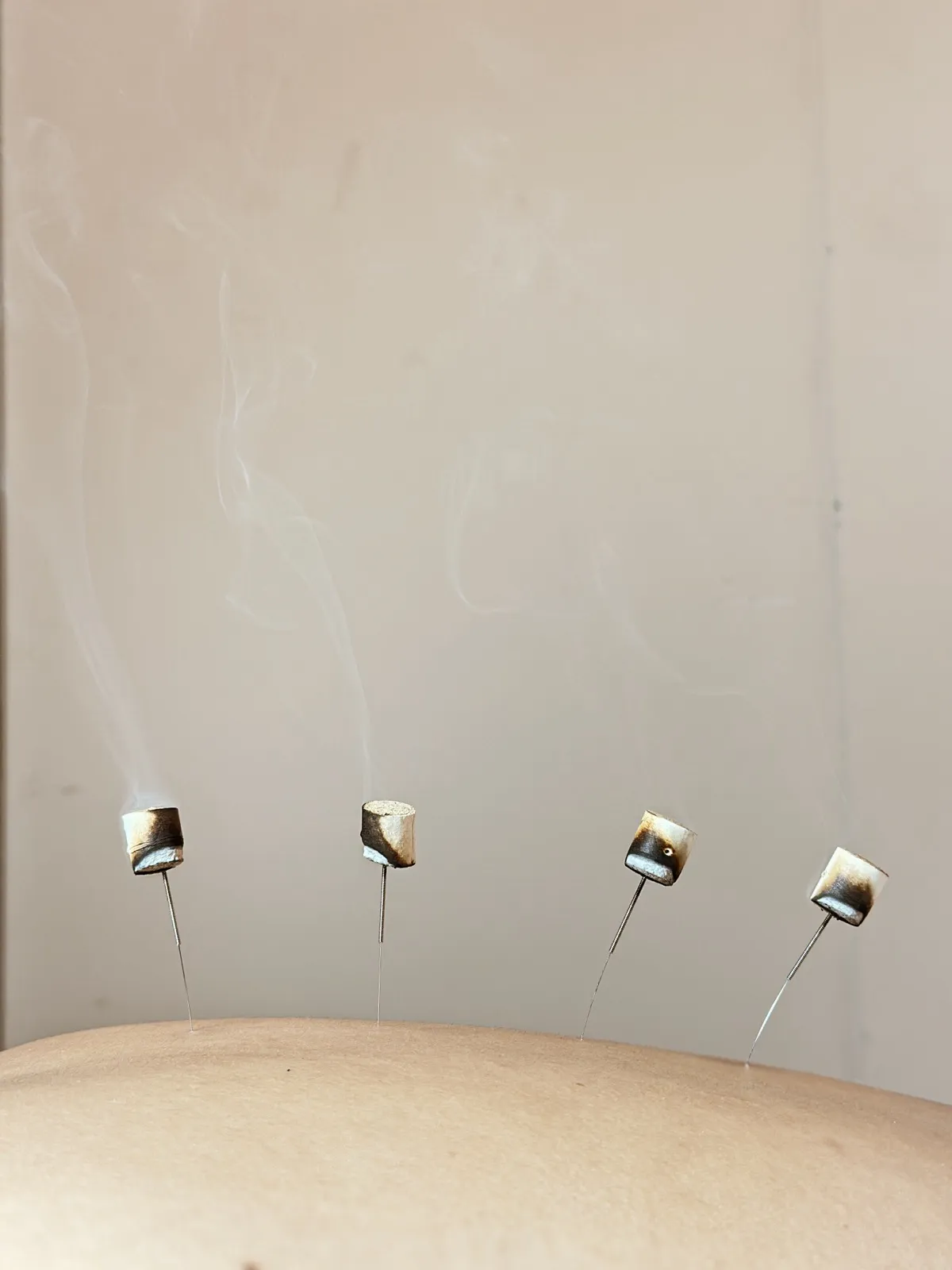
Another form of indirect moxibustion involves placing a small cone of moxa on top of a slice of ginger, garlic, or salt, which sits on the skin. The insulating layer protects the skin while allowing the heat and medicinal properties to penetrate. Ginger moxa is particularly useful for digestive issues. Salt moxa on the navel point is a classical technique for restoring energy after illness.
Direct moxibustion involves placing tiny cones of moxa directly on the skin and lighting them. The cone is removed or extinguished before it burns the skin. This method produces a more intense, focused warmth. It is commonly used in Japanese acupuncture traditions and is effective for very specific, stubborn conditions. Claire uses this technique selectively when the condition calls for it.
Both methods are safe when performed by a trained practitioner. The choice between them depends on the area being treated, the patient's constitution, and the specific therapeutic goal.
Moxibustion and Acupuncture: Better Together
In classical TCM, acupuncture and moxibustion were considered two halves of a single practice. The Chinese term for acupuncture, "zhenjiu," literally translates to "needle and fire." The texts describe certain conditions that respond best to needles, others that respond best to moxa, and many that require both.
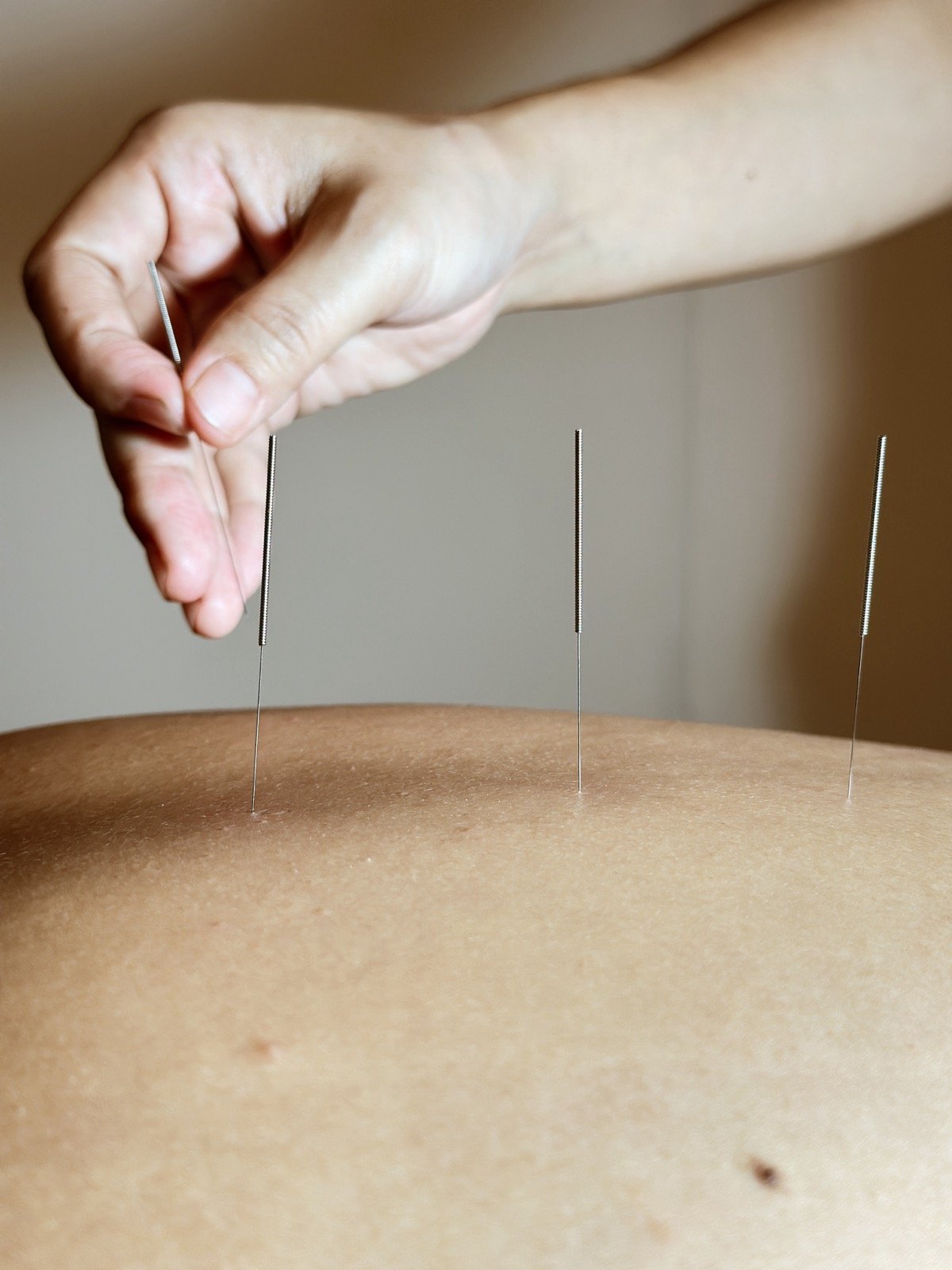
At Piraluna, Claire frequently combines the two in a single session. After placing the acupuncture needles, she may warm specific points with moxa while the needles rest. This combination amplifies the effect of both treatments. The needles guide and move qi along the meridians while the moxa provides the warmth and nourishment that the body needs to heal.
This combined approach is particularly effective for chronic conditions where there is both stagnation (qi and blood not moving) and deficiency (not enough energy to power the healing process). Acupuncture addresses the stagnation. Moxibustion builds the energy. Together, they create conditions where genuine, lasting recovery becomes possible.
Patients who receive both acupuncture and moxibustion in the same session often report a deeper level of relaxation and a longer lasting sense of warmth and wellbeing than with either technique alone. The combination is one of the most satisfying treatments we offer at the clinic.
What a Moxibustion Session at Piraluna Looks Like
If you have visited Piraluna before for acupuncture, your moxibustion experience will feel familiar in structure. If this is your first visit, here is what to expect.
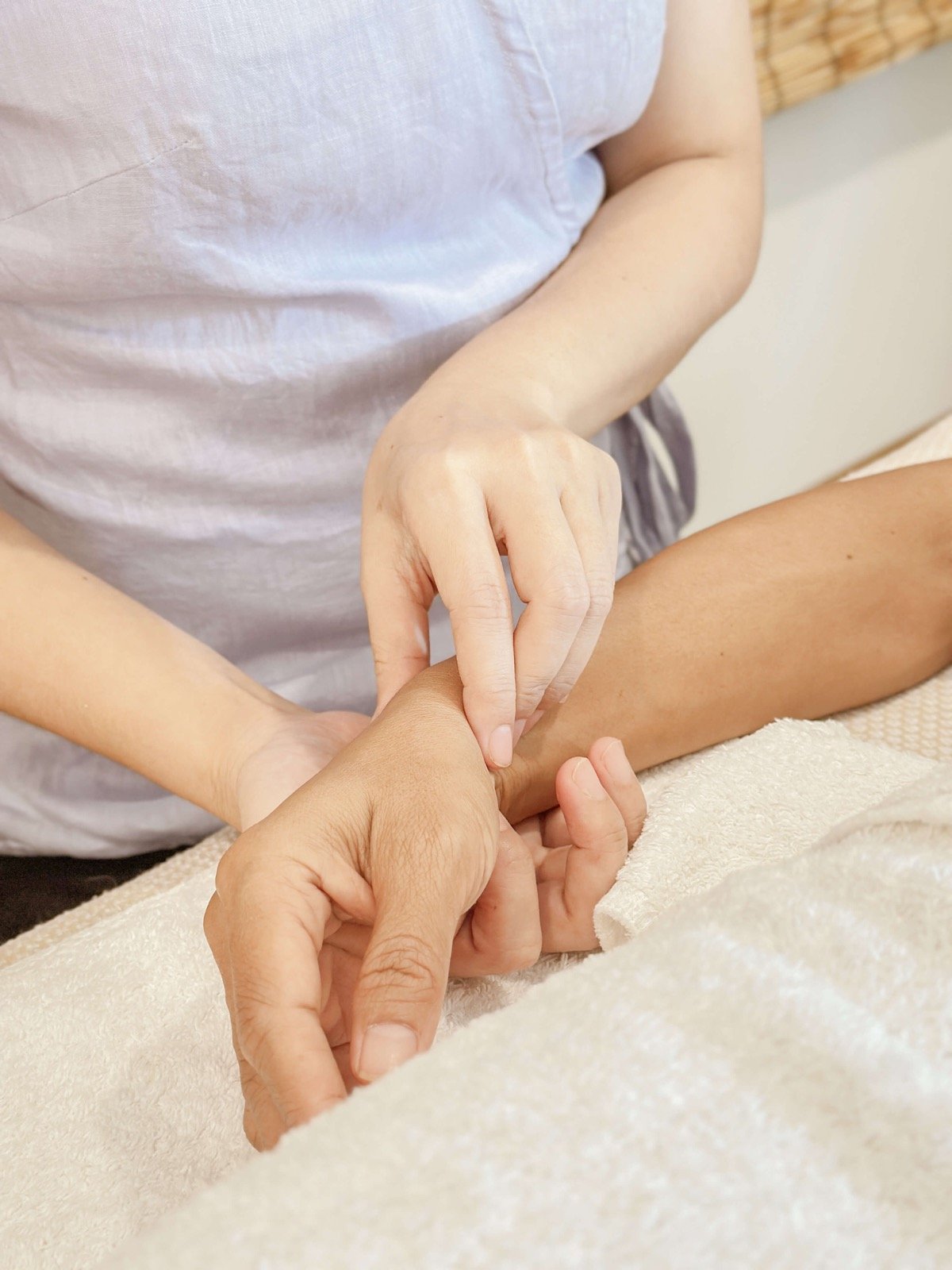
Claire will start with a consultation to understand your condition and identify the TCM pattern behind your symptoms. She will check your pulse and tongue and ask about your symptoms, energy levels, temperature preferences, and overall health. This assessment determines whether moxibustion is appropriate for you and which points to target.
During the treatment, you will lie comfortably on the treatment table. If acupuncture is part of the session, the needles will be placed first. Then Claire will light a moxa stick and hold it over the selected points. You will feel a gradual warmth building at each point. She will ask you to let her know when the warmth reaches a comfortable intensity, and she will maintain that level for several minutes per point.
A typical moxibustion treatment covers three to eight points, depending on the condition. The entire session, including acupuncture, usually lasts 45 to 60 minutes. Afterward, you may feel pleasantly warm, relaxed, and grounded. Many patients describe a feeling of calm energy that lasts for the rest of the day.
Some patients notice a slight redness at the treated points after the session. This is normal and fades within a few hours. It is simply a sign that blood circulation has been stimulated in the area.
Is Moxibustion Right for You?
If you recognize yourself in any of the patterns described above, there is a good chance moxibustion could make a meaningful difference for you. The most telling signs are: you feel cold easily, your energy is low, your pain or stiffness worsens in cold or damp conditions, your digestion feels sluggish, or you have menstrual issues that improve with warmth.
Moxibustion is not appropriate for everyone. It is generally avoided for patients with heat conditions (feeling hot all the time, inflammation, red skin, fever) because adding warmth would make these worse. Claire will assess your pattern during the consultation and recommend the right combination of techniques for your specific situation.
At Piraluna, moxibustion is one of several tools Claire draws from to create treatments that fit your body and your condition. Whether it becomes a central part of your treatment or a supporting element alongside acupuncture and cupping, the goal is always the same: to help your body return to balance and stay there.
Book a session at Piraluna and discover what this ancient warming therapy can do for you.
Want to start taking care of your health at home? Download our free acupressure guide for better sleep and learn three points you can use tonight.