That First Step Out of Bed Should Not Hurt
If you dread that first step in the morning because a searing pain shoots through the bottom of your foot, you likely have plantar fasciitis. It is the most common cause of heel pain, affecting roughly two million people per year. The condition develops when the thick band of tissue (the plantar fascia) running along the bottom of your foot from heel to toes becomes inflamed, irritated, or develops microtears from repetitive stress.
Acupuncture for plantar fasciitis offers a treatment option that addresses not just the local inflammation but the underlying patterns that caused the tissue to break down in the first place. Whether your heel pain is recent or has been grinding you down for months, understanding how acupuncture approaches this condition may change how you think about treatment.
Why Plantar Fasciitis Develops
The plantar fascia acts as a shock absorber and supports the arch of your foot with every step. When the stress on this tissue exceeds its ability to repair, inflammation and microtearing develop, typically at the point where the fascia attaches to the heel bone.
Common contributing factors include prolonged standing (especially on hard surfaces), sudden increases in activity, tight calf muscles that transfer excess load to the foot, unsupportive footwear, and excess body weight. Runners, hikers, and anyone who spends long hours on their feet are particularly vulnerable.
What makes plantar fasciitis so frustrating is the cycle it creates. The tissue is stressed during the day and attempts to heal overnight while you sleep. But those overnight repairs are fragile, and the first steps of the morning tear through the newly forming tissue, restarting the inflammation cycle. This is why the pain is characteristically worst with the first few steps after rest and tends to ease somewhat with movement before worsening again after prolonged activity.
How TCM Views Plantar Fasciitis
Traditional Chinese Medicine does not see plantar fasciitis as an isolated foot problem. The location of the pain, the quality of the pain, and the circumstances that triggered it all point to specific patterns that inform treatment.
Kidney deficiency is the most common underlying pattern in TCM for chronic heel pain. The Kidneys in TCM govern the bones and the lower body, and the Kidney meridian begins at the sole of the foot (at Kidney 1, Yongquan). When Kidney energy is depleted, whether from overwork, aging, chronic stress, or insufficient rest, the lower body weakens first. Heel pain, lower back pain, knee weakness, and fatigue often appear together in this pattern. If your plantar fasciitis came on during a period of exhaustion, overwork, or life stress, Kidney deficiency is likely involved.
Blood stagnation describes the local pathology. When circulation to the plantar fascia is poor, the tissue cannot heal between episodes of stress. Metabolic waste products accumulate, inflammation becomes chronic, and the tissue develops the kind of stubborn, fixed, sharp pain that characterizes established plantar fasciitis. This pattern explains why the condition so often becomes chronic despite rest: the tissue is not receiving adequate blood supply to complete its repair.
Cold damp invasion is relevant for patients whose heel pain worsens in cold, wet weather or after walking on cold surfaces. In TCM, cold constricts and dampness obstructs. Together they slow circulation to the extremities and make the tissue stiff and painful. This pattern is less common in tropical Koh Samui but very relevant for patients who developed their plantar fasciitis in colder climates.
Liver blood deficiency affects the tendons and sinews. In TCM, the Liver nourishes all tendons in the body, including the plantar fascia. When Liver blood is deficient (common in people who are chronically stressed, who sleep poorly, or who menstruate heavily), the tendons become brittle and prone to injury. This pattern explains why some people develop plantar fasciitis from activities that should not cause injury, and why the tissue heals so slowly.
How Acupuncture Treats Plantar Fasciitis
Acupuncture addresses plantar fasciitis through multiple mechanisms that work on both the local tissue and the systemic patterns contributing to the problem.
Pain relief. Acupuncture stimulates the release of endorphins and enkephalins, your body's natural painkillers. It also modulates pain signaling in the spinal cord and brain, reducing the amplified pain response that develops in chronic conditions. Many patients experience significant pain reduction during their first session.
Increased blood flow. Needle insertion near the affected area triggers a local vasodilation response, increasing blood supply to the plantar fascia. This enhanced circulation delivers oxygen and nutrients needed for tissue repair and removes the inflammatory metabolites that perpetuate the pain cycle. Research using Doppler ultrasound has confirmed that acupuncture increases blood flow to targeted tissue areas.
Reduced inflammation. Acupuncture has been shown to downregulate pro-inflammatory cytokines and upregulate anti-inflammatory mediators. For plantar fasciitis, this means addressing the chronic low grade inflammation that prevents healing without the side effects of long term NSAID use.
Myofascial release. Tight calf muscles (gastrocnemius and soleus) and the Achilles tendon directly affect tension on the plantar fascia. Acupuncture points along the calf and the Bladder meridian running down the back of the leg release this proximal tension, reducing the mechanical load on the foot. This is something orthotics and heel cups cannot do.
Constitutional treatment. By addressing the Kidney deficiency, Liver blood deficiency, or other systemic patterns contributing to the condition, acupuncture supports the body's overall capacity to heal. This is what makes the TCM approach different from treatments that focus exclusively on the foot.
What the Research Says
A randomized controlled trial published in the journal Acupuncture in Medicine found that acupuncture produced significant reductions in plantar fasciitis pain compared to sham acupuncture, with effects lasting at least six weeks beyond the treatment period. The real acupuncture group showed a 34 percent improvement in morning pain scores.
A systematic review in the Journal of Clinical Medicine examining multiple trials concluded that acupuncture is an effective treatment for plantar heel pain, with outcomes comparable to corticosteroid injection but without the risks of tendon rupture or fat pad atrophy associated with repeated steroid injections.
Electroacupuncture, which adds mild electrical stimulation to the needles, has shown particularly strong results for plantar fasciitis. A study in the Chinese Journal of Integrative Medicine found that electroacupuncture was more effective than conventional acupuncture alone for reducing heel pain and improving function.
Key Acupuncture Points for Plantar Fasciitis
While professional treatment uses a customized point selection based on your individual pattern, several points are commonly central to plantar fasciitis protocols.
Kidney 1 (Yongquan). Located on the sole of the foot in the depression that forms when you curl your toes. This is the starting point of the Kidney meridian and directly addresses heel and sole pain while tonifying the Kidney energy that governs the lower body.
Bladder 57 (Chengshan). In the center of the calf, at the point where the two heads of the gastrocnemius muscle meet. This point releases calf tension that pulls on the Achilles tendon and indirectly increases strain on the plantar fascia. Many patients feel immediate loosening in the back of the leg when this point is needled.
Bladder 60 (Kunlun). In the depression between the outer ankle bone and the Achilles tendon. This point is a primary point for heel pain in TCM and also addresses stiffness and pain along the entire posterior chain from the lower back through the leg to the foot.
Kidney 3 (Taixi). In the depression between the inner ankle bone and the Achilles tendon. This point tonifies the Kidneys and nourishes the lower body. It is essential in protocols where Kidney deficiency is contributing to the heel pain.
For self care between sessions, you can press Kidney 1 firmly with your thumb for one to two minutes several times daily. Rolling a tennis ball or frozen water bottle under your foot also helps maintain circulation to the plantar fascia.
What Treatment at Piraluna Looks Like
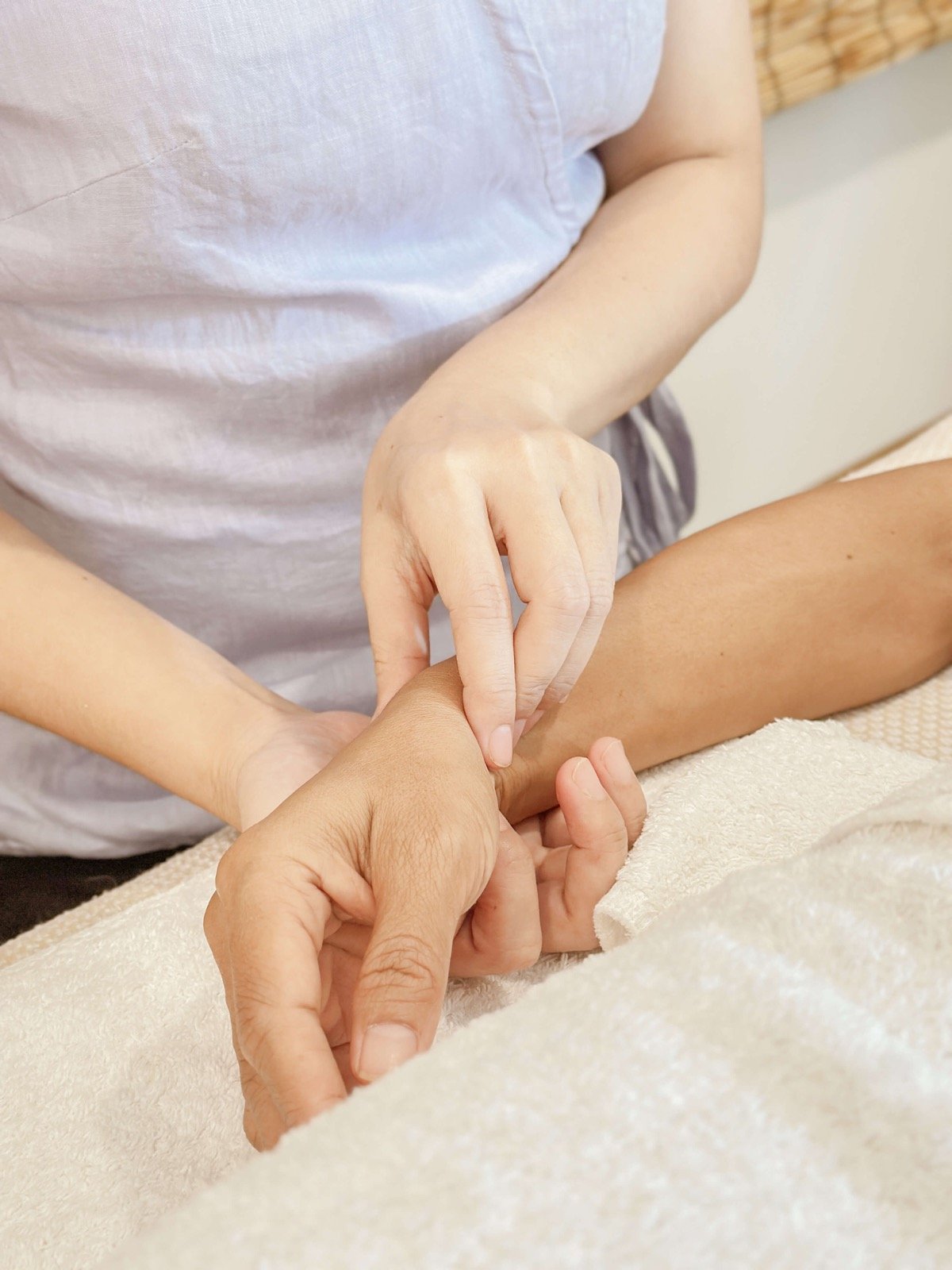
When you visit Piraluna for plantar fasciitis, Claire begins with a thorough assessment that goes beyond your feet. She examines your pulse, checks your tongue, asks about your energy, sleep, stress levels, and overall health history, all to identify the systemic pattern behind your local symptoms.
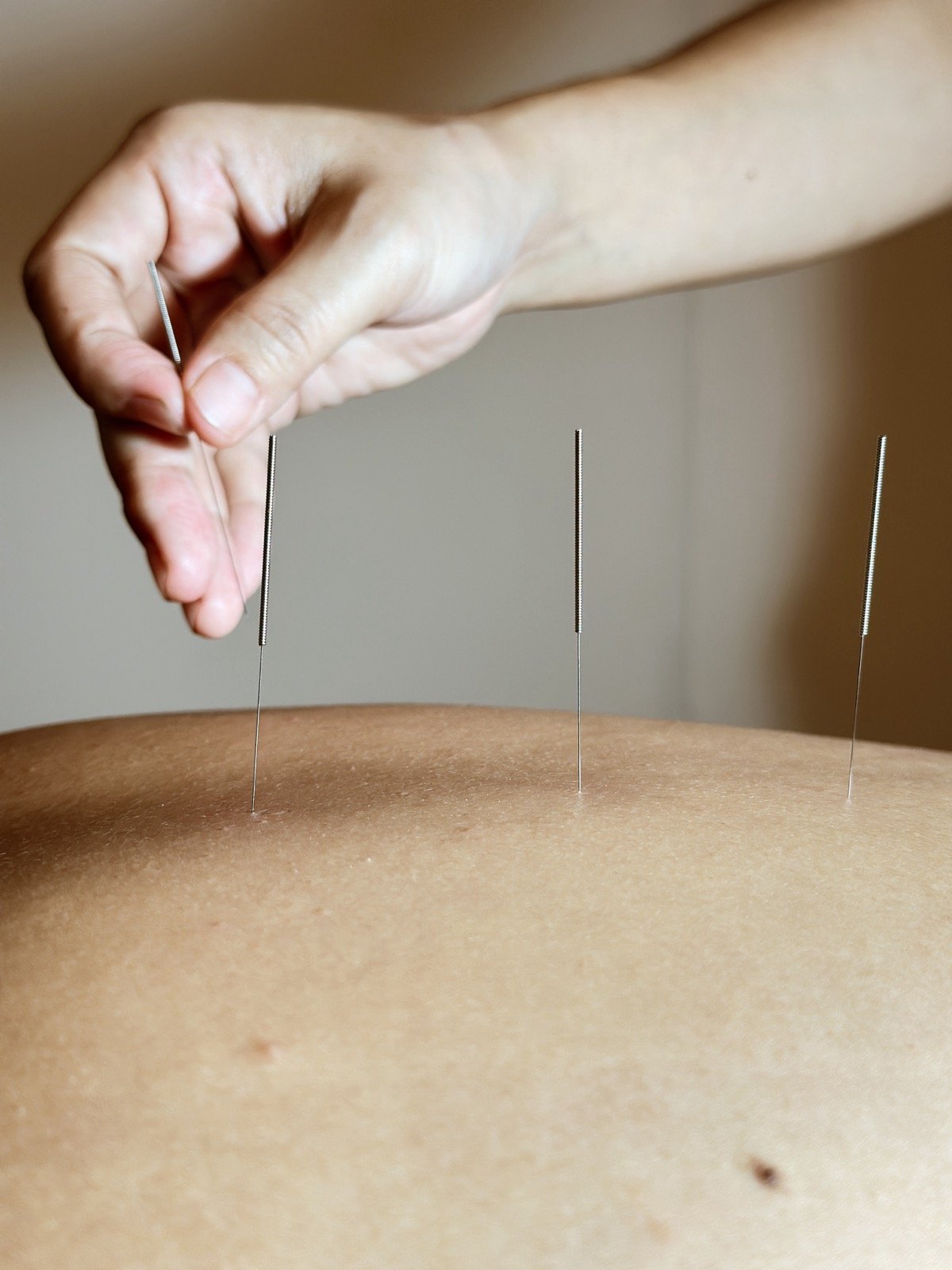
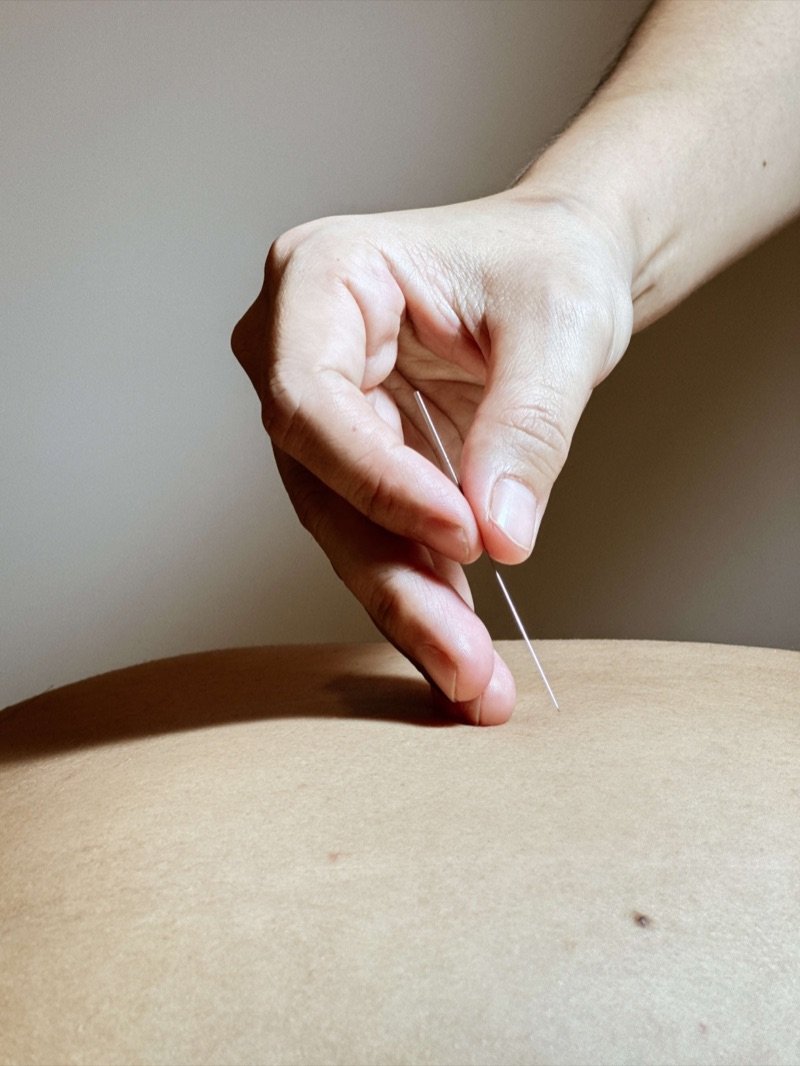
Treatment typically involves needles on the affected foot, the calf and lower leg, the lower back (if Kidney deficiency is present), and potentially the opposite hand or arm (using mirror point techniques that are remarkably effective for extremity pain). Cupping on the calf muscles may be added to release the posterior chain tension that feeds into plantar fascia strain.
Sessions last approximately 60 minutes. Most patients feel noticeable relief after the first two to three sessions. A typical treatment course for plantar fasciitis involves six to ten sessions, with frequency starting at twice weekly and tapering to once weekly as improvement builds.
For acute cases (less than three months duration), resolution within four to six sessions is common. For chronic cases that have persisted for six months or longer, eight to twelve sessions may be needed, but meaningful progress is usually evident by the fourth or fifth treatment.
Patients visiting Koh Samui who are dealing with foot pain from hiking, running, or long days of walking and exploring can often achieve significant relief within a compressed treatment schedule. Claire will give you an honest assessment of what is realistic given your timeline and your condition.
What You Can Do Between Sessions
Supporting your treatment between sessions significantly accelerates recovery.
Calf stretching. Tight calves are the number one aggravating factor for plantar fasciitis. Stand facing a wall with one foot forward and one back. Keep the back heel on the ground and lean into the wall until you feel a stretch in the back calf. Hold for 30 seconds, repeat three times on each side, at least twice daily.
Avoid going barefoot on hard surfaces. The plantar fascia needs support while it heals. Wear supportive footwear even indoors during the acute phase.
Ice after activity, heat before. Apply ice to the heel for 10 to 15 minutes after prolonged standing or walking to reduce inflammation. Use warmth (a warm foot soak with Epsom salt) before bed to increase circulation and support overnight healing.
Rest adequately. From a TCM perspective, rest is when the Kidneys regenerate. If Kidney deficiency is part of your pattern, pushing through fatigue and under sleeping will slow your recovery regardless of how much treatment you receive. Prioritize quality sleep and reduce your overall stress load during your treatment course.
Stop Walking on Eggshells
Plantar fasciitis does not have to dictate how you move through your day. Acupuncture offers a proven, drug free approach that addresses both the painful tissue and the underlying patterns that prevent healing. Whether your heel pain is new or has been following you for years, TCM treatment can help you get back on your feet.
If you are in Koh Samui and tired of limping through your mornings, book a session at Piraluna. Claire will assess your pattern, create a targeted treatment plan, and help you walk pain free again.
Can acupuncture cure plantar fasciitis?
Acupuncture is highly effective for plantar fasciitis. Clinical trials show it produces significant pain reduction comparable to corticosteroid injections but without the side effects. Most patients experience meaningful improvement within four to six sessions for acute cases and eight to twelve sessions for chronic cases. Acupuncture addresses both the local inflammation and the systemic patterns that caused the tissue to break down.
How many acupuncture sessions are needed for plantar fasciitis?
Acute plantar fasciitis (less than three months) typically requires four to six sessions. Chronic cases that have persisted for six months or longer usually need eight to twelve sessions. Sessions are initially scheduled twice weekly, tapering to once weekly as pain improves. Most patients notice meaningful relief after the first two to three sessions.
Where do acupuncture needles go for plantar fasciitis?
Acupuncture for plantar fasciitis uses points on the sole of the foot, around the heel and ankle, along the calf muscles, and potentially on the lower back. Key points include Kidney 1 on the sole, Bladder 57 in the calf, and Bladder 60 and Kidney 3 around the ankle. Points on the opposite hand may also be used as mirror points. The exact selection depends on your individual TCM pattern diagnosis.