Insomnia Is Not Just About Sleep
You lie in bed. Your body is exhausted but your mind will not stop. Thoughts loop endlessly, replaying the day, planning tomorrow, worrying about things you cannot control at 2am. Or maybe you fall asleep fine but wake at 3am with your heart racing, then spend the next two hours staring at the ceiling before the alarm goes off.
Insomnia takes many forms. Some people struggle to fall asleep. Others fall asleep quickly but wake repeatedly through the night. Some sleep lightly and never feel rested no matter how many hours they spend in bed. And for many people, insomnia shows up differently depending on the week, the season, or what is happening in their life.
What all forms share is the same downstream damage. Chronic poor sleep erodes your concentration, your patience, your immune system, your digestion, and your emotional resilience. It makes anxiety worse, pain harder to manage, and healing slower. If you have been dealing with insomnia for months or years, you already know this. You feel it in every part of your life.
The conventional approach (sleeping pills, melatonin supplements, sleep hygiene checklists) treats insomnia as a single problem with a single solution. Traditional Chinese Medicine sees it differently. In TCM, insomnia is a symptom with many possible root causes. Identifying your specific pattern is the key to treating it effectively and permanently.
How TCM Understands Sleep
In Traditional Chinese Medicine, sleep is governed by the concept of Shen. Shen is often translated as "spirit" or "mind," but it is more accurately understood as the quality of your consciousness, your ability to think clearly during the day and rest deeply at night. Shen resides in the Heart (capitalized because in TCM, the Heart is more than the physical organ; it encompasses your emotional center and mental clarity).
When the Heart is nourished and calm, Shen settles naturally at night. You fall asleep without effort, sleep soundly, and wake feeling restored. When something disturbs the Heart, whether that is emotional turmoil, overwork, physical depletion, or internal heat, Shen becomes restless. It cannot settle. And when Shen cannot settle, you cannot sleep.
TCM also frames sleep through the lens of yin and yang. Yang energy is active, warm, and outward. It dominates during the day, driving your alertness and activity. Yin energy is quiet, cool, and inward. It rises in the evening and should naturally draw yang energy inward, allowing your body and mind to rest. Insomnia often signals that this yin and yang transition is not happening properly. Either yin is too weak to anchor yang (so your mind stays active), or something is generating excess heat or agitation that pushes yang upward when it should be descending.
This framework explains something that Western sleep medicine often overlooks: why your insomnia has a specific pattern. The time you wake up, the quality of your thoughts, and the physical sensations you experience during sleeplessness all point to which organ system is out of balance. TCM practitioners use these clues the way a detective uses evidence, to identify the exact mechanism keeping you awake.
The Organ Clock and What Your Wake Up Time Reveals
TCM teaches that qi flows through each organ system in a predictable two hour cycle throughout the day and night. This is called the organ clock, and it is remarkably useful for diagnosing insomnia patterns.
Difficulty falling asleep (before 11pm). The hours between 9pm and 11pm belong to the Triple Burner, which governs the body's thermoregulation and fluid metabolism. If you consistently struggle to fall asleep during this window, it often points to excess heat in the body or an overactive nervous system that has not downshifted from the day. Stress, screen exposure, and eating late all worsen this pattern.
Waking between 11pm and 1am. This is the Gallbladder's peak time. The Gallbladder in TCM is connected to decision making, courage, and the ability to process the events of the day. Waking during these hours often correlates with unresolved frustration, indecision, or difficulty letting go of the day's challenges. It frequently accompanies Liver qi stagnation, the classic stress pattern.
Waking between 1am and 3am. This is the Liver's peak time and the most common insomnia pattern we see at Piraluna. The Liver is responsible for the smooth flow of qi and for processing emotions, particularly anger, frustration, and resentment. Waking during these hours, especially if accompanied by feelings of agitation, jaw clenching, or an inability to stop your mind from racing, strongly suggests Liver imbalance. Alcohol consumption, even moderate amounts, frequently triggers this pattern because the Liver is working overtime to process it during these peak hours.
Waking between 3am and 5am. These hours belong to the Lungs. Waking during this window can indicate grief, sadness, or a sense of loss that has not been fully processed. It is also associated with Lung qi deficiency, which may show up as shallow breathing, a tendency to sigh frequently, or catching colds easily. In tropical climates like Koh Samui, air conditioning that is too cold during these hours can also trigger Lung time waking.
Waking between 5am and 7am (too early). This is the Large Intestine's time. Early waking that feels abrupt and final, where you cannot fall back asleep, often relates to digestive stagnation or an inability to "let go" on both a physical and emotional level. It may accompany digestive problems like constipation or bloating.
The Five TCM Insomnia Patterns
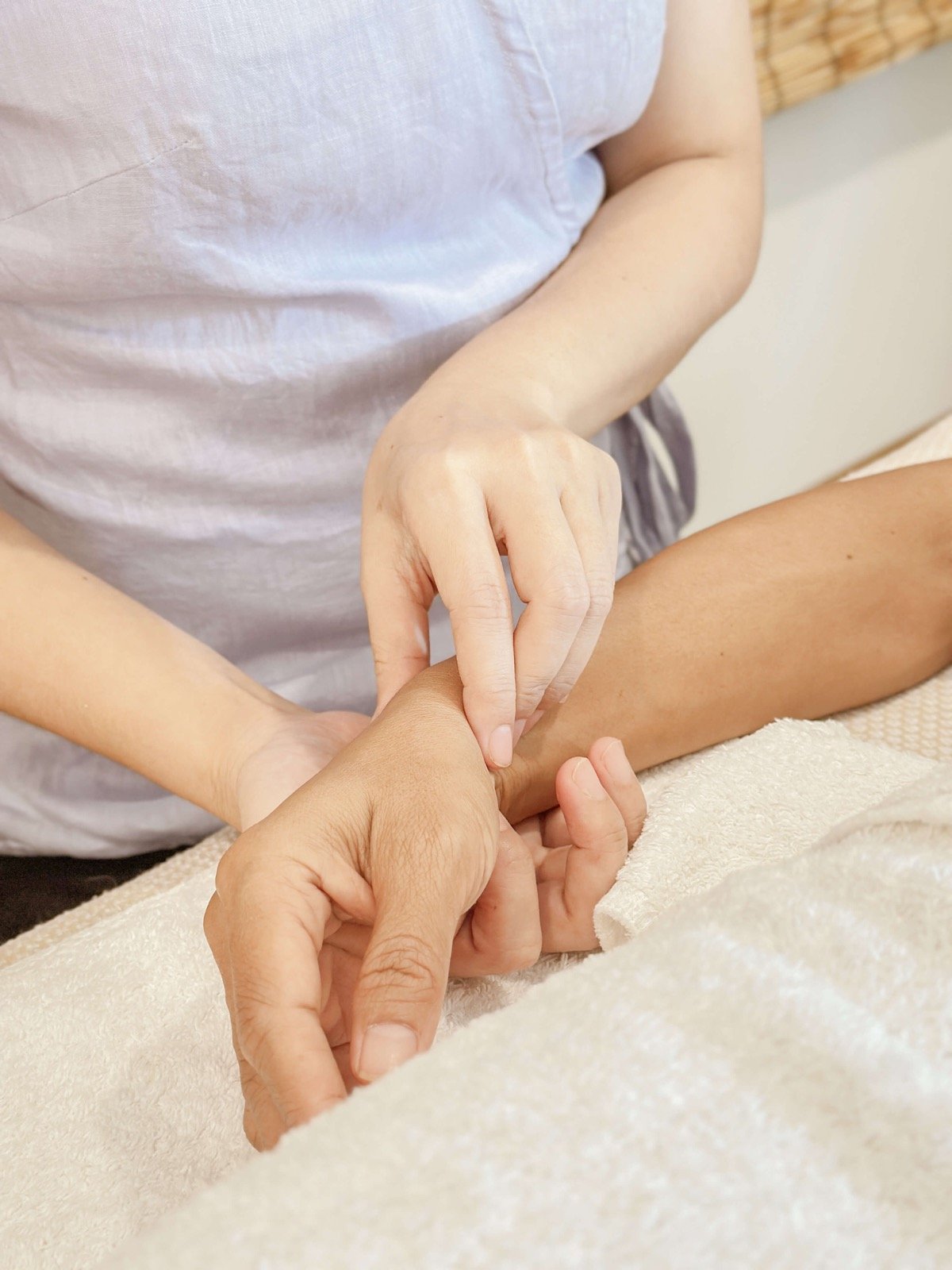
When you visit a TCM practitioner for insomnia, the assessment goes far beyond asking "do you have trouble sleeping?" Claire examines your pulse, studies your tongue, and asks detailed questions about the nature of your sleeplessness, your emotional state, your energy levels, your digestion, and your overall health. This information reveals which pattern is driving your insomnia.
Heart blood deficiency. This is one of the most common insomnia patterns, particularly among women and people who work long hours. You feel tired but wired. Your mind races with scattered, anxious thoughts that do not follow a logical thread. You may experience heart palpitations, dizziness when standing, poor memory, and a pale complexion. Your sleep is light and fragmented, full of vivid or disturbing dreams. This pattern develops from chronic overwork, excessive mental strain, blood loss (including heavy menstruation), or poor nutrition. The Heart literally does not have enough blood to anchor Shen, so your consciousness floats restlessly all night.
Liver qi stagnation with heat. This is the classic stress insomnia pattern. You cannot fall asleep because your mind is churning through problems, arguments, and frustrations. When you finally drift off, you wake between 1am and 3am feeling hot, agitated, and sometimes angry. You may have headaches, a bitter taste in your mouth upon waking, red or dry eyes, and a short temper during the day. This pattern builds when emotional stress is suppressed or unresolved over weeks or months. The Liver tightens, generates heat, and that heat rises to disturb the Heart and Shen.
Kidney yin deficiency. This pattern is common in people over 40, in those who have pushed through years of chronic stress, and in women approaching or going through menopause. The insomnia here often involves waking in the second half of the night with night sweats, hot flashes, or a feeling of heat in the palms, soles, and chest. You feel a deep, bone level fatigue during the day but a restless wakefulness at night. Your throat and mouth may feel dry. This pattern reflects a depletion of the body's cooling, nourishing yin substance, which normally keeps yang energy in check during sleep. Without adequate yin, yang floats upward unchecked, generating heat and restlessness.
Heart and Kidney not communicating. In healthy sleep, the Heart (fire, above) and Kidneys (water, below) maintain a dynamic balance. Heart fire descends to warm the Kidneys, and Kidney water rises to cool the Heart. When this communication breaks down (usually from chronic stress or aging), Heart fire stays trapped above, creating mental restlessness and difficulty sleeping, while the lower body feels cold. You cannot sleep, feel anxious and overheated in your upper body, but your feet are cold. This is one of the more stubborn insomnia patterns and often requires longer treatment.
Phlegm heat disturbing the Heart. This pattern shows up when poor digestion creates an accumulation of dampness and phlegm (in the TCM sense, not just respiratory phlegm) that generates heat and rises to cloud the Heart. Sleep is heavy but unrefreshing. You wake feeling groggy, foggy, and unrested. Dreams are strange and disordered. During the day, you may feel chest tightness, nausea, or a thick coating on your tongue. This pattern often accompanies overeating, excessive alcohol, or a diet heavy in greasy and rich foods.
How Acupuncture Treats Insomnia
Acupuncture is one of the most effective treatments for chronic insomnia, and research increasingly supports what TCM practitioners have observed for centuries.
From a modern perspective, acupuncture works on insomnia through several mechanisms. It stimulates the parasympathetic nervous system, shifting your body from the fight or flight state that keeps you awake into the rest and digest mode necessary for sleep. It increases production of melatonin, the hormone that regulates your sleep and wake cycle. It reduces cortisol, the stress hormone that is often elevated in people with chronic insomnia. And it modulates neurotransmitters like GABA and serotonin that directly influence sleep quality and mood.
What makes acupuncture different from sleeping pills is that it does not force sleep. Instead, it removes the obstacles preventing your body from sleeping naturally. A sleeping pill overrides your nervous system. Acupuncture rebalances it. This is why the effects of acupuncture treatment tend to build over time and last after treatment ends, while sleeping pills stop working the moment you stop taking them.
From a TCM perspective, the point prescription is customized to your specific pattern. Treatment for Heart blood deficiency focuses on nourishing blood and calming Shen. Treatment for Liver qi stagnation focuses on releasing the stuck energy and clearing heat. Treatment for Kidney yin deficiency focuses on rebuilding the cooling, nourishing substance that anchors sleep. This is why two patients with insomnia may receive completely different treatments, and why a practitioner who understands pattern differentiation gets better results than one who uses the same generic "sleep points" for everyone.
Many patients report improvement after the very first session. It is common to sleep more deeply the night of treatment. The full effect typically builds over a course of four to eight sessions, with each treatment deepening and stabilizing the improvement.
Acupressure Points You Can Use Tonight
Between clinic visits (or if you want to start helping yourself right now), these acupressure points can calm your nervous system and prepare your body for sleep. Press each point firmly with your thumb for one to two minutes, breathing slowly and deeply while you press. Do this 30 minutes before bed as part of a wind down routine.
Heart 7 (Shenmen). This is the most important point for calming the mind. Find the crease on the inner side of your wrist where it bends. Follow the crease from the pinky side inward until you feel a small depression just inside the tendon. Press firmly and breathe. This point nourishes Heart blood, calms Shen, and quiets the racing mind. It is particularly effective for the Heart blood deficiency pattern.
Kidney 1 (Yongquan). This point sits on the sole of your foot, in the depression that forms when you curl your toes. It is roughly one third of the way from the base of the toes to the heel. Press firmly with your thumb or roll a tennis ball under your foot. This point draws excess energy downward, away from the overactive mind. It is especially helpful for patterns involving heat rising upward (night sweats, hot flashes, racing thoughts). Pressing this point before bed literally grounds your energy.
Anmian (Extra Point). This point sits behind your ear, in the depression between the base of the skull and the jaw. Place your fingers behind your earlobe, then slide them slightly back and up until you feel a tender hollow. Press gently and hold. This point's name translates directly to "peaceful sleep" in Chinese. It is one of the most effective points for inducing drowsiness and is used in clinic for nearly every insomnia patient.
Pericardium 6 (Neiguan). Place three fingers across your inner wrist, starting from the wrist crease. The point sits between the two tendons, at the level of your third finger. Press firmly. This point calms the chest, settles the Heart, and reduces that anxious, tight feeling that often accompanies nighttime wakefulness. It also helps with nausea and chest tightness, making it useful for the Phlegm heat pattern.
For a more detailed guide including illustrations and a complete bedtime acupressure routine, download our free acupressure sleep guide. It covers the three most effective sleep points with step by step instructions you can follow tonight.
What to Do Before Bed: TCM Evening Practices
Acupressure works best when combined with habits that support your body's natural transition into sleep.
Warm your feet. In TCM, cold feet signal that energy is trapped in the upper body (especially the head) rather than circulating downward. Soaking your feet in warm water for 10 to 15 minutes before bed draws qi and blood downward, away from your busy mind. Add a few slices of fresh ginger to the water for additional warming effect. This simple practice has been prescribed in Chinese medicine for centuries and remains one of the most effective pre sleep rituals.
Stop eating three hours before sleep. When your Stomach is still processing food at bedtime, it generates activity and heat that interfere with the yin quietness your body needs. Late night eating is especially disruptive for the Phlegm heat and Stomach heat patterns. If you must eat in the evening, keep it light and warm: a small bowl of congee, some lightly steamed vegetables, or a cup of warm bone broth.
Dim your lights after sunset. This aligns with TCM's understanding of yin and yang: as natural light fades, your body should begin its shift from active yang to restful yin. Bright screens and overhead lighting tell your nervous system it is still daytime. Switching to warm, low lighting after 8pm supports the natural descent of yang energy. This is not just TCM philosophy; modern research confirms that blue light exposure suppresses melatonin production and delays sleep onset.
Breathe with your diaphragm. Lie on your back and place one hand on your chest and one on your belly. Breathe so that only the belly hand rises. Inhale for four counts, hold for seven, exhale slowly for eight. This activates the vagus nerve and shifts your nervous system into parasympathetic mode. Five minutes of this breathing pattern can reduce cortisol levels and prepare your body for sleep more effectively than any supplement.
Avoid cold drinks in the evening. Cold beverages constrict circulation and can trap heat internally, particularly in the Liver and Stomach. Warm chamomile tea, chrysanthemum tea, or simply warm water supports the downward, inward movement of energy that sleep requires.
What Treatment at Piraluna Looks Like
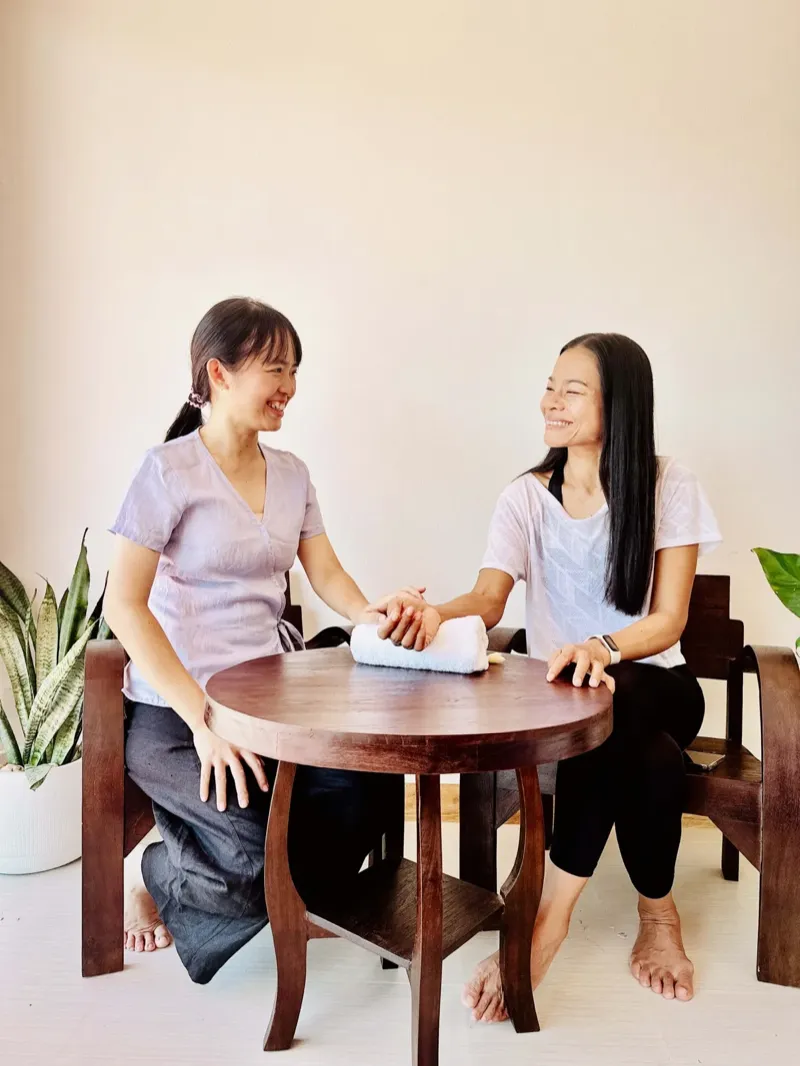
When you come to Piraluna for insomnia, Claire begins with a comprehensive assessment. She checks your pulse at both wrists (TCM identifies up to 28 distinct pulse qualities that reveal internal conditions), examines your tongue coating and color, and asks detailed questions about your sleep pattern, your emotional state, your digestion, your energy cycle through the day, and your overall health history.
This assessment identifies your specific insomnia pattern, and often reveals connections you may not have noticed yourself. Many patients are surprised to learn that their sleep problems are directly linked to their digestive issues, their headaches, or their hormonal fluctuations. In TCM, these are not separate problems. They are different expressions of the same underlying imbalance.
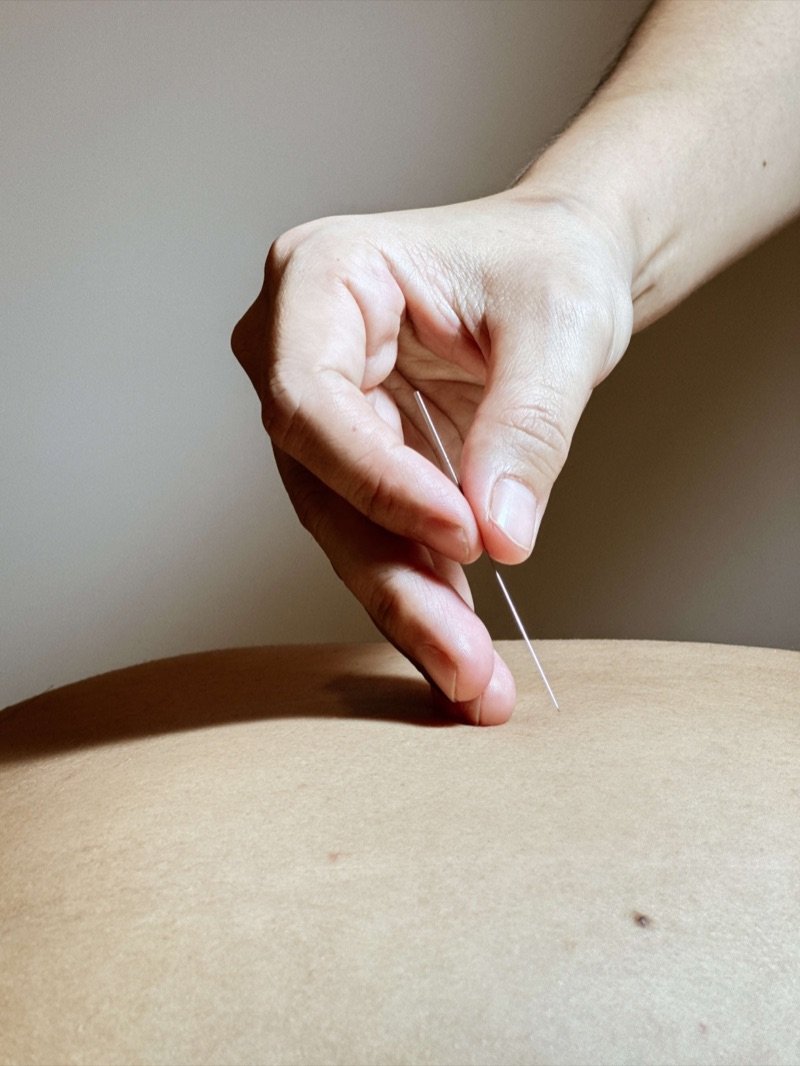
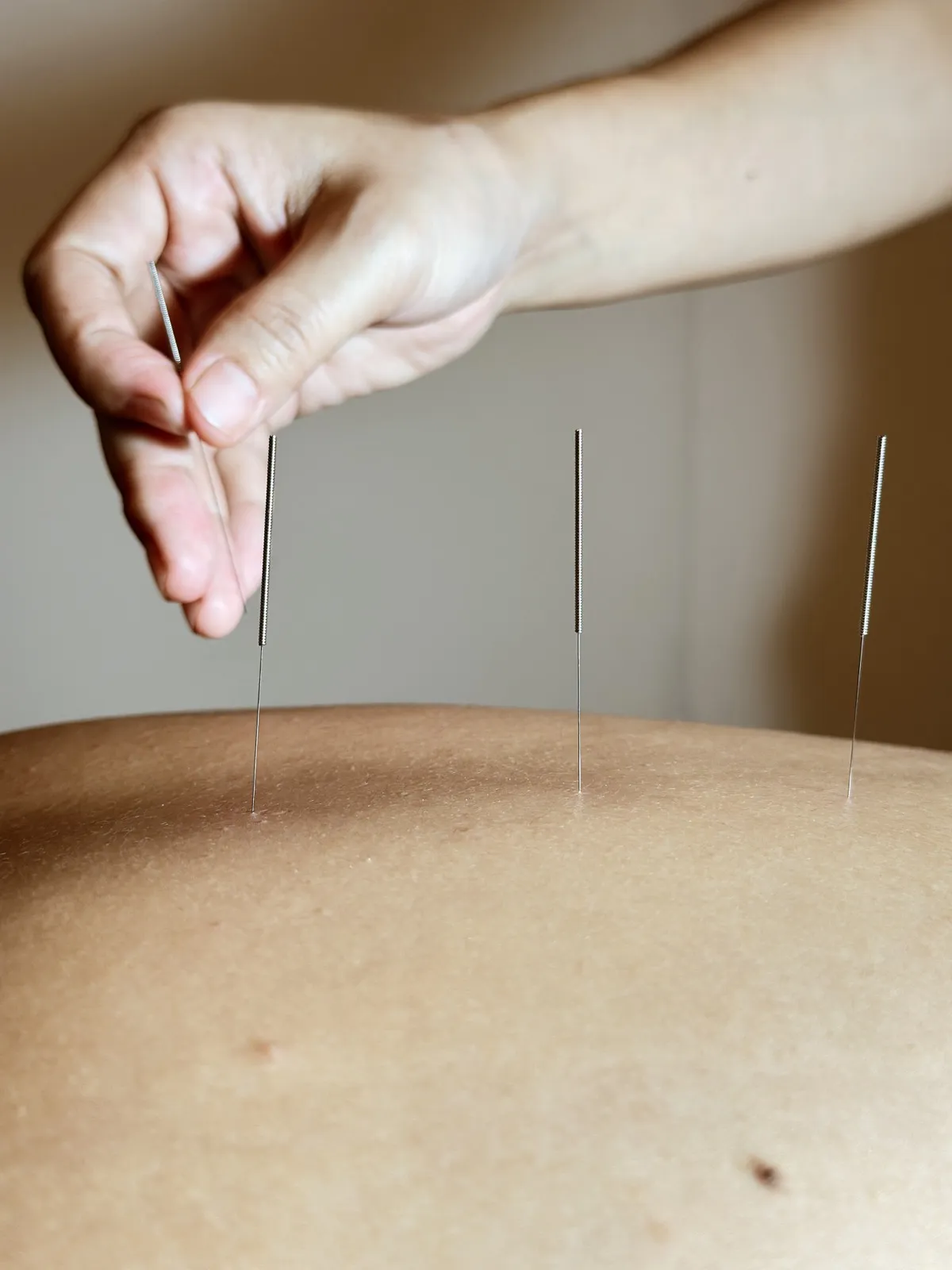
Treatment involves acupuncture using point combinations selected for your pattern. Sessions last approximately one hour. Most patients feel a deep wave of relaxation during treatment, and many fall asleep on the table. This is a positive sign: it demonstrates that the acupuncture is successfully activating the parasympathetic nervous system and settling Shen.
For some patterns, Claire may add moxibustion (a warming therapy) to strengthen deficient yin or yang. For patterns involving stagnation, she may incorporate cupping on the upper back to release physical tension that contributes to mental restlessness.
Most insomnia patients notice improvement within two to three sessions. A typical treatment course is six to eight weekly sessions, with the first few sessions focused on breaking the insomnia cycle and the later sessions stabilizing the improvement. Claire also provides tailored evening routine recommendations and dietary guidance based on your pattern, because what you do between sessions directly affects how quickly you improve.
You Do Not Have to Accept Sleepless Nights
If insomnia has become your normal, it does not have to stay that way. The fact that you wake at a specific time, that your thoughts follow a particular pattern, that certain conditions make your sleep worse, all of this is information. TCM reads that information and uses it to identify exactly what is keeping you awake and how to fix it.
You do not need to medicate yourself to sleep every night. You do not need to accept that "this is just how I am." Your body knows how to sleep. It has been doing it your entire life. Something is interfering with that natural process, and TCM is remarkably effective at finding and removing that interference.
If you are in Koh Samui and ready to reclaim your sleep, book a consultation at Piraluna. Claire will identify your insomnia pattern, create a treatment plan tailored to your specific situation, and help you build the foundation for deep, restorative sleep.
Want to start tonight? Download our free acupressure guide for three points that help you fall asleep faster and sleep more deeply. It takes five minutes and costs nothing.