Si vous n'avez jamais essayé l'acupuncture, vous êtes en bonne compagnie
Près de la moitié des patients qui consultent à Piraluna essaient l'acupuncture pour la première fois. Ils arrivent curieux mais nerveux, ne sachant pas à quoi s'attendre, et portant souvent des idées reçues tirées de films ou des réseaux sociaux qui n'ont que très peu à voir avec la réalité.
Cet article vous guidera à travers l'expérience complète, de votre arrivée jusqu'à votre départ. À la fin, vous saurez exactement ce qui se passe pendant une séance d'acupuncture et pourquoi il n'y a aucune raison de s'inquiéter.
Avant votre arrivée
Il y a quelques gestes simples que vous pouvez faire pour tirer le meilleur parti de votre premier traitement.
Mangez quelque chose de léger au préalable. N'arrivez pas l'estomac vide ni juste après un repas copieux. Une collation légère une heure ou deux avant votre rendez-vous est idéale. Cela aide à prévenir les étourdissements et garantit que votre corps dispose de l'énergie nécessaire pour le traitement.
Portez des vêtements confortables et amples. Votre praticienne aura besoin d'accéder à vos bras, vos jambes, et parfois votre dos ou votre abdomen. Un short ample et un t-shirt conviennent parfaitement. Si vous venez directement de la plage, c'est tout à fait acceptable aussi. Nous sommes à Koh Samui après tout.
Évitez la caféine et l'alcool. Les deux peuvent affecter votre pouls, qui est un élément important du diagnostic en MTC. L'eau et les tisanes sont d'excellents choix avant votre rendez-vous.
Arrivez quelques minutes en avance. Votre première séance comprend une consultation plus longue, donc arriver un peu en avance nous permet de commencer sans nous sentir pressés.
La consultation
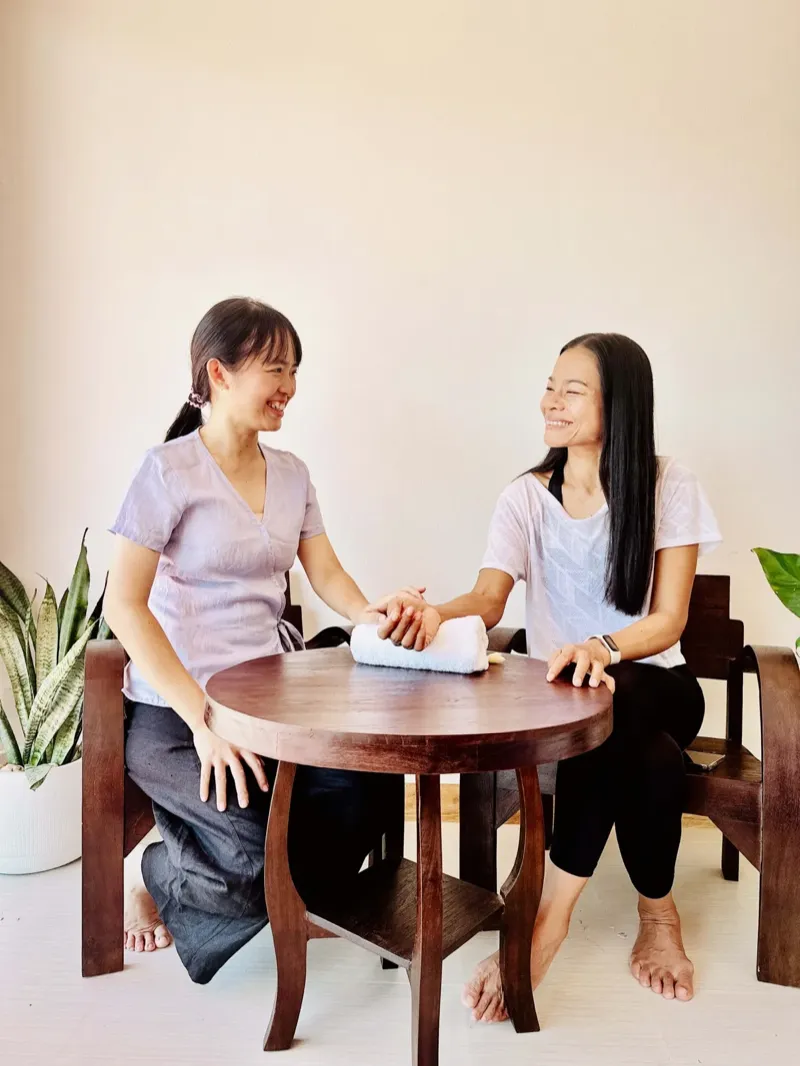
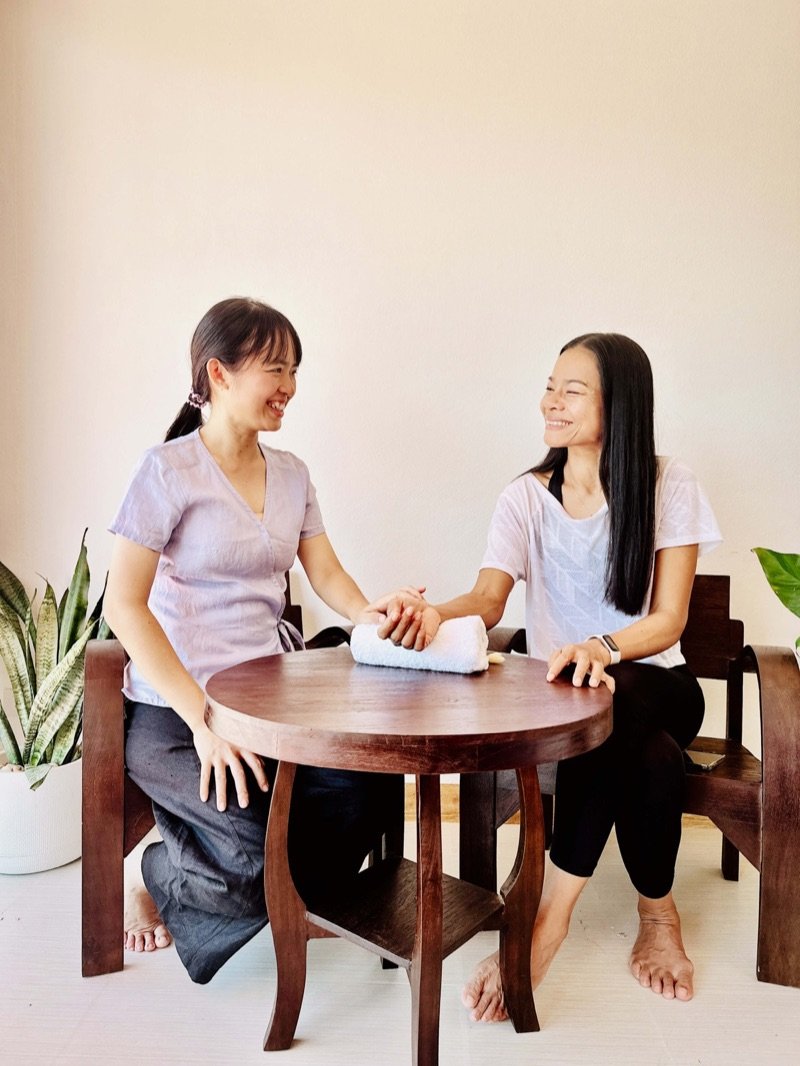
Votre première visite commence par une conversation. Claire vous posera des questions sur la raison de votre visite, vos antécédents médicaux, vos habitudes quotidiennes, votre sommeil, votre digestion, votre niveau de stress et votre état émotionnel. Certaines de ces questions peuvent sembler sans rapport avec votre plainte principale. Elles ne le sont pas.
En MTC, tout est connecté. La digestion affecte le sommeil. Les émotions affectent la douleur. Le stress affecte tout. En comprenant le tableau complet, Claire peut identifier le schéma sous-jacent à l'origine de vos symptômes et créer un plan de traitement qui s'attaque à la cause profonde, pas seulement à la plainte de surface.
Elle prendra également votre pouls. Pas comme un médecin occidental le ferait (en comptant simplement les battements par minute), mais une évaluation détaillée de la qualité, de la profondeur, de la vitesse et du rythme du pouls à trois positions sur chaque poignet. En MTC, le pouls offre une fenêtre sur l'état de vos organes internes et de votre énergie.
Elle vous demandera également de montrer votre langue. La couleur, l'enduit, la forme et l'humidité de la langue révèlent des informations sur votre digestion, votre circulation et votre équilibre constitutionnel global. Cela peut sembler inhabituel la première fois, mais c'est un examen rapide et indolore.
L'ensemble de la consultation dure généralement 15 à 20 minutes pour une première visite. Les séances de suivi sont plus courtes puisque le bilan de base a déjà été établi.
Les aiguilles : ce qu'on ressent vraiment
C'est la partie qui inquiète la plupart des gens. Soyons directs : les aiguilles d'acupuncture ne ressemblent en rien aux aiguilles que vous connaissez des injections ou des prises de sang.
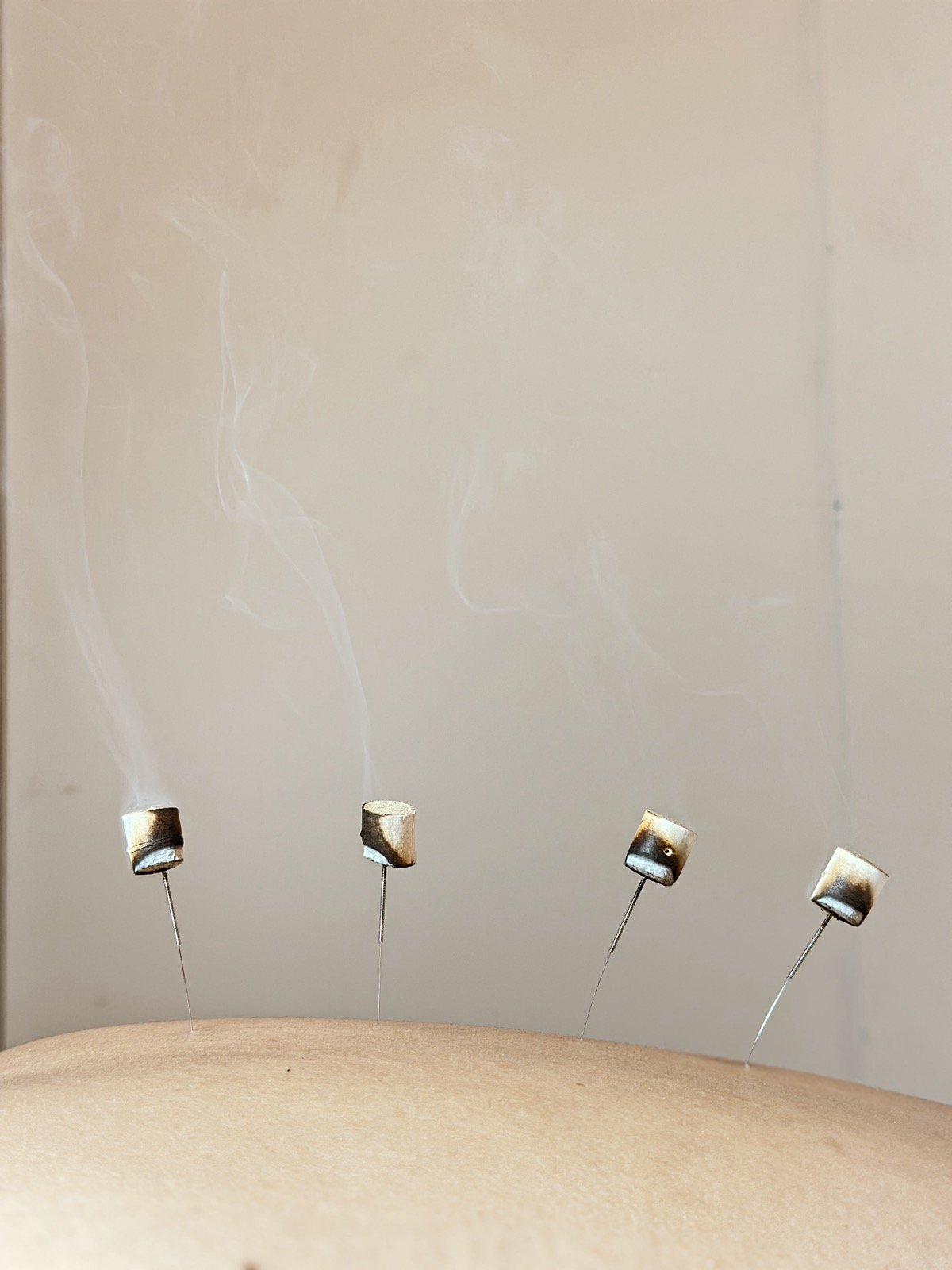
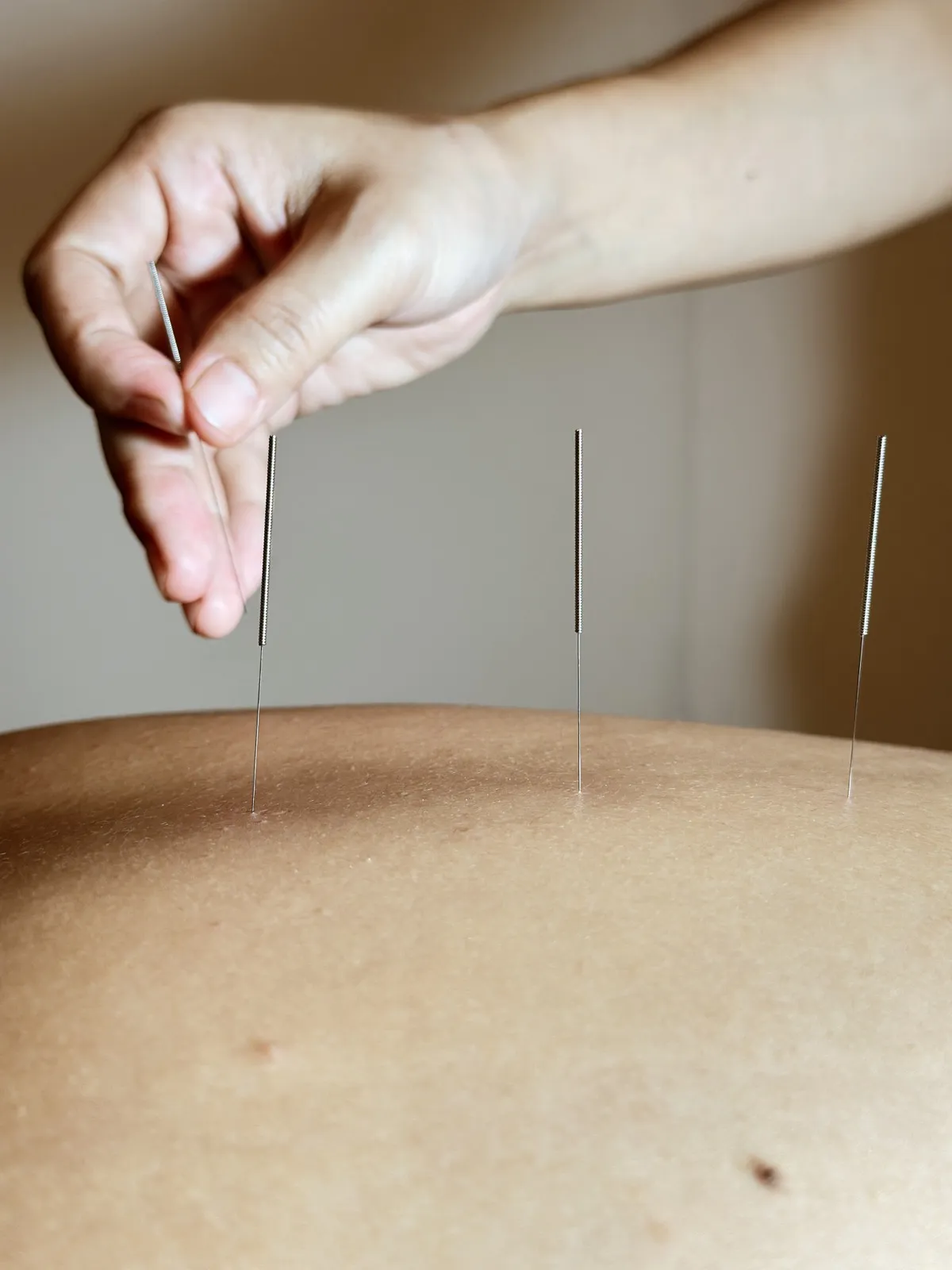
Une aiguille d'acupuncture a environ l'épaisseur d'un cheveu humain. Vous pourriez insérer dix à quinze aiguilles d'acupuncture à l'intérieur d'une aiguille de seringue médicale standard. Elles sont pleines, pas creuses, et elles sont conçues pour glisser en douceur à travers la peau plutôt que de la couper.
Lorsqu'une aiguille est insérée, la plupart des gens ressentent l'une des sensations suivantes :
- Rien du tout. De nombreux points sont posés sans que le patient ne ressente quoi que ce soit.
- Un léger pincement bref. Similaire à une piqûre de moustique, durant moins d'une seconde.
- Une douleur sourde ou de la chaleur. C'est ce qu'on appelle le "de qi" (prononcé "deu tchi") et cela signifie que le point a été activé. C'est bon signe.
- Un picotement ou une sensation d'irradiation. Certains patients décrivent une énergie se déplaçant le long d'une ligne depuis le point d'insertion. Cela suit souvent le trajet du méridien.
Ce que vous ne ressentirez pas, c'est une douleur aiguë et persistante. Si quelque chose est inconfortable, dites-le immédiatement à votre praticienne et elle ajustera ou retirera l'aiguille. Vous gardez toujours le contrôle.
Pendant la séance
Une fois toutes les aiguilles en place (généralement 8 à 20, selon votre plan de traitement), vous vous reposerez tranquillement pendant 20 à 40 minutes. Les lumières seront tamisées. Vous entendrez peut-être une musique douce ou rien du tout. C'est votre moment pour simplement rester immobile.
Ce qui se passe pendant cette période de repos est remarquable. Votre système nerveux bascule du mode sympathique (lutte ou fuite) au mode parasympathique (repos et récupération). Votre respiration ralentit. Vos muscles se relâchent. Beaucoup de personnes entrent dans un état de relaxation profonde, quelque part entre l'éveil et le sommeil. Certains patients ronflent. C'est tout à fait normal et c'est en fait le signe que le traitement fonctionne.
Claire reste à proximité pendant toute la durée du traitement. Si vous avez besoin de quoi que ce soit ou si vous vous sentez mal à l'aise à un moment donné, elle est là.
Selon votre état, elle peut également intégrer d'autres techniques de MTC pendant votre séance :
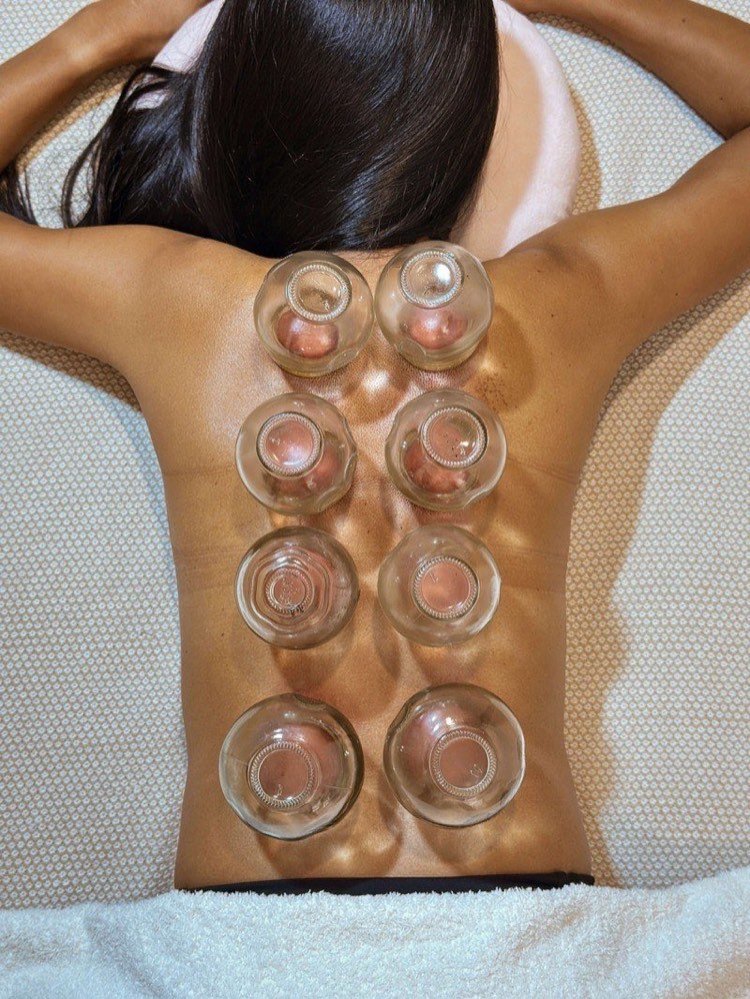
- Les ventouses utilisent des coupelles à succion sur le dos ou les épaules pour relâcher les tensions musculaires et améliorer la circulation.
- La moxibustion consiste à réchauffer des points spécifiques avec une herbe appelée armoise pour renforcer l'énergie et favoriser la guérison.
- Le gua sha est une technique de grattage douce qui soulage les tensions et stimule la circulation sanguine.
Claire vous expliquera toujours ce qu'elle fait et pourquoi avant d'ajouter une technique à votre séance.
Après la séance
Lorsque les aiguilles sont retirées (ce que vous ressentez rarement), la plupart des gens se décrivent comme calmes, détendus et légèrement dans les nuages. Certains se sentent dynamisés. D'autres agréablement fatigués. Toutes ces réactions sont normales.
Voici ce qu'il faut garder à l'esprit pour le reste de la journée :
- Buvez de l'eau. Rester hydraté(e) aide votre corps à intégrer les changements du traitement.
- Évitez l'exercice intense. Une promenade tranquille est acceptable, mais évitez la salle de sport ou un entraînement intense pour le reste de la journée.
- Ne buvez pas d'alcool. Laissez à votre corps la soirée pour intégrer le traitement.
- Soyez attentif(ve) à vos sensations. Certaines personnes remarquent une amélioration immédiate. D'autres ressentent les effets au cours du jour ou des deux jours suivants. Occasionnellement, les symptômes peuvent brièvement s'intensifier avant de s'améliorer. C'est une partie reconnue du processus de guérison qui se résout généralement en 24 heures.
Beaucoup de patients venant pour la première fois nous disent avoir mieux dormi qu'au cours des dernières semaines, la nuit même de leur premier traitement. Même si vous êtes venu(e) pour de la douleur ou du stress plutôt que pour le sommeil, c'est un effet secondaire courant et bienvenu.
Combien de séances seront nécessaires ?
Cela varie considérablement selon votre état. Les problèmes aigus (une blessure récente, un torticolis dû au voyage) peuvent répondre en une à trois séances. Les conditions chroniques présentes depuis des mois ou des années nécessitent généralement un traitement plus long, habituellement six à douze séances.
Claire vous donnera une estimation honnête lors de votre première visite. Elle vous dira également si elle pense que l'acupuncture est ou n'est pas l'approche appropriée pour votre situation spécifique. Il n'y a aucune pression pour s'engager dans un plan de traitement long. Vous pouvez essayer une séance et décider ensuite.
Questions fréquentes
L'acupuncture fait-elle mal ? Rarement. La plupart des patients sont surpris par le peu qu'ils ressentent. La sensation n'a rien à voir avec une injection ou une prise de sang.
Est-ce sûr ? Oui. L'acupuncture est extrêmement sûre lorsqu'elle est pratiquée par un(e) praticien(ne) formé(e) utilisant des aiguilles stériles à usage unique. À Piraluna, chaque aiguille est utilisée une seule fois et jetée immédiatement.
Et si j'ai peur des aiguilles ? Beaucoup de nos patients étaient nerveux à l'idée des aiguilles avant leur première séance. Les aiguilles utilisées en acupuncture sont si fines et l'insertion est si douce que la plupart des patients phobiques des aiguilles sont surpris par le confort de l'expérience. Claire a l'habitude des patients anxieux lors de leur première séance et ira à votre rythme.
Puis-je recevoir de l'acupuncture si je suis enceinte ? Oui, mais certains points doivent être évités pendant la grossesse. Informez toujours votre praticienne si vous êtes ou pourriez être enceinte.
Combien coûte une séance ? Consultez notre page de contact pour les tarifs actuels et les informations de réservation.
Prêt(e) à réserver votre première séance ?
La partie la plus difficile de l'acupuncture est de prendre la décision de l'essayer. Une fois que vous êtes sur la table, la plupart des gens se demandent pourquoi ils ont attendu si longtemps.
À Piraluna à Lamai, Koh Samui, Claire traite des patients du monde entier, dont beaucoup sont arrivés sceptiques et repartis comme des habitués. Que vous souffriez de douleur, de troubles du sommeil, de stress ou simplement de curiosité, votre première séance est le point de départ.
Réservez votre première séance à Piraluna et découvrez ce que l'acupuncture peut faire pour vous.