Can Acupuncture Help TMJ and Jaw Tension?
Yes, acupuncture is a recognized natural option for TMJ disorders and chronic jaw tension, and many patients find it eases the clenching, the dull ache around the jaw joint, and the headaches that often travel with it. It works by relaxing the powerful muscles that close the jaw, reducing inflammation around the joint, and calming the nervous system that keeps those muscles locked in a state of tension. For people who clench or grind without realizing it, acupuncture offers relief that addresses the cause rather than only quieting the symptom.
At Piraluna in Lamai, Claire sees a steady stream of patients whose jaws have quietly become part of how they hold stress. The pattern is familiar: a tight jaw by the end of a working day, a click when the mouth opens wide, soreness on waking that points to a night of grinding. Jaw tension responds well to TCM care, and many people are surprised how much lighter the whole face feels once the muscles begin to let go.
Why Jaw Tension and TMJ Develop
The temporomandibular joint, or TMJ, is the hinge that connects your lower jaw to your skull, just in front of each ear. It is one of the busiest joints in the body, working every time you talk, chew, or yawn. When the muscles around it become overworked or imbalanced, the joint stops moving smoothly and pain follows.
The most common driver is clenching and grinding, often during sleep and often without any awareness that it is happening. Stress is the usual trigger. When the nervous system stays on alert, the jaw is one of the first places the body holds tension, much the way it pulls the shoulders up toward the ears. This is why jaw problems so often appear alongside neck and shoulder pain and the upper back tightness of desk work.
Poor posture plays a part too. A forward head position, the kind that builds over long hours at a laptop, shifts the alignment of the jaw and loads the muscles that hold it. Travel, disrupted sleep, and the constant low grade pressure of life on the road all feed the same pattern. The result is a jaw that aches, clicks, tires quickly when chewing, and frequently sets off a band of tightness across the head.
How TCM Understands Jaw Tension
In Traditional Chinese Medicine, jaw tension is not treated as an isolated joint problem. Claire, who trained at Chengdu University of Traditional Chinese Medicine, looks at the whole picture, examining your pulse and tongue and asking detailed questions about your stress, sleep, and daily habits as well as the jaw itself.
Most jaw tension falls into a pattern of qi and blood stagnation along the channels that cross the face and jaw. When stress keeps the muscles contracted, circulation through these channels becomes blocked, and the result is fixed, nagging pain and stiffness. Several meridians pass directly through the jaw and temple region, which gives Claire precise pathways to work along.
Because clenching is so often tied to emotional pressure, the liver is frequently involved. In TCM the liver governs the smooth flow of qi, and when stress and frustration cause that flow to stall, the tension rises into the head and jaw. This is the same pattern that drives many tension headaches and migraines, which is why treating the jaw and treating the headache so often go hand in hand.
How Acupuncture Treats TMJ and Jaw Tension
Acupuncture for the jaw works on several levels at once.
- It relaxes the jaw muscles. Points around the masseter and temple help release the powerful muscles that clamp the jaw shut, which eases the ache and the clicking.
- It calms the nervous system. By shifting the body out of alert mode, acupuncture reduces the unconscious clenching that drives most TMJ pain.
- It reduces inflammation. Improving circulation around the joint helps settle the swelling and irritation that limit how smoothly it moves.
- It restores flow. In TCM terms, the needles clear the stagnation in the channels that cross the face, allowing qi and blood to move freely again.
Claire treats both local points around the jaw and temple and distal points further along the meridians, including points on the hands and feet that release the whole chain of tension feeding into the head. Where it suits your pattern, she may add gentle work on the neck and shoulders, since the muscles there are so often part of the same picture. The combination is chosen for your body, and it adapts from session to session as the jaw responds.
What a Session at Piraluna Looks Like
Your first visit begins with a full consultation. Claire will ask where the tension sits, whether the jaw clicks or locks, whether you wake with soreness, and how stress and sleep fit into the picture. She will check your pulse and tongue, examine the jaw and neck, and identify the pattern behind your symptoms. If she thinks your case needs a dental opinion or a night guard alongside treatment, she will tell you honestly.
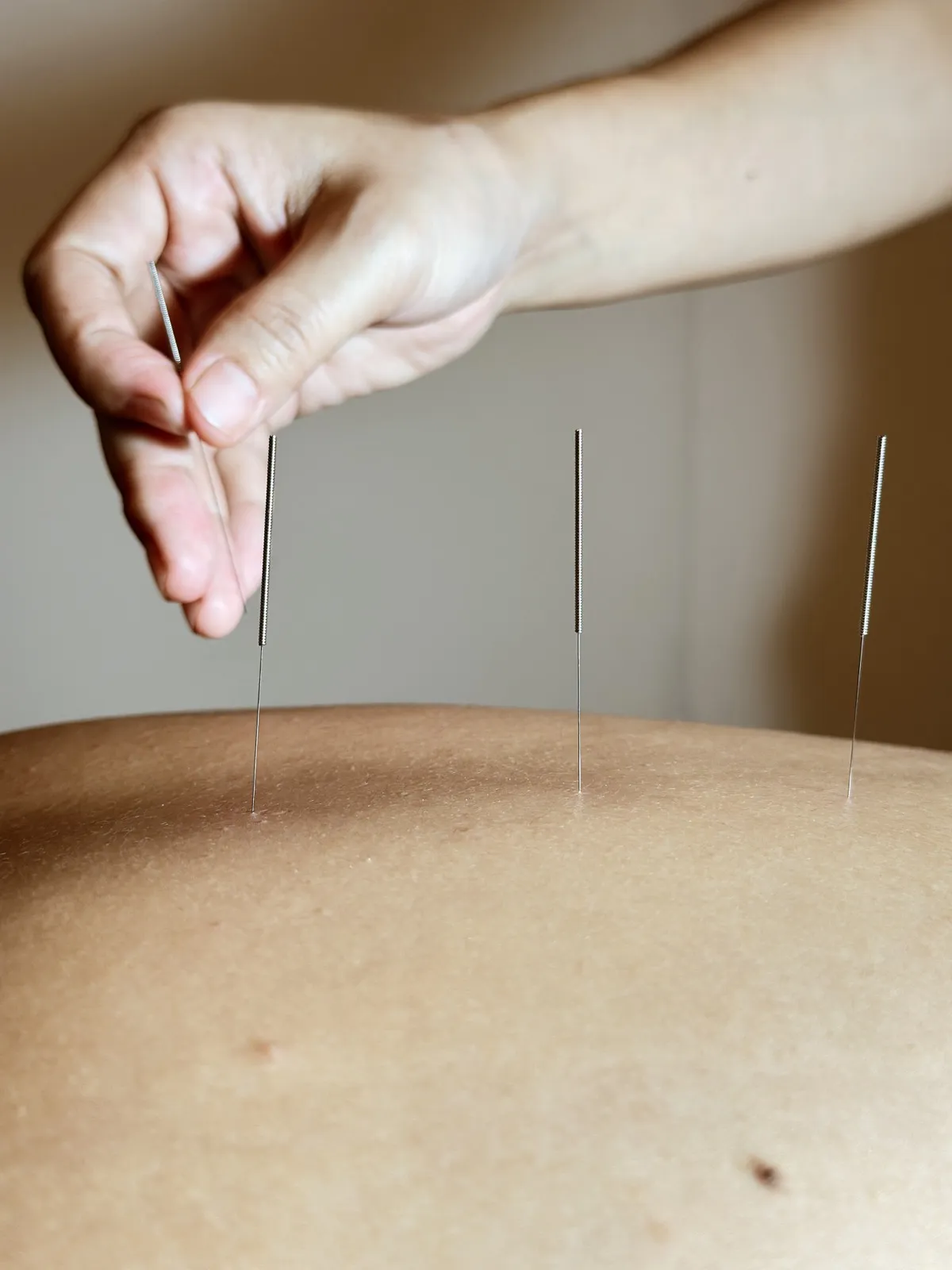
The treatment itself is calm and unhurried. The needles are very fine, and most patients feel only a small sensation as each one is placed. You rest comfortably while they do their work, often for twenty to thirty minutes. If you are new to acupuncture, our guide on what to expect during a first acupuncture session walks you through the whole experience.
For recent jaw tension, a handful of sessions over a week or two is often enough to take the edge off. For clenching and grinding that have been building for months, a longer course is typical, usually starting with weekly visits and tapering as the jaw settles. Many patients notice the morning soreness easing within the first few sessions, though deeply ingrained habits take a little longer to unwind.
Helping Your Jaw Between Sessions
What you do day to day matters as much as what happens at the clinic. A few simple habits protect the gains you make in treatment:
- Notice through the day whether your teeth are touching, and let the jaw rest with the lips closed and teeth slightly apart.
- Soften your posture at the desk so the head sits over the shoulders rather than pushed forward.
- Apply gentle warmth to the jaw muscles in the evening to help them relax before sleep.
- Ease off hard, chewy foods during a flare so the joint gets a genuine rest.
You Do Not Have to Live With a Tight Jaw
Jaw tension has a way of becoming so familiar that you stop noticing it, even as it feeds headaches and broken sleep. It does not have to stay that way. Acupuncture offers a drug free, non invasive path to relief, and the sooner the clenching pattern is addressed, the more readily it tends to respond.
You can learn more on our acupuncture services page or browse the full range of conditions we treat. When you are ready, book a session at Piraluna and let Claire build a treatment plan around your jaw and the stress that sits behind it.