Acupuncture for Weight Loss: How TCM Supports Healthy, Lasting Results
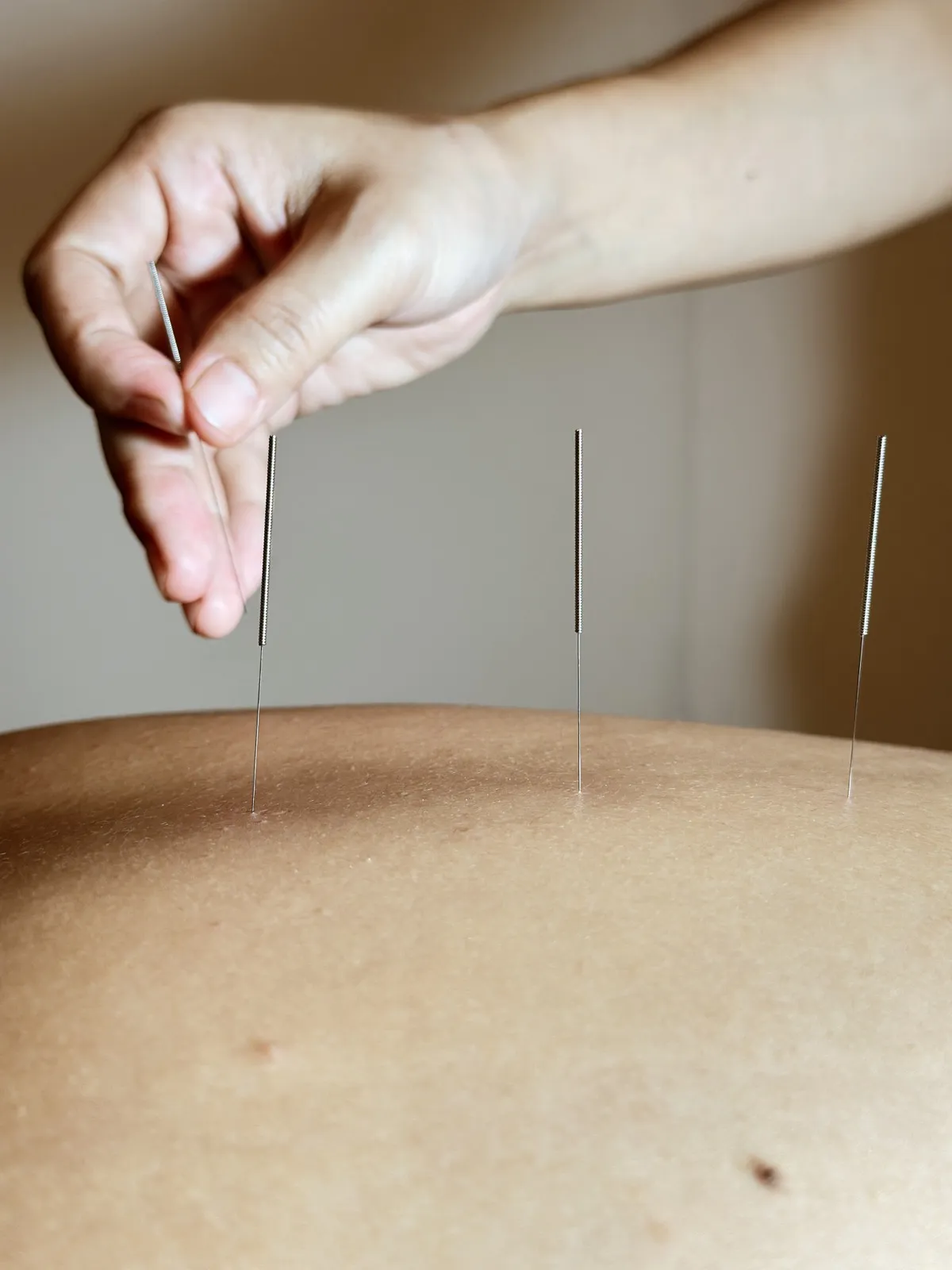
Why Diets Alone Often Fail
If you have tried counting calories, eliminating food groups, and forcing yourself through exercise routines only to watch the weight creep back, you are not lacking willpower. You may be fighting your own metabolism. Acupuncture for weight loss addresses the internal imbalances that make losing weight feel impossibly difficult, and it does so without drugs, extreme restriction, or punishing workouts.
Traditional Chinese Medicine has understood for centuries that body weight is not simply a matter of calories in versus calories out. Your ability to maintain a healthy weight depends on how efficiently your body transforms food into energy, how well your hormones communicate, how deeply you sleep, and how effectively you manage stress. When any of these systems fall out of balance, weight accumulates regardless of how disciplined your diet is.
This is why acupuncture is gaining attention as a complementary approach to weight management. It does not replace healthy eating or movement. It restores the internal conditions that allow those efforts to actually produce results.
How TCM Understands Weight Gain
In Traditional Chinese Medicine, excess weight is not viewed as a single problem with a single cause. It is the visible result of one or more underlying patterns that have disrupted your body's ability to process food, move fluids, and generate energy efficiently.
The most common pattern behind weight gain is Spleen qi deficiency. The Spleen in TCM is responsible for transforming food into usable energy and transporting nutrients and fluids throughout the body. When the Spleen is weak, food is not fully transformed. Instead of becoming energy, it accumulates as what TCM calls "dampness" and "phlegm," which manifests as water retention, puffiness, a heavy sluggish feeling, bloating after meals, and stubborn fat deposits that do not respond to exercise. If you feel heavier than your diet justifies, if your limbs feel waterlogged, or if you gain weight just by looking at bread, Spleen deficiency is very likely part of the picture.
Stomach heat drives a different kind of weight problem. This pattern produces intense, almost uncontrollable hunger. You eat a full meal and feel hungry again within an hour. You crave greasy, rich, or sweet foods. Your digestion may feel fast rather than slow, but the heat drives overconsumption. This pattern often develops from years of eating processed, fried, or heavily spiced food, and it is common in people who describe themselves as stress eaters.
Liver qi stagnation is the emotional eating pattern. When the Liver's energy is stuck, often from chronic stress, frustration, or suppressed emotions, it disrupts the smooth flow of qi throughout the body. The result is mood driven cravings, binge eating episodes, abdominal bloating, and weight gain concentrated around the midsection. This pattern also disrupts hormonal balance, which further complicates weight management, particularly for women.
Kidney yang deficiency produces a cold, slow metabolism. You feel cold easily, your energy is low especially in the mornings, your lower back aches, and your body seems to store everything you eat. This pattern is more common as people age and is often the reason metabolic rate drops significantly after 40.
How Acupuncture for Weight Loss Works
Acupuncture supports weight loss through several mechanisms that modern research has begun to document.
Appetite regulation. Acupuncture has been shown to influence the hormones that control hunger and satiety. Studies demonstrate that acupuncture can reduce ghrelin (the hunger hormone) and increase leptin (the fullness hormone), helping you feel satisfied with less food without the white knuckle willpower that dieting demands. Ear acupuncture in particular has strong evidence for appetite suppression, with specific points on the ear corresponding to the stomach, hunger center, and endocrine system.
Metabolic improvement. By strengthening Spleen function and resolving dampness, acupuncture helps your body extract more energy from food and eliminate waste products more efficiently. Patients frequently report that their digestion improves first, bloating decreases, bowel movements normalize, and then weight begins to shift. This is not a coincidence. When the digestive system works properly, the body naturally moves toward a healthier weight.
Stress and cortisol reduction. Chronic stress elevates cortisol, which directly promotes fat storage around the abdomen, increases cravings for sugar and refined carbohydrates, and disrupts sleep. Acupuncture activates the parasympathetic nervous system, reducing cortisol and shifting your body from storage mode into processing mode. Many patients notice that their cravings decrease substantially after just a few sessions.
Hormonal balancing. For women experiencing weight gain related to menopause, PCOS, or thyroid imbalance, acupuncture helps regulate the endocrine system. By improving communication between the hypothalamus, pituitary, and reproductive organs, acupuncture addresses the hormonal disruption that makes weight management so difficult during these transitions.
Improved sleep quality. Poor sleep is one of the most underestimated factors in weight gain. When you sleep poorly, ghrelin rises, leptin drops, insulin sensitivity decreases, and your body craves quick energy from sugar and carbohydrates. Acupuncture's well documented effects on sleep quality create a foundation that supports every other aspect of weight management.
What the Research Says
A 2020 systematic review and meta analysis published in the journal Medicine examined 21 randomized controlled trials involving over 1,600 participants. The review found that acupuncture combined with lifestyle intervention produced significantly greater reductions in body weight, BMI, and waist circumference compared to lifestyle intervention alone. Ear acupuncture showed particularly strong results for reducing BMI.
Another study published in the International Journal of Obesity found that participants receiving auricular (ear) acupuncture experienced a significant decrease in waist circumference and body fat percentage over eight weeks, even without strict dietary restriction. The proposed mechanism was improved regulation of the hypothalamus and the autonomic nervous system.
These studies do not suggest that acupuncture is a magic bullet. They consistently show that it enhances the results of healthy lifestyle changes by addressing the metabolic, hormonal, and neurological factors that diet and exercise alone cannot reach.
Ear Acupuncture for Weight Management
Auricular acupuncture deserves special mention in the context of weight loss because of the density of reflex points on the ear that connect to the digestive and endocrine systems.
Key ear points used for weight management include the Hunger point (which reduces appetite), the Stomach point (which improves digestive function), the Shenmen point (which calms the nervous system and reduces emotional eating), and the Endocrine point (which supports hormonal balance). At Piraluna, Claire often combines body acupuncture with ear points for a comprehensive approach.
Some practitioners use small ear seeds, tiny metal or herbal beads placed on adhesive tape, that patients can press between sessions to maintain the appetite regulating effect. These stay in place for several days and allow you to stimulate the points yourself whenever a craving strikes.
Acupressure Points You Can Try Between Sessions
While professional acupuncture treatment is more effective, you can support your weight management between sessions by pressing these key points for one to two minutes each, two to three times daily.
Stomach 36 (Zusanli). Four finger widths below the kneecap, one finger width lateral to the shinbone. This is the primary point for strengthening digestion and resolving dampness. If the Spleen is the engine of your metabolism, ST36 is the ignition switch. Press firmly with your thumb until you feel a deep ache.
Spleen 6 (Sanyinjiao). Four finger widths above the inner ankle bone, behind the shinbone. This point supports Spleen function, helps resolve fluid retention, and regulates hormones. It is especially valuable for women dealing with weight gain connected to menstrual irregularity or menopause. Do not press this point during pregnancy.
Conception Vessel 12 (Zhongwan). On the midline of the abdomen, halfway between the navel and the base of the breastbone. This point regulates the Stomach, reduces bloating, and can help curb excessive hunger, particularly the Stomach heat type where you eat a meal and still feel ravenous.
Large Intestine 4 (Hegu). In the webbing between your thumb and index finger, at the highest point of the muscle when thumb and finger are pressed together. This point moves qi throughout the body, supports healthy bowel function, and is particularly useful for stress related cravings and tension headaches that often accompany dietary changes. Avoid during pregnancy.
What Treatment at Piraluna Looks Like
When you come to Piraluna for weight management support, the first session begins with a thorough assessment. Claire examines your pulse, looks at your tongue, and asks detailed questions about your eating patterns, your energy levels, your sleep, your emotional relationship with food, your digestive function, and your medical history. This assessment identifies which pattern or combination of patterns is driving your weight gain.
Treatment typically involves acupuncture on the abdomen, legs, and arms, combined with ear points specific to appetite regulation. Sessions last approximately 60 minutes. Most patients feel deeply relaxed during treatment, and many notice a reduction in cravings within the first few sessions.
For weight management, Claire typically recommends an initial course of eight to twelve weekly sessions. The first four to six sessions focus on regulating appetite, improving digestion, and reducing stress. The remaining sessions consolidate the metabolic changes and support ongoing weight loss. Between sessions, Claire provides food therapy recommendations tailored to your TCM pattern, which are often more effective and more sustainable than generic diet advice.
This is not a crash program. The goal is to restore the internal conditions that allow your body to find and maintain its natural healthy weight. Patients who commit to the full course of treatment and integrate the dietary guidance typically see meaningful, lasting changes rather than the cycle of loss and regain that characterizes most diet approaches.
The TCM Approach to Eating for Weight Loss
TCM food therapy for weight loss differs fundamentally from Western dieting. Instead of restricting calories or eliminating macronutrients, it focuses on eating in a way that supports your digestive fire and resolves the specific pattern causing weight gain.
For Spleen deficiency: favor warm, cooked foods. Soups, stews, steamed vegetables, and congee support the Spleen far better than raw salads and cold smoothies. Reduce dairy, sugar, and greasy foods, all of which generate dampness. Eat at regular times and avoid eating late at night when the Spleen's energy is at its lowest.
For Stomach heat: reduce spicy, greasy, and heavily processed foods that generate internal heat. Incorporate cooling foods like cucumber, celery, watermelon, and green tea. Eat slowly and chew thoroughly. The goal is to calm the overactive hunger response rather than fight it with willpower.
For Liver qi stagnation: add bitter greens, citrus, and aromatic herbs that move stuck qi. Reduce alcohol and caffeine, both of which worsen Liver stagnation. Address the emotional patterns driving your eating, because for this pattern, what you feel matters as much as what you eat.
For all patterns: avoid ice cold drinks, especially with meals. Room temperature or warm water supports digestion. Eat your largest meal earlier in the day when digestive energy is strongest. Stop eating when you are 70 to 80 percent full rather than completely stuffed.
Start Your Weight Loss Journey With TCM
If diets and willpower have failed you, the problem may not be your discipline. It may be that your metabolism, your hormones, your stress response, or your digestive function need support that no diet can provide. Acupuncture for weight loss addresses these root causes, creating the internal conditions where healthy eating and movement actually produce results.
If you are in Koh Samui and ready to approach weight management differently, book a consultation at Piraluna. Claire will identify your specific pattern, create a personalized treatment plan, and guide you on the food therapy and lifestyle adjustments that will support lasting change.
Does acupuncture really help with weight loss?
Yes. Clinical research shows that acupuncture combined with lifestyle changes produces significantly greater reductions in body weight, BMI, and waist circumference compared to lifestyle changes alone. Acupuncture works by regulating appetite hormones, improving digestive function, reducing stress and cortisol, and balancing the endocrine system. It is most effective as part of a comprehensive approach that includes dietary adjustment and regular movement.
How many acupuncture sessions are needed for weight loss?
Most weight management programs involve eight to twelve weekly acupuncture sessions. Improvements in appetite, digestion, and cravings typically begin within the first three to four sessions. Measurable changes in weight and body composition usually become evident by the sixth to eighth session. Some patients benefit from ongoing monthly maintenance sessions to sustain results long term.
What is ear acupuncture for weight loss?
Ear acupuncture (auricular acupuncture) uses specific points on the ear that correspond to the stomach, hunger center, and endocrine system. Clinical studies show it effectively reduces appetite and BMI. Small ear seeds can be placed on these points between sessions so you can press them yourself when cravings arise, extending the treatment effect throughout the week.
Want the free acupressure guide?
Enter your email and get it delivered instantly.
关于 Claire
Claire holds both a Bachelor's and Master's degree in Traditional Chinese Medicine from Chengdu University of TCM, one of China's top TCM institutions. With over five years of clinical experience and fluency in Thai, Chinese, and English, she treats patients from more than 20 countries for everything from chronic pain and sleep problems to digestive issues and emotional health.
了解更多 →继续阅读
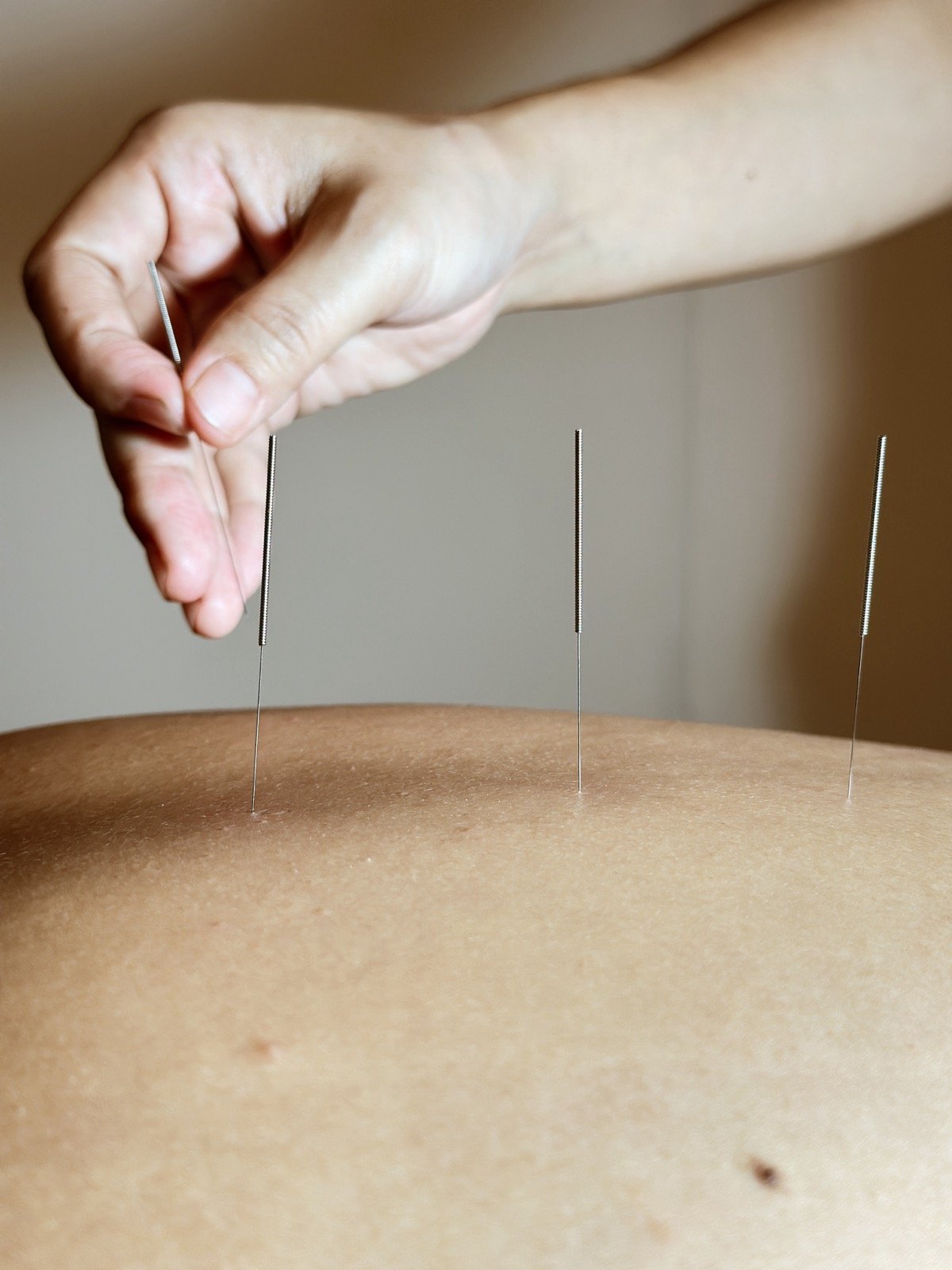
How Much Does Acupuncture Cost in Thailand? A Practical Price Guide
Find out how much acupuncture costs in Thailand in 2026. Compare prices at hospitals, resorts, and private clinics acros
阅读全文 →
Cupping Therapy: What It Does, How It Works, and Who It Helps
Everything you need to know about cupping therapy. Learn how it works, what conditions it treats, what the marks mean, a
阅读全文 →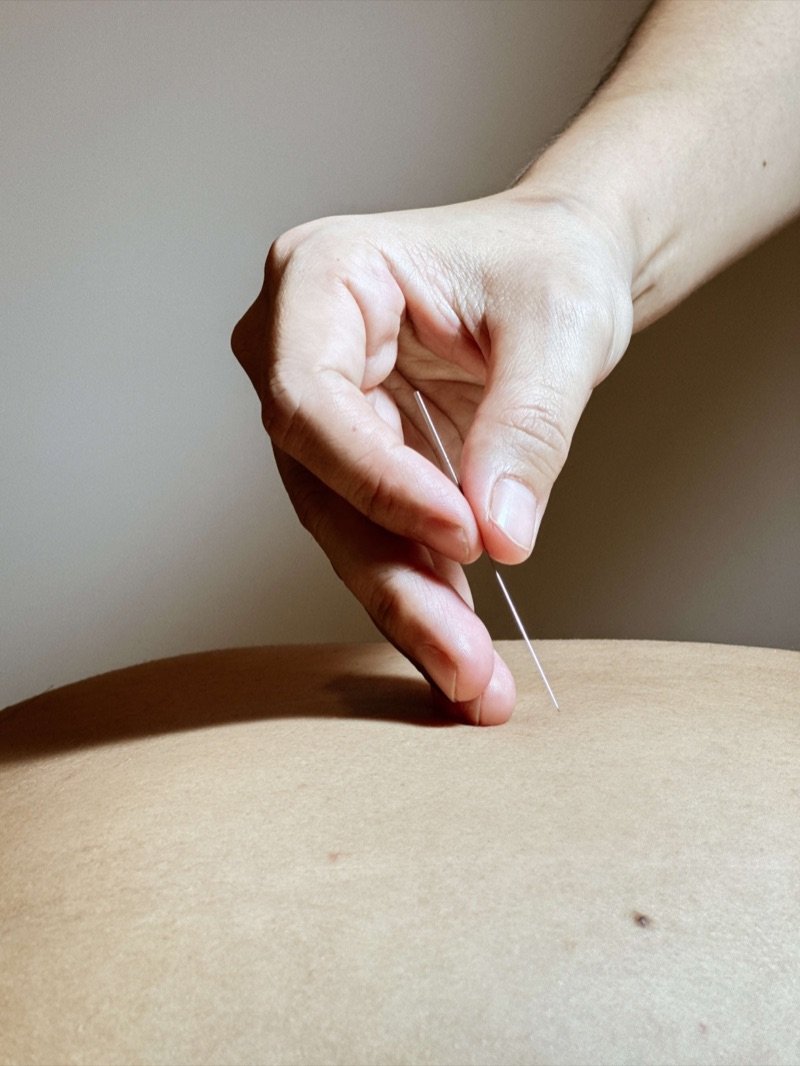
What Do Cupping Marks Mean? A Color by Color Guide
Wondering what those cupping marks mean? This color by color guide explains every shade from light pink to deep purple,
阅读全文 →