Вы уже знаете, что вам нужно бросить
Если вы читаете это, вы, вероятно, уже пытались бросить курить раньше. Может быть, несколько раз. Вы знаете риски для здоровья. Вы знаете, во что это обходится. Возможно, вы пробовали пластыри, жвачку, медикаменты или чистую силу воли. И если вы всё ещё курите, то не потому, что вам не хватает мотивации или дисциплины. Никотиновая зависимость перестраивает химию вашего мозга, и освобождение требует большего, чем просто решение остановиться.
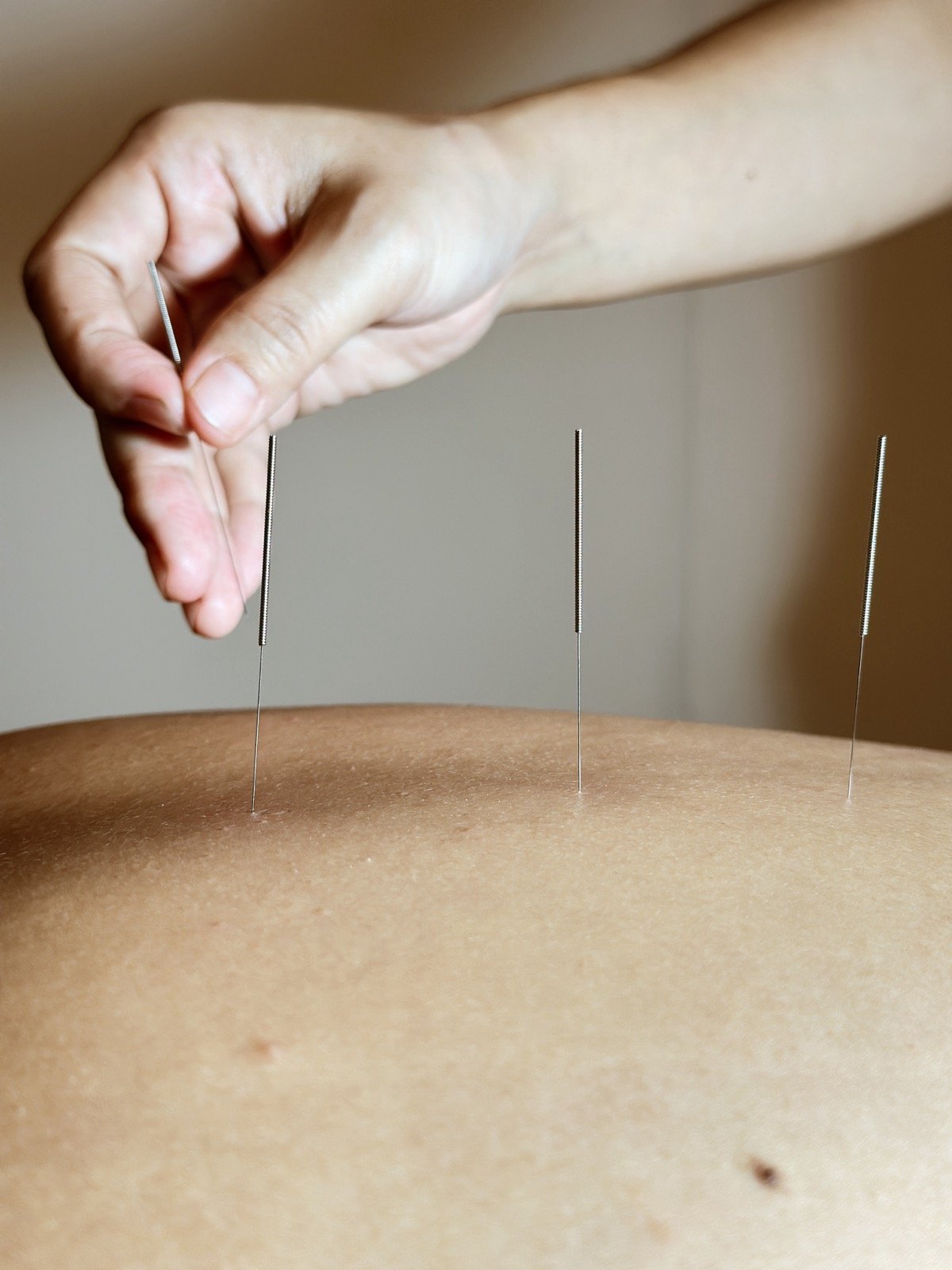
Акупунктура для отказа от курения работает, воздействуя на неврологическое, эмоциональное и физическое измерения зависимости одновременно. Она снижает тягу, облегчает симптомы отмены, успокаивает тревогу, которая возвращает многих людей к сигаретам, и поддерживает детоксикацию организма, пока он очищается от накопленного за годы вреда. Это не волшебная таблетка, но для многих людей это недостающий элемент, благодаря которому отказ действительно закрепляется.
Почему бросить курить так сложно
Никотин — одно из самых вызывающих зависимость веществ, известных науке. За считанные секунды после вдоха он достигает мозга и запускает выброс дофамина — нейромедиатора, связанного с удовольствием и вознаграждением. Ваш мозг быстро учится связывать курение с облегчением, расслаблением, концентрацией и социальной связью. Со временем ваш базовый уровень дофамина снижается, а значит, сигареты нужны просто для того, чтобы чувствовать себя нормально.
Когда вы бросаете курить, дофамин обрушивается. Результат — предсказуемый набор симптомов отмены: раздражительность, тревога, трудности с концентрацией, бессонница, повышенный аппетит и сильная тяга. Эти симптомы достигают пика в первые три-пять дней и могут сохраняться на более низком уровне неделями. Большинство людей, у которых происходит срыв, срываются в первые две недели, движимые не отсутствием решимости, а невыносимым дискомфортом отмены.
Помимо химической зависимости, курение глубоко встроено в повседневные ритуалы и эмоциональные паттерны. Сигарета с утренним кофе. Перекур как социальный ритуал. Тяга к сигарете, когда подскакивает стресс. Эти поведенческие и эмоциональные ассоциации часто сложнее сломать, чем саму никотиновую зависимость.
Именно здесь акупунктура предлагает подлинное преимущество. Она воздействует на химическую отмену, эмоциональные паттерны и физическую детоксикацию в рамках одного и того же лечения.
Как акупунктура помогает бросить курить
Снижение тяги. Акупунктура стимулирует выброс эндорфинов и дофамина через естественные пути, частично компенсируя падение дофамина, которое происходит при отмене никотина. Пациенты стабильно сообщают, что после сеансов акупунктуры их тяга становится менее интенсивной и менее частой. Желание закурить не исчезает полностью, но становится управляемым, а не подавляющим.
Облегчение симптомов отмены. Раздражительность, беспокойство и тревога, которые ведут к срыву, напрямую снимаются воздействием акупунктуры на вегетативную нервную систему. Активируя парасимпатическую реакцию, акупунктура переводит организм из возбуждённого состояния «бей или беги», которое запускает отмена, в более спокойное, сбалансированное состояние. Многие пациенты описывают глубокое чувство спокойствия во время и после лечения, которого прежде достигали только через курение.
Улучшение сна. Бессонница — один из самых изнуряющих симптомов отмены и главный фактор срыва. Хорошо задокументированное влияние акупунктуры на качество сна, включая повышение выработки мелатонина и снижение кортизола, помогает поддерживать восстанавливающий сон в критические первые недели отказа.
Регуляция аппетита. Набор веса — распространённое опасение и частая причина, по которой люди возобновляют курение. Акупунктура помогает регулировать гормоны аппетита (грелин и лептин), которые нарушаются при отмене никотина, снижая склонность заменять сигареты едой.
Поддержка лёгких и дыхания. С точки зрения ТКМ, курение напрямую повреждает систему органа Лёгких. Акупунктурные точки, которые очищают жар из Лёгких, способствуют опусканию ци Лёгких и поддерживают естественные процессы детоксикации организма, помогают ускорить физическое восстановление, которое начинается, когда вы перестаёте вдыхать дым. Многие пациенты замечают улучшение дыхания и уменьшение кашля уже в первую неделю сочетания отказа и лечения акупунктурой.
Управление стрессом. Для большинства курильщиков сигареты служат инструментом управления стрессом, каким бы нездоровым он ни был. Убрать этот инструмент, не заменив его чем-то эффективным, — верный рецепт срыва. Акупунктура обеспечивает подлинную регуляцию нервной системы, которая даёт вам альтернативный способ справляться со стрессом, не тянувшись за сигаретой.
Протокол NADA: аурикулярная акупунктура при зависимостях
Протокол Национальной ассоциации акупунктурной детоксикации (NADA) — это стандартизированное лечение с пятью точками на ухе, разработанное специально для восстановления от зависимостей. Он используется в более чем 2000 лечебных программ по всему миру и является одним из наиболее детально изученных протоколов акупунктуры из существующих.
Пять точек NADA:
- Шэньмэнь (Врата духа): успокаивает разум, снижает тревогу и возбуждение
- Симпатическая: балансирует вегетативную нервную систему, снижает реакцию «бей или беги»
- Почка: работает со страхом и поддерживает силу воли в ТКМ; способствует детоксикации
- Печень: перерабатывает гнев и фрустрацию; поддерживает пути детоксикации организма
- Лёгкое: напрямую поддерживает орган, наиболее повреждённый курением; работает с горем (эмоцией, связанной с Лёгкими в ТКМ)
Протокол NADA удивительно эффективен, потому что одновременно воздействует на химический, эмоциональный и органный уровни повреждения от зависимости. В Piraluna Claire сочетает аурикулярные точки NADA с точками акупунктуры на теле, подобранными под ваш индивидуальный паттерн ТКМ, создавая комплексное лечение, которое охватывает все измерения процесса отказа.
Что показывают исследования
Метаанализ, опубликованный в American Journal of Medicine, рассмотрел 14 рандомизированных контролируемых исследований и обнаружил, что акупунктура значительно повышала показатели отказа от курения по сравнению с фиктивной акупунктурой и контрольными группами. Пациенты, получавшие акупунктуру, в 3,1 раза чаще бросали курить к концу лечения по сравнению с контрольной группой.
Исследование, опубликованное в журнале Preventive Medicine, показало, что акупунктура снижала потребление сигарет в среднем на 50 процентов у пациентов, которые продолжали курить во время лечения, что говорит о том, что даже частичное вовлечение в акупунктуру снижает употребление табака.
Исследование в журнале Addiction Biology продемонстрировало, что акупунктура в определённых точках ослабляла реакцию вознаграждения от курения в мозге, что измерялось функциональной МРТ. Это даёт неврологическое объяснение снижению тяги, о котором стабильно сообщают пациенты.
Доказательства наиболее сильны, когда акупунктура сочетается с искренней готовностью бросить. Акупунктура — не пассивное лекарство. Это мощный инструмент поддержки, который делает активный процесс отказа значительно более переносимым и более вероятным для успеха.
Как ТКМ смотрит на курение и его последствия
В ТКМ курение порождает токсичный жар в Лёгких. Со временем этот жар иссушает инь Лёгких (увлажняющий, охлаждающий аспект Лёгкого), приводя к сухому кашлю, першению в горле и снижению функции Лёгких. Жар также поднимается и беспокоит Сердце, способствуя тревоге и беспокойству, которые многие давние курильщики испытывают даже во время активного курения.
Курение со временем истощает эссенцию Почек, что в ТКМ ускоряет старение и ослабляет основополагающую энергию организма. Оно нарушает плавный поток ци Печени, способствуя раздражительности и эмоциональной нестабильности. И оно повреждает способность Селезёнки преобразовывать жидкости, поэтому у курильщиков часто развивается плотный, жирный налёт на языке, указывающий на внутреннюю сырость и скопление мокроты.
Когда вы бросаете курить, ваш организм начинает разворачивать эти паттерны вспять. Но сам процесс разворота может быть некомфортным. Акупунктура поддерживает и ускоряет этот переход, помогая органам восстанавливаться и минимизируя симптомы, которые делают процесс таким сложным.
Как проходит лечение в Piraluna
Идеальный подход — начать акупунктуру за один-два дня до даты отказа. Это позволяет лечению начать успокаивать вашу нервную систему и накапливать внутренние ресурсы до того, как начнётся испытание отменой.
На вашем первом сеансе Claire оценит ваш общий паттерн здоровья, историю курения, предыдущие попытки бросить, а также эмоциональные и ситуационные триггеры, которые управляют вашим курением. Эта оценка определяет, какие точки на теле сочетать с аурикулярным протоколом NADA.
В течение первых двух недель после отказа (самый уязвимый период) Claire рекомендует два-три сеанса в неделю. Такая частота обеспечивает постоянную поддержку нервной системы в период пика отмены. Сеансы длятся примерно 60 минут, и большинство пациентов описывают лечение как глубоко успокаивающее — многие засыпают.
После первых двух недель сеансы снижаются до одного-двух раз в неделю ещё на две-четыре недели, затем до еженедельных или раз в две недели поддерживающих сеансов в течение одного-двух месяцев. Полный курс обычно включает двенадцать-шестнадцать сеансов за шесть-восемь недель.
Claire также может разместить маленькие ушные семена на ключевых точках, которые вы можете нажимать между сеансами всякий раз, когда накатывает тяга. Это продлевает эффект лечения и даёт вам немедленное физическое действие в момент тяги вместо того, чтобы тянуться за сигаретой.
Поддержка отказа между сеансами
Определите свои триггеры. Запишите пять ситуаций, в которых вы наиболее стабильно тянетесь за сигаретой. Для каждой из них спланируйте конкретное альтернативное действие. Дело не в силе воли; дело в том, чтобы иметь готовый план до того, как сработает триггер.
Двигайтесь. Физическая активность — один из самых эффективных естественных способов снизить тягу. Даже 10-минутная прогулка, когда накатывает тяга, может уменьшить её интенсивность вдвое. На Самуи плавание, прогулки по пляжу или тренировки в зале муай-тай дают как физический, так и эмоциональный выход.
Пейте воду и травяной чай. Поддержание увлажнённости способствует детоксикации. Особенно полезен мятный чай: он удовлетворяет оральную фиксацию, освежает рот и оказывает охлаждающее действие, которое противодействует паттерну жара, создаваемому курением.
Примите трудность. Дискомфорт отказа реален и обоснован. Вы не слабы, если вам тяжело. Никотин годами или десятилетиями менял химию вашего мозга. Акупунктура делает процесс более управляемым, но не делает его лёгким. Позвольте себе чувствовать дискомфорт, не используя этот дискомфорт как повод для срыва.
Спите как можно больше. Ваш организм восстанавливается во сне. Первые две недели отказа — это период восстановления. Отдавайте приоритет отдыху, снижайте обязательства, где возможно, и позвольте эффектам акупунктуры для сна поддерживать вас.
Сделайте первый шаг к свободе
Отказ от курения — одно из самых важных решений для здоровья, которые вы когда-либо примете. Акупунктура не бросает за вас, но делает путь значительно более выносимым, воздействуя на тягу, отмену, тревогу и физический вред одновременно. В сочетании с подлинной готовностью и структурированным планом акупунктура даёт вам существенно больше шансов сделать эту попытку отказа последней.
Если вы на Самуи и готовы бросить, запишитесь на сеанс в Piraluna. Claire оценит ваш паттерн, разработает протокол лечения вокруг вашей даты отказа и поддержит вас в самой трудной части процесса. Вы уже думали о том, чтобы бросить. Пусть это будет тот раз, когда вы действительно это сделаете.
Действительно ли акупунктура помогает бросить курить?
Да. Исследования показывают, что акупунктура значительно повышает показатели отказа от курения, снижая тягу, облегчая симптомы отмены и успокаивая нервную систему. Метаанализ обнаружил, что пациенты, получавшие акупунктуру, более чем в три раза чаще бросали курить по сравнению с контрольными группами. Она работает лучше всего в сочетании с искренней готовностью бросить и структурированным графиком лечения из двенадцати-шестнадцати сеансов за шесть-восемь недель.
Сколько сеансов акупунктуры мне нужно, чтобы бросить курить?
Типичный курс отказа от курения включает двенадцать-шестнадцать сеансов за шесть-восемь недель. Сеансы наиболее часты в первые две недели после отказа (два-три раза в неделю), когда отмена наиболее интенсивна, затем снижаются до одного-двух раз в неделю. Некоторым пациентам полезны продолжающиеся ежемесячные поддерживающие сеансы для предотвращения срыва в течение первого года.
Что такое протокол NADA для отказа от курения?
Протокол NADA — это стандартизированное лечение с пятью точками на ухе, используемое в более чем 2000 программ лечения зависимостей по всему миру. Пять точек (Шэньмэнь, Симпатическая, Почка, Печень и Лёгкое) работают вместе, чтобы успокоить нервную систему, снизить тягу, поддержать детоксикацию и воздействовать на эмоциональные паттерны, движущие зависимостью. Он часто сочетается с акупунктурой тела для комплексного подхода.