Can Acupuncture Help Vertigo and Dizziness?
Acupuncture is used by many people as a natural support for vertigo and dizziness, and some find it eases the spinning sensation, the unsteadiness, and the foggy, off balance feeling that comes with it. It works by calming the nervous system, improving circulation, and addressing the underlying patterns that TCM associates with disturbances in balance. Acupuncture is not a cure for any specific medical condition, and dizziness always deserves a proper medical assessment first, but as part of a wider plan it can be a gentle and supportive option for many people living with recurring episodes.
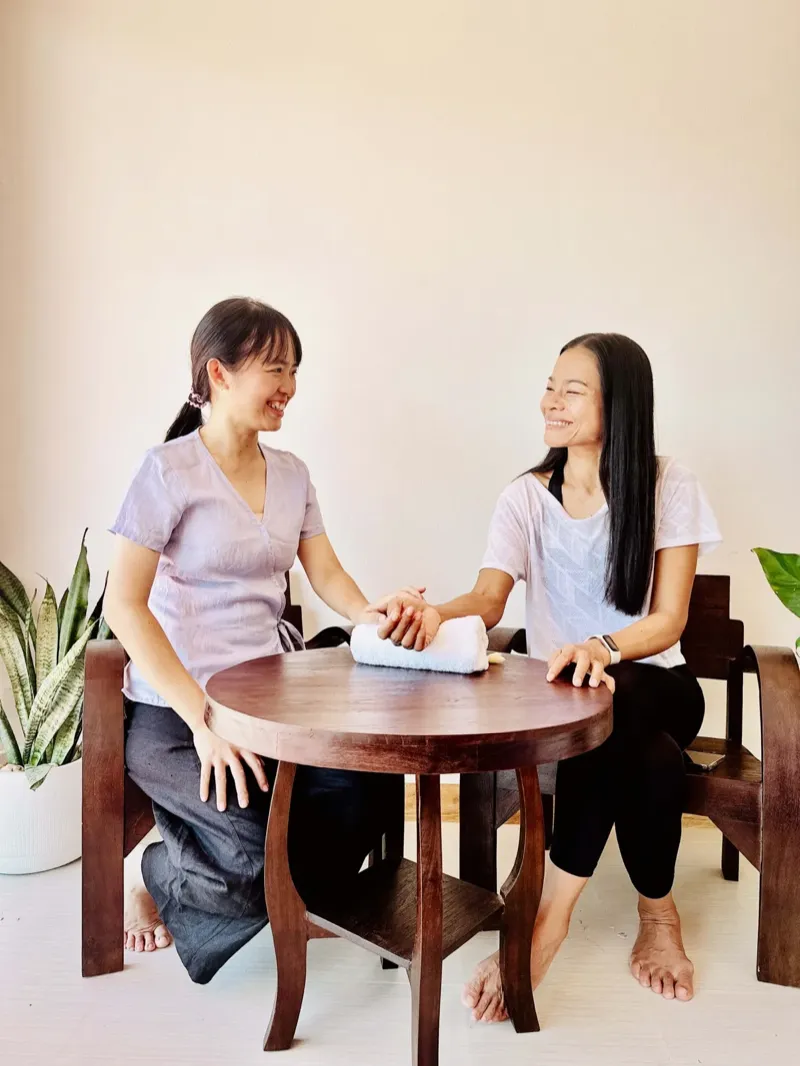
At Piraluna in Lamai, Claire sees patients who have grown wary of their own balance, the ones who pause before standing up quickly or feel the room tilt when they turn their head. Dizziness can be unsettling and isolating, and many people are relieved simply to be taken seriously and offered a calm, considered approach.
Understanding Vertigo and Dizziness
Dizziness is a broad word that covers several different experiences. Some people feel the world spin around them, a true vertigo. Others feel lightheaded, unsteady, or as if they might faint. The causes are just as varied, which is why a careful medical assessment matters before anything else.
A common cause of true vertigo is benign paroxysmal positional vertigo, often shortened to BPPV, where tiny crystals in the inner ear shift out of place and trigger brief, intense spinning with certain head movements. Another inner ear condition, Meniere's disease, can bring episodes of vertigo alongside ringing in the ears and a feeling of fullness. There are also simpler triggers, such as dehydration, low blood pressure, anxiety, tension in the neck, or the disorientation that follows long travel and disrupted sleep.
Because the list is long and some causes need specific medical care, we always encourage patients to see a doctor for a proper diagnosis. Acupuncture sits alongside that care rather than replacing it, and Claire will be honest about when something falls outside what TCM can responsibly support.
How TCM Understands Dizziness
In Traditional Chinese Medicine, dizziness is one of the oldest recorded complaints, and it is understood through several distinct patterns rather than as a single problem. Claire, who trained at Chengdu University of Traditional Chinese Medicine, looks at the whole picture, examining your pulse and tongue and asking detailed questions about how and when the dizziness appears.
One common pattern is described as wind and phlegm clouding the head, which tends to produce a heavy, foggy dizziness with a sense of fullness and sometimes nausea. Another is a deficiency pattern, where the body lacks the qi and blood to nourish the head, producing a lightheaded, faint feeling that worsens with tiredness or after standing. A third involves the liver, where stress and rising energy create a spinning sensation that comes with tension and irritability, often overlapping with the same patterns behind tension headaches and migraines.
Identifying which pattern is driving your symptoms is what allows the treatment to be tailored. Two people who both describe dizziness may receive very different acupuncture protocols because the underlying picture is different. This careful matching is one of the things that sets a TCM approach apart from a one size fits all remedy.
How Acupuncture May Help
Acupuncture for dizziness works on several levels at once.
- It calms the nervous system. Many episodes of dizziness are made worse by anxiety and a body stuck in alert mode, and acupuncture helps shift it toward rest and recovery.
- It improves circulation. By supporting healthy blood flow to the head, acupuncture may ease the lightheaded, faint feeling that comes with deficiency patterns.
- It eases neck tension. Tightness in the neck and the base of the skull can feed unsteadiness, and releasing it often helps the head feel clearer.
- It restores balance in the channels. In TCM terms, the needles address the wind, phlegm, or deficiency that disturbs the head, helping settle the underlying pattern.
Claire treats both local points around the head and neck and distal points further along the meridians, including classic points on the hands, feet, and lower legs. Where it suits your pattern, she may add gentle warming techniques or work to release tension in the neck and shoulders. The combination is chosen for your body, and it adapts from session to session as your symptoms change.
What a Session at Piraluna Looks Like
Your first visit begins with a full consultation. Claire will ask what the dizziness feels like, what brings it on, how long episodes last, and whether you have any ear symptoms, nausea, or visual disturbance. She will check your pulse and tongue and identify the pattern behind your symptoms. If your description suggests a cause that needs medical investigation, she will say so plainly and encourage you to see a doctor.
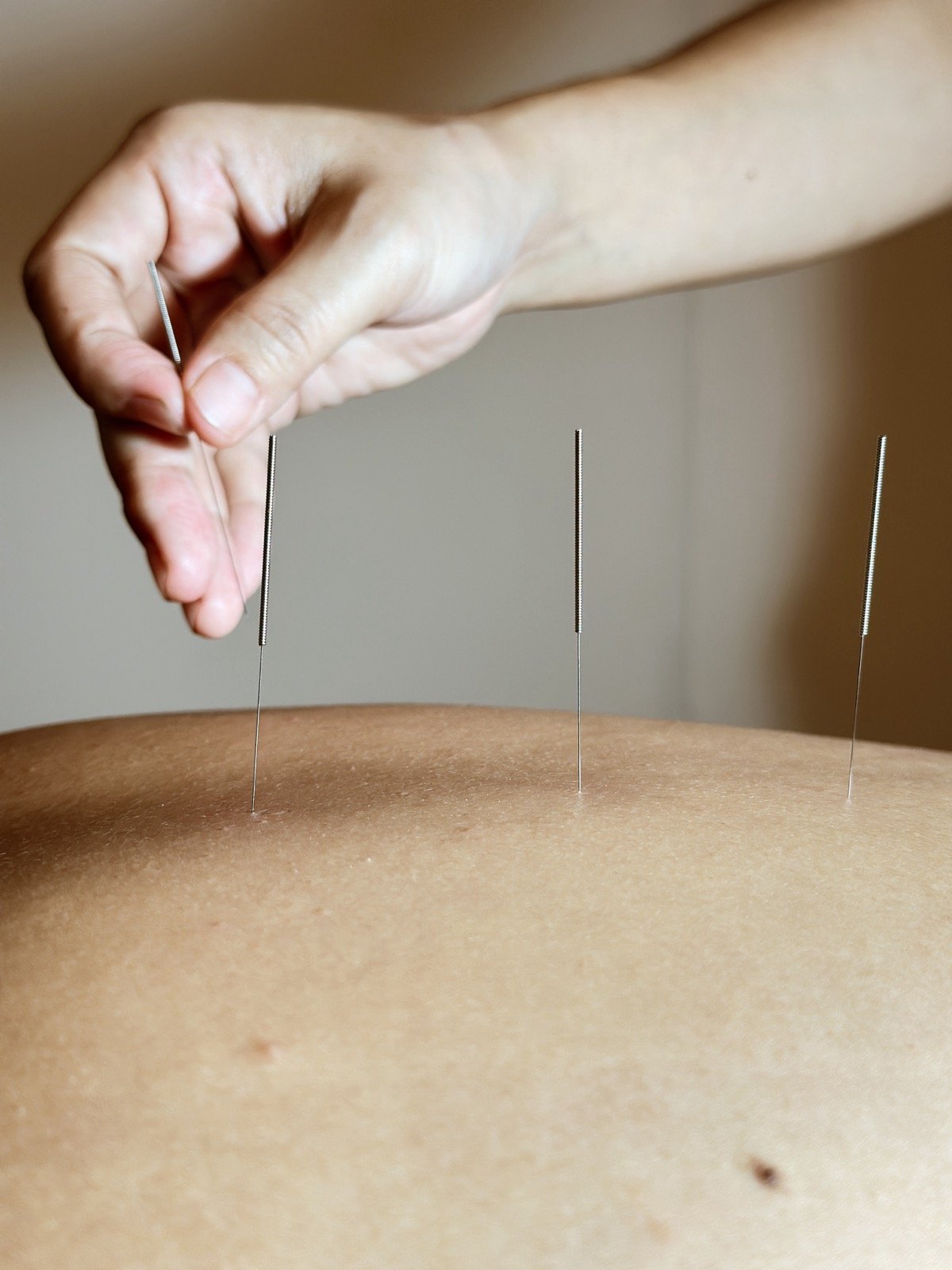
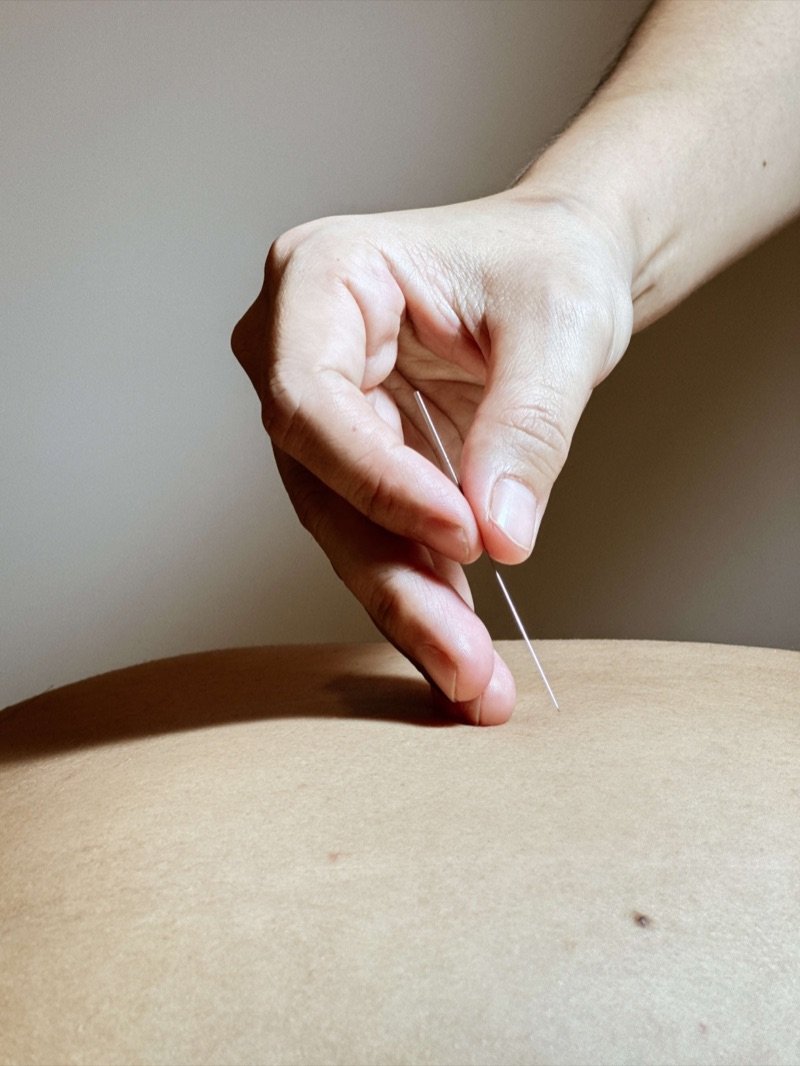
The treatment itself is calm and unhurried. The needles are very fine, and most patients feel only a small sensation as each one is placed. You rest comfortably while they do their work, often for twenty to thirty minutes. If you are new to acupuncture, our guide on what to expect during a first acupuncture session walks you through the whole experience.
How many sessions help varies a great deal from person to person and depends on what is driving the dizziness. Some people notice a steadier, clearer feeling within a few visits, while recurring or long standing patterns usually call for a longer course. Claire will be honest with you about what she is seeing and whether treatment is helping.
Supporting Your Balance Between Sessions
A few simple habits can support your steadiness day to day:
- Stand up slowly, especially first thing in the morning, to give your circulation time to adjust.
- Keep well hydrated, since dehydration is a common and easily missed trigger.
- Protect your sleep, as tiredness tends to make every kind of dizziness worse.
- Move the neck gently each day to ease the tension that can feed unsteadiness.
A Calmer, Steadier Path Forward
Living with dizziness can chip away at your confidence in your own body. With a proper diagnosis in hand, acupuncture offers a gentle, drug free way to support your recovery and address the patterns TCM associates with balance. Many patients find it a reassuring part of getting back to feeling like themselves.
You can learn more on our acupuncture services page or browse the full range of conditions we treat. When you are ready, book a session at Piraluna and let Claire build a thoughtful treatment plan around you.