Ваш кишечник пытается вам что-то сказать
Вы пробовали элиминационные диеты. Вы принимали пробиотики. Возможно, вам делали колоноскопию, которая показала норму. Вам говорили, что это «просто СРК», и выдавали рецепт на что-то, что справляется с симптомами, но никогда их не устраняет. Если это звучит знакомо, вы не одиноки, и есть другой путь вперёд.
Традиционная китайская медицина лечит расстройства пищеварения уже более двух тысяч лет, с изощрённостью, которую современная гастроэнтерология только начинает ценить. Там, где конвенциональная медицина часто испытывает трудности с функциональными расстройствами пищеварения, такими как СРК, потому что нет видимого структурного повреждения, которое можно лечить, ТКМ преуспевает именно потому, что была создана для выявления и коррекции функциональных дисбалансов до того, как они станут структурной болезнью.
Акупунктура для здоровья пищеварения — одно из наиболее обоснованных применений ТКМ, подкреплённое растущим объёмом клинических исследований и тысячами лет клинических наблюдений.
Как ТКМ понимает пищеварение
В ТКМ пищеварение управляется прежде всего двумя системами органов: Селезёнкой и Желудком. Эти термины в ТКМ обозначают функциональные системы, которые пересекаются со своими западными анатомическими аналогами, но шире их.
Селезёнка — центральный орган пищеварения в ТКМ. Её роль — преобразовывать еду и питьё в пригодную к использованию ци (энергию) и кровь и транспортировать эти вещества по всему телу. Селезёнка любит тепло, регулярность и умеренность. Её ослабляют холодная сырая пища, нерегулярные приёмы пищи, чрезмерное беспокойство и умственное перенапряжение, сырая среда и хроническая переработка. Когда специалисты ТКМ говорят, что Селезёнка «недостаточна», они имеют в виду, что пищеварительная система утратила способность эффективно перерабатывать пищу и извлекать из неё питание.
Желудок принимает пищу и начинает процесс «сгнивания и созревания», что в ТКМ описывает расщепление пищи. Желудок любит влагу и не любит сухость. Его ци естественно опускается, отправляя переработанную пищу вниз по пищеварительному тракту. Когда ци Желудка бунтует и поднимается вверх вместо того, чтобы опускаться, результатом становятся тошнота, кислотный рефлюкс, отрыжка и рвота.
Печень играет критически важную поддерживающую роль. В ТКМ Печень обеспечивает плавный поток ци по всему телу, в том числе через пищеварительную систему. Когда ци Печени застаивается — обычно от стресса, фрустрации или подавленных эмоций, — она может вторгаться в Селезёнку и Желудок, нарушая их функцию. Этот паттерн, называемый «Печень перевозбуждает Селезёнку», — это объяснение ТКМ, почему ваше пищеварение разваливается, когда вы в стрессе. Это также самый распространённый паттерн, стоящий за СРК.
Паттерны ТКМ за проблемами пищеварения
Вместо того чтобы ставить каждому пациенту со вздутием или нерегулярным стулом один и тот же диагноз, ТКМ выделяет конкретные паттерны. Ваш паттерн определяет ваше лечение.
Недостаточность ци Селезёнки — самый фундаментальный паттерн пищеварения. Симптомы включают вздутие после еды, утомляемость (особенно после приёма пищи), жидкий стул или непереваренную пищу в стуле, плохой аппетит, чувство тяжести в конечностях и бледный отёчный язык. Этот паттерн развивается из-за хронически плохих привычек питания, чрезмерного потребления холодной и сырой пищи, беспокойства и умственного перенапряжения и длительной болезни. Он крайне распространён у путешественников и экспатов, чьё пищеварение испытывало стресс от постоянных изменений рациона и тропического климата.
Недостаточность ян Селезёнки — более глубокая версия недостаточности ци Селезёнки с добавлением холода. Помимо перечисленных выше симптомов, присутствуют ощущение холода в животе, предпочтение тёплой еды и питья, водянистая диарея (особенно по утрам) и холодные конечности. Этот паттерн часто развивается, когда недостаточность ци Селезёнки остаётся без лечения или когда есть чрезмерное воздействие холода — от климата, холодных напитков или слишком большого количества сырой пищи.
Застой ци Печени, вторгающийся в Селезёнку, — классический паттерн СРК. Характерная картина — симптомы пищеварения, которые колеблются вместе со стрессом и эмоциями. Симптомы включают чередование запора и диареи, боль в животе, облегчающуюся после дефекации, вздутие и распирание, которые перемещаются по животу, раздражительность и чувство стеснения в груди или рёбрах. Пациенты с этим паттерном часто замечают, что их пищеварение в порядке, когда они расслаблены и в отпуске, но разваливается в стрессовые периоды. Диагноз СРК «смешанного типа» или «СРК с чередованием» тесно соответствует этому паттерну ТКМ.
Влажный жар в Желудке и Кишечнике даёт более острые симптомы: неотложную диарею, жжение при дефекации, зловонный стул, спазмы в животе, возможную слизь или кровь в стуле, жажду без желания пить и плотный жёлтый налёт на языке. Этот паттерн может развиться из-за чрезмерного потребления жирной, острой или обработанной пищи, алкоголя или из-за бактериальных и паразитарных инфекций, которые не редкость в тропических условиях.
Застой пищи возникает, когда пищеварительная способность Желудка перегружена. Симптомы включают чувство сытости, которое не проходит, отрыжку с кислым или гнилостным привкусом, тошноту, отвращение к пище и распирание, которое усиливается при надавливании. Это паттерн, стоящий за «пищевой комой», доведённой до крайности, и он часто накладывается на другие паттерны в хронических случаях.
Недостаточность инь Желудка даёт иной набор симптомов: сухость во рту и горле, голод без желания есть, жжение в желудке, сухой стул и красный язык с малым налётом или без него. Этот паттерн может развиться из-за хронического жара Желудка, длительного приёма антибиотиков или обезвоживающего действия алкоголя и кофеина.
Как акупунктура лечит расстройства пищеварения
Механизмы, через которые акупунктура воздействует на пищеварительную систему, хорошо задокументированы.
Регуляция моторики желудка. Было показано, что акупунктура регулирует моторику желудка и кишечника, замедляя её, когда она слишком быстрая (диарея), и ускоряя, когда она слишком медленная (запор). Этот двунаправленный регуляторный эффект уникален для акупунктуры и объясняет, почему один и тот же подход к лечению может помочь и при СРК с запором, и при СРК с диареей.
Снижение висцеральной гиперчувствительности. Один из отличительных признаков СРК — висцеральная гиперчувствительность, когда кишечник сверхреагирует на нормальные стимулы, такие как газы или лёгкое распирание. Было показано, что акупунктура снижает эту гиперчувствительность, модулируя обработку боли в спинном и головном мозге, эффективно перекалибровывая порог чувствительности кишечника.
Активация блуждающего нерва. Акупунктура стимулирует блуждающий нерв, который управляет парасимпатическим состоянием «отдыха и пищеварения». Это способствует пищеварительной секреции, улучшает кровоток в кишечнике и снижает воспалительное состояние, характеризующее многие расстройства пищеварения. Ось «кишечник-мозг» — двунаправленная система связи между кишечником и мозгом — всё чаще признаётся центральной для СРК, и акупунктура напрямую модулирует эту ось.
Воспаление и иммунная модуляция. Акупунктура снижает воспаление в кишечнике, модулируя воспалительные цитокины и регулируя активность иммунных клеток в слизистой кишечника. При состояниях, связанных с воспалением кишечника, этот механизм поддерживает заживление слизистой и снижает сверхактивную иммунную реакцию, которая поддерживает симптомы.
Регуляция реакции на стресс. Снижая уровень кортизола и сдвигая вегетативную нервную систему к парасимпатическому доминированию, акупунктура воздействует на компонент стресса, который движет симптомами СРК у столь многих пациентов. Это физиологическая основа концепции ТКМ «Печень вторгается в Селезёнку».
Что показывают исследования
Знаковый метаанализ, опубликованный в журнале World Journal of Gastroenterology в 2020 году, проанализировавший 41 рандомизированное контролируемое исследование с более чем 3400 участников, заключил, что акупунктура эффективна при СРК. Анализ показал, что акупунктура значительно улучшала общие симптомы СРК, боль в животе, вздутие и консистенцию стула по сравнению с фармакологическим лечением.
Исследование, опубликованное в American Journal of Gastroenterology, продемонстрировало, что акупунктура улучшала симптомы у пациентов с СРК, которые не отвечали на конвенциональное лечение, причём польза сохранялась не менее трёх месяцев после окончания лечения.
Исследование в журнале Neurogastroenterology and Motility использовало функциональную МРТ, чтобы показать, что акупунктура нормализует сигнализацию «мозг-кишечник» у пациентов с СРК, снижая гиперактивацию областей мозга, участвующих в обработке боли и висцеральных ощущений.
Всемирная организация здравоохранения перечисляет расстройства пищеварения, включая СРК, гастрит, тошноту и функциональную диспепсию, среди состояний, при которых акупунктура имеет доказанный терапевтический эффект.
Как проходит лечение в Piraluna
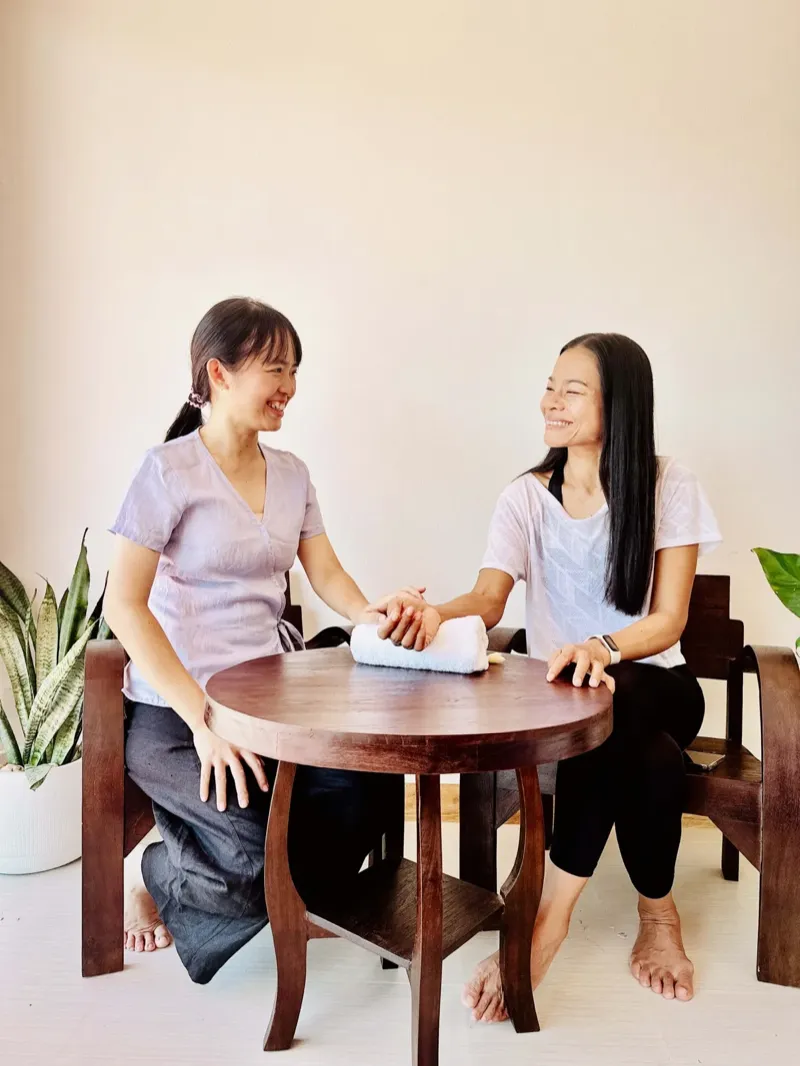
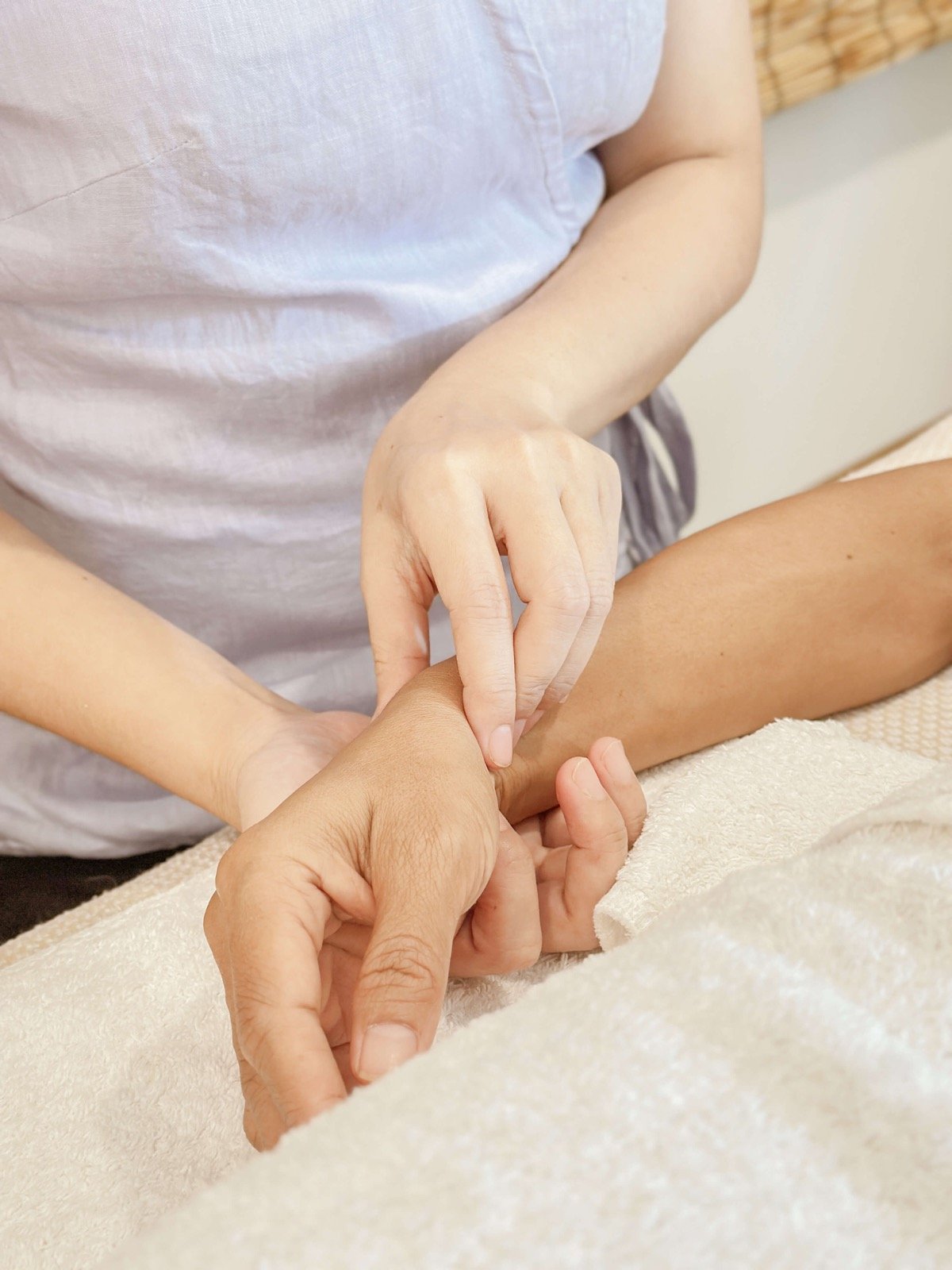
Когда вы приходите в Piraluna с проблемами пищеварения, Claire начинает с подробной оценки, которая охватывает гораздо больше, чем симптомы кишечника. Она расспросит о ваших паттернах стула (частота, консистенция, неотложность, запах), вашем аппетите и предпочтениях в еде, о связи между стрессом и симптомами, о вашем уровне энергии, о качестве сна и эмоциональном состоянии. Диагностика по пульсу и языку особенно информативна при расстройствах пищеварения, поскольку налёт на языке напрямую отражает состояние пищеварительной системы.
На основе вашего паттерна Claire подберёт акупунктурные точки, которые воздействуют и на корневую причину, и на симптомы. При недостаточности ци Селезёнки ключевые точки на животе и ногах тонизируют пищеварительную функцию. При Печени, вторгающейся в Селезёнку, точки, которые сглаживают ци Печени, сочетаются с укрепляющими Селезёнку точками. При влажном жаре акцент делается на точках, которые очищают жар и дренируют сырость.
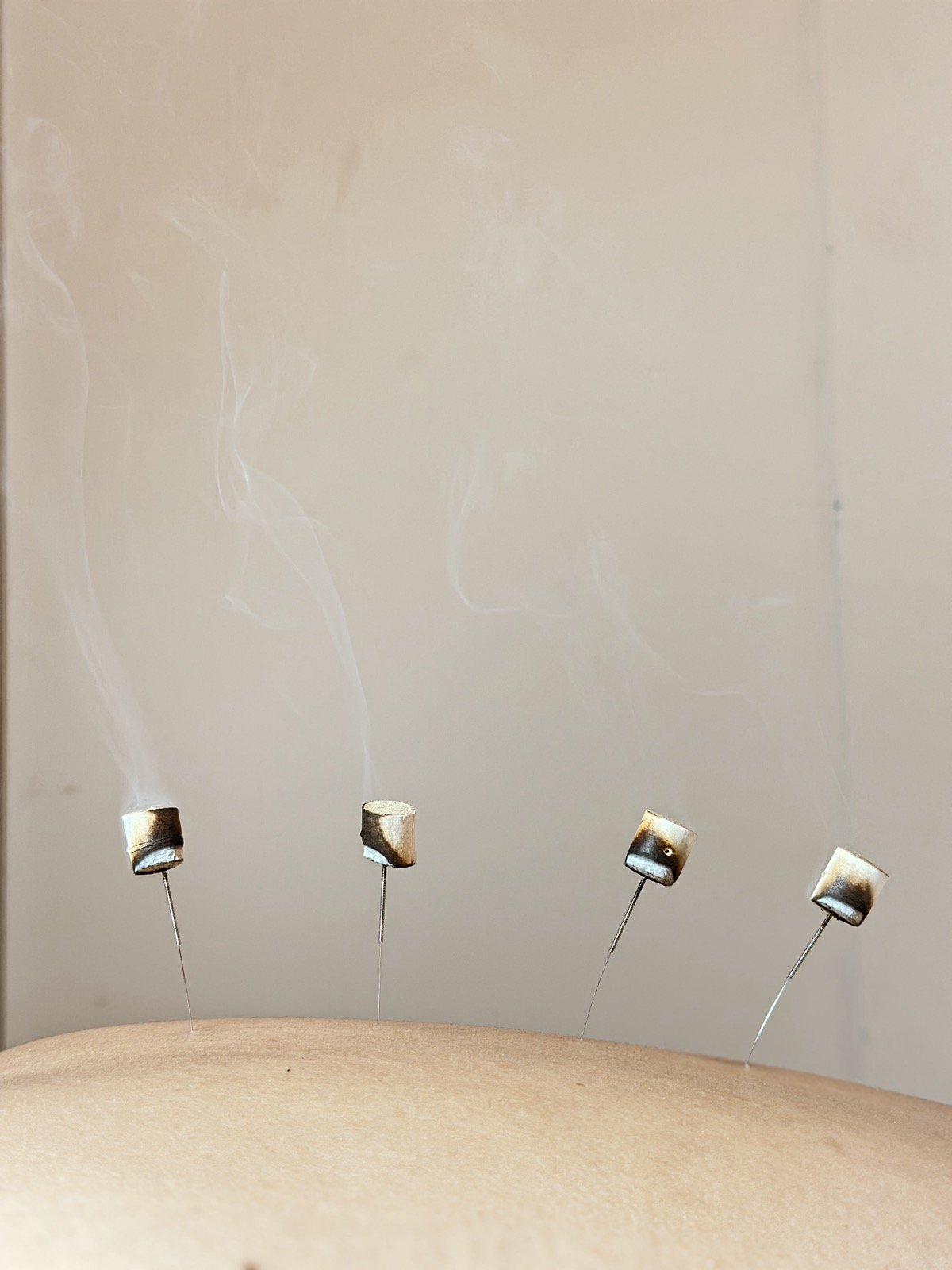
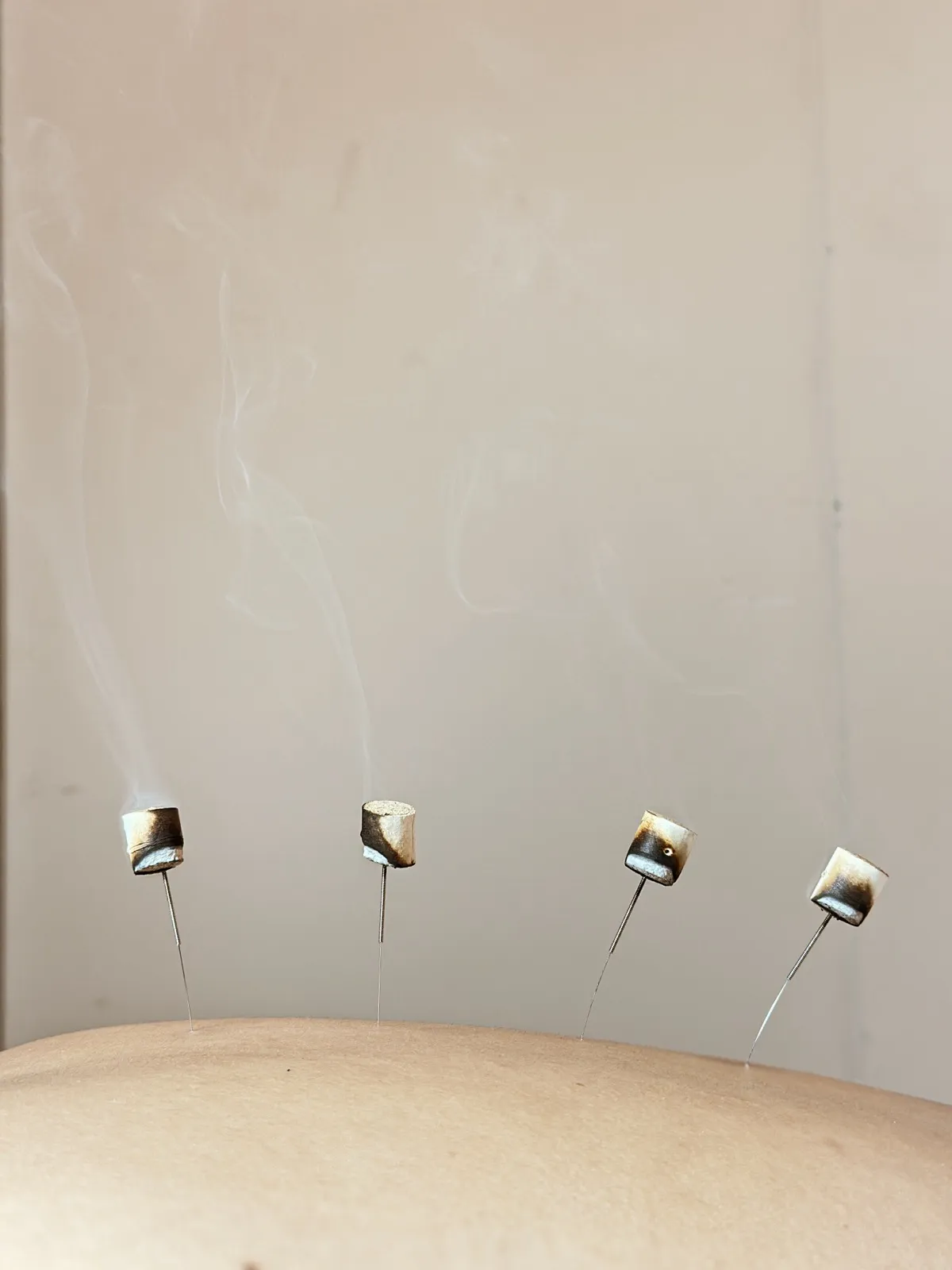
Лечение может также включать моксотерапию, которая особенно эффективна при холодных и недостаточных паттернах пищеварения. Мягкое тепло моксы, приложенной к точкам на животе, напрямую укрепляет ян Селезёнки и улучшает пищеварительный огонь.
При проблемах пищеварения Claire обычно рекомендует еженедельные сеансы в течение начального курса из шести-восьми недель. Многие пациенты замечают улучшение вздутия и комфорта в течение первых двух-трёх сеансов, а паттерны стула нормализуются в течение более длительного времени. Хронический СРК, который сохраняется годами, может потребовать трёх-четырёх месяцев регулярного лечения для достижения стабильного улучшения.
Диетические рекомендации от ТКМ
То, что вы едите, имеет огромное значение, но диетические советы ТКМ часто отличаются от западного нутрициологического мышления.
Тёплая, приготовленная пища. Селезёнка работает как кастрюля, которой нужно тепло для эффективного переваривания. Холодная сырая пища требует дополнительной энергии, чтобы «прогреться» перед тем, как её можно будет переработать. Это не значит, что вам никогда нельзя есть салат, но если ваше пищеварение слабое, акцент на тёплой приготовленной пище даёт вашей Селезёнке поддержку, необходимую для восстановления.
Регулярные приёмы пищи. Селезёнка процветает на регулярности. Приём пищи примерно в одно и то же время каждый день тренирует пищеварительную систему готовить ферменты и жёлчь в нужное время. Пропуск приёмов пищи, поздние ужины и постоянные перекусы со временем ослабляют пищеварительную функцию.
Сократите продукты, образующие сырость. В ТКМ сырость — один из главных врагов Селезёнки. Продукты, способствующие сырости, включают молочные продукты, сахар, рафинированную муку, жирную жареную пищу, чрезмерное количество тропических фруктов и алкоголь. Если у вас есть признаки сырости (тяжёлые конечности, туманная голова, липкий стул, плотный налёт на языке), сокращение этих продуктов ускоряет восстановление.
Тщательно пережёвывайте. Это звучит элементарно, но это важно. Тщательное пережёвывание начинает пищеварительный процесс во рту и значительно снижает нагрузку на Желудок и Селезёнку. Приём пищи медленно и осознанно, без экранов и отвлечений, позволяет активироваться парасимпатической нервной системе и поддержать пищеварение.
Имбирный чай. Простой ломтик свежего имбиря в горячей воде, выпитый перед едой или во время неё, согревает Желудок, способствует пищеварительной секреции и уменьшает тошноту и вздутие. Это одно из самых простых и эффективных диетических вмешательств ТКМ при слабом пищеварении.
Связь «кишечник-мозг»
Современная наука и ТКМ сходятся в чём-то фундаментальном: кишечник и мозг неразделимы. Энтеральная нервная система, которую иногда называют «вторым мозгом», содержит более 100 миллионов нейронов и производит 90 процентов серотонина организма. Хроническая дисфункция пищеварения не просто вызывает физический дискомфорт — она влияет на настроение, познание и эмоциональную устойчивость.
Именно поэтому ТКМ всегда лечит пищеварение и эмоциональное здоровье вместе. Если вам говорили, что ваш СРК — «всё в вашей голове», ТКМ предлагает более точную перспективу: это в вашем кишечнике И в вашей голове, потому что эти системы находятся в постоянном общении. Лечение, которое воздействует на обе, даёт результаты, которых лечение любой из них по отдельности не может достичь.
Верните себе пищеварение
Жить с непредсказуемым пищеварением, планировать свою жизнь вокруг доступа к туалету, избегать совместных приёмов пищи и чувствовать вздутие и дискомфорт большую часть времени — это изматывает. Это не обязано быть вашей нормой.
Если вы на Самуи и боретесь с СРК, хроническим вздутием, нерегулярным стулом или любой проблемой пищеварения, которую конвенциональная медицина не разрешила, запишитесь на сеанс в Piraluna. Claire определит конкретный паттерн ТКМ, движущий вашими симптомами, и составит план лечения, который воздействует на корневую причину, а не только на поверхностные симптомы. Ваш кишечник пытался вам что-то сказать. ТКМ знает, как слушать.
Может ли акупунктура помочь при СРК?
Да. Метаанализ 41 рандомизированного контролируемого исследования с более чем 3400 участников подтвердил, что акупунктура эффективна при СРК, значительно улучшая общие симптомы, боль в животе, вздутие и консистенцию стула. Акупунктура работает, регулируя моторику кишечника, снижая висцеральную гиперчувствительность, модулируя ось «кишечник-мозг» и воздействуя на реакцию на стресс, которая движет симптомами СРК. Она эффективна при всех подтипах СРК, включая СРК с запором, СРК с диареей и СРК смешанного типа.
Как быстро акупунктура работает при проблемах пищеварения?
Многие пациенты замечают улучшение вздутия и комфорта в животе в течение первых двух-трёх сеансов. Нормализация паттернов стула обычно занимает больше времени, часто четыре-шесть недель регулярного лечения. Хронический СРК, который сохраняется годами, может потребовать трёх-четырёх месяцев еженедельных сеансов для достижения стабильного улучшения. Сроки зависят от тяжести и продолжительности состояния и глубинного паттерна ТКМ.
Что мне есть при слабом пищеварении согласно ТКМ?
ТКМ рекомендует тёплую, приготовленную, легко усваиваемую пищу, когда пищеварение слабое. Отдавайте предпочтение супам, рагу, приготовленным крупам, приготовленным на пару овощам и небольшому количеству хорошо приготовленного белка. Сократите холодную сырую пищу, молочные продукты, сахар, жирную пищу и чрезмерное количество тропических фруктов. Ешьте в регулярное время, тщательно пережёвывайте и пейте тёплые жидкости вместо ледяных напитков. Чай из свежего имбиря перед едой — один из самых простых способов поддержать пищеварительную функцию.
Вызывается ли СРК стрессом?
Стресс — один из самых значимых триггеров СРК, но связь двунаправленная. Стресс нарушает работу кишечника через ось «кишечник-мозг», а дисфункциональный кишечник отправляет сигналы дистресса обратно в мозг. В терминах ТКМ это описывается как застой ци Печени, вторгающийся в Селезёнку. Эффективное лечение воздействует и на реакцию на стресс, и на слабость пищеварения одновременно, поэтому акупунктура особенно эффективна — она регулирует и нервную систему, и пищеварительную систему в рамках одного лечения.